
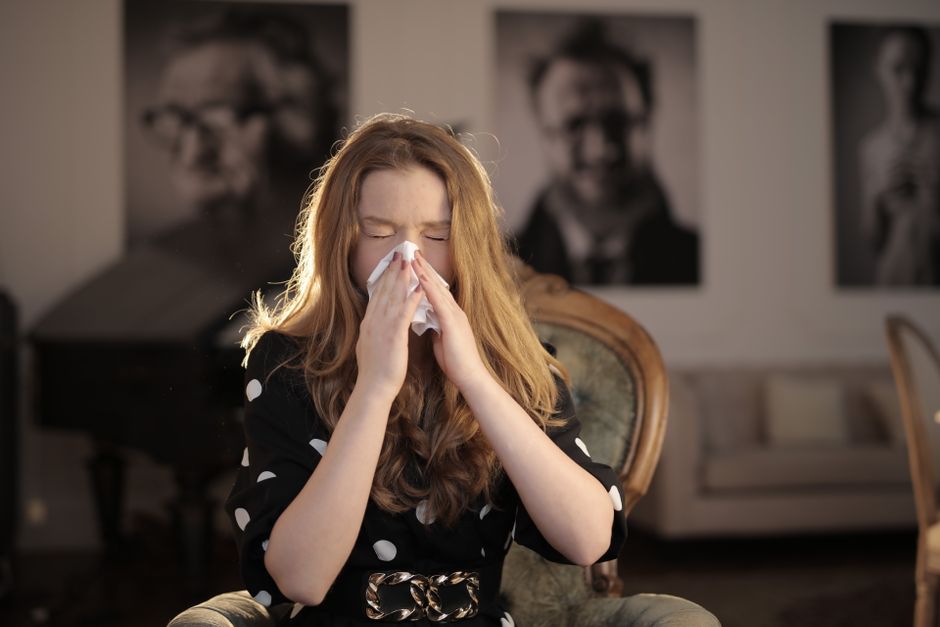
When you sneeze, your body releases a powerful burst of air at speeds up to 100 miles per hour. This sudden force puts pressure on your chest, abdomen, and back. For most people, that pressure passes without pain. But if you feel a sharp or dull ache when you sneeze, something else is going on. The pain is not from the sneeze itself. It is a signal that a part of your body is already irritated or strained.
What Exactly Happens in Your Body When You Sneeze?
A sneeze is a reflex. Your brain detects an irritant in your nose and sends a signal to your muscles to force it out. Your diaphragm, chest muscles, and abdominal muscles all contract at once. Your vocal cords close briefly, then open. Air blasts out through your nose and mouth.
This whole process takes less than a second. But during that split second, pressure inside your chest and abdomen spikes dramatically. Your spine and rib cage absorb some of that force. If any of those structures are inflamed or injured, the sneeze acts like a stress test. It reveals the weakness.
Research published in the journal Spine has shown that sneezing increases intradiscal pressure in the spine by up to 300 percent. That is a massive jump. For someone with a healthy back, it is no problem. For someone with a herniated disc or muscle strain, it can trigger immediate pain.
Why Does It Hurt When I Sneeze in My Lower Back?
Lower back pain during a sneeze is one of the most common complaints. The reason is mechanical. Your lower back bears most of the load when your core muscles tighten. If you have a strained muscle, a bulging disc, or arthritis in your lumbar spine, the sudden contraction can aggravate it.
One specific condition to know about is a herniated disc. The discs between your vertebrae act like cushions. When a disc bulges or ruptures, it can press on a nearby nerve. Sneezing increases pressure inside the disc. That extra pressure can push the disc further into the nerve root, causing sharp pain. The pain may shoot down your leg. That is called sciatica.
Another possibility is muscle strain. If you have pulled a muscle in your lower back from lifting, twisting, or even sleeping wrong, the sneeze contracts that same muscle. The result is a sudden, stabbing ache. The pain usually fades within seconds but can leave you sore for hours.
Can Sneezing Hurt Your Ribs or Chest?
Yes. Chest pain during a sneeze often points to the ribs or the cartilage connecting them to your breastbone. The condition is called costochondritis. It is inflammation of the cartilage where your ribs attach to your sternum. Sneezing, coughing, or even taking a deep breath can make it hurt.
Research from the American Academy of Family Physicians notes that costochondritis is common and usually harmless. It often follows a respiratory infection, heavy lifting, or repetitive coughing. The pain is typically sharp and localized. You can press on the spot and feel tenderness.
A less common cause is a rib fracture. If you have recently fallen, been in a car accident, or even coughed violently for weeks, you might have a cracked rib. Sneezing puts direct pressure on the rib cage. That pressure bends the bone. If it is already cracked, the sneeze can cause severe pain.
Rarely, chest pain during a sneeze can signal something more serious. If the pain is crushing, radiates to your arm or jaw, or comes with shortness of breath, seek emergency care. Do not assume it is just a muscle pull.




What Other Conditions Can Cause Sneezing Pain?
Several other conditions can make sneezing painful. Here is a quick comparison of common causes and their typical features:
| Condition | Location of Pain | Key Features |
|---|---|---|
| Herniated disc | Lower back, may shoot down leg | Sharp, electric, worsens with sneezing or coughing |
| Muscle strain | Lower back or mid-back | Dull ache, tender to touch, improves with rest |
| Costochondritis | Chest, near breastbone | Sharp, press tender, worsens with deep breath |
| Rib fracture | Rib area, one side | Sharp, worsens with any torso movement |
| Pleurisy | Chest, side of ribs | Sharp, worsens with breathing, often with fever |
| Kidney stone | Flank or lower back | Deep ache, may radiate to groin, blood in urine |
Pleurisy is inflammation of the lining around your lungs. Sneezing stretches that lining. If it is inflamed, the stretch causes sharp pain. Pleurisy often follows pneumonia or a viral infection. It usually resolves on its own but can require treatment if caused by bacteria.
Kidney stones can also cause back pain that sneezing aggravates. The stone itself does not move with a sneeze. But the sudden pressure shift can make the existing pain feel worse. If you have flank pain, fever, or blood in your urine, see a doctor.
When Should You Worry About Sneezing Pain?
Most sneezing pain is not dangerous. It is a sign of a temporary strain or minor inflammation. But there are clear red flags. If you experience any of the following, seek medical attention promptly:
- Pain that radiates down your leg or arm
- Numbness or weakness in a limb
- Loss of bladder or bowel control
- Fever along with chest or back pain
- Crushing chest pain that spreads to your jaw or shoulder
- Pain that does not go away after the sneeze ends
Loss of bladder or bowel control combined with back pain is a medical emergency. It can signal cauda equina syndrome, a condition where nerves at the base of the spine are compressed. This requires immediate surgery to prevent permanent damage. It is rare, but it is real.
If your sneezing pain is mild and goes away within seconds, it is likely a muscle or joint issue. Try over-the-counter anti-inflammatories like ibuprofen, gentle stretching, and heat or ice. If it lasts more than a few days, see a doctor for a proper diagnosis.
Common Misconceptions About Sneezing Pain
One widespread myth is that sneezing pain always means a herniated disc. That is not true. Muscle strains, ligament sprains, and arthritis are far more common. A herniated disc is possible, but it is not the first thing to assume.
Another myth is that you can “pop” something back into place by sneezing. This is not how the body works. Sneezing does not realign discs or joints. If anything, it can make a misalignment worse. Do not try to force a sneeze for relief.
Some people believe that holding in a sneeze prevents pain. This is dangerous. Holding a sneeze by pinching your nose or closing your mouth can rupture blood vessels in your eyes or throat. It can also damage your eardrums. Let the sneeze out. It is safer.
Finally, there is no evidence that sneezing pain is linked to “weak core muscles” in the way fitness influencers claim. Core strength helps with posture and back health. But sneezing pain is usually about an acute injury or inflammation, not a lack of muscle tone.
Frequently Asked Questions
Why does my back hurt when I sneeze?
Most likely because a muscle, ligament, or spinal disc is already irritated. The sneeze increases pressure in your back and triggers pain at that weak spot.
Can sneezing cause a pulled muscle?
Yes. The sudden contraction of your abdominal and back muscles can strain a muscle, especially if it is already tight or fatigued.
Is it normal to feel pain in my chest when I sneeze?
It can be normal if you have costochondritis or a rib injury. But if the pain is crushing or spreads to your arm, seek emergency care.
Should I see a doctor for sneezing pain?
See a doctor if the pain is severe, lasts more than a few days, or comes with numbness, weakness, or fever.
