
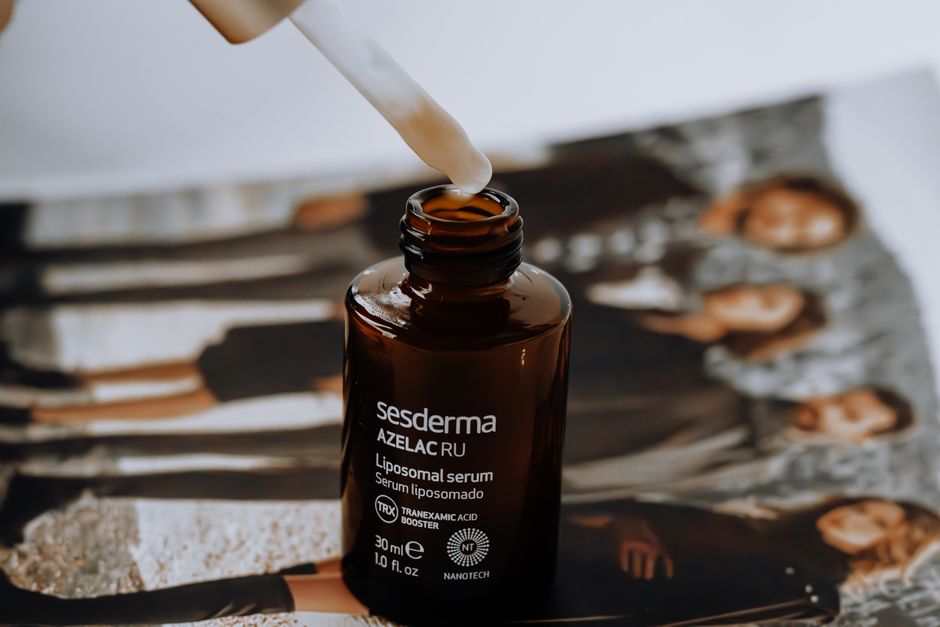
Hyaluronic acid burns or stings your skin for a few common reasons. The most frequent is a disrupted skin barrier that lets the ingredient penetrate deeper than usual. Other causes include high product concentration, a low pH formulation, an allergic reaction to another ingredient in the product, or applying it to skin that is already irritated. The burning is not a normal sign that the product is “working.”
Hyaluronic acid is a sugar molecule your body makes naturally. It holds water, and it is found in your skin, eyes, and connective tissue. When a serum burns, the problem is almost always the product, your skin’s condition, or both. It is rarely the hyaluronic acid molecule itself.
Why Does Hyaluronic Acid Burn My Skin Causes?
The burning comes from a breakdown in your skin’s outer barrier or from something in the formula that your skin does not tolerate. Hyaluronic acid is a large, water-loving molecule. In healthy skin it sits on the surface and holds moisture. In compromised skin, the barrier is thinner and more permeable, so ingredients that normally stay on top can reach nerve endings below.
A damaged barrier is the single most common reason. Your stratum corneum, the outermost layer, works as a brick-and-mortar wall. When it is stripped by over-washing, harsh acids, retinoids, or cold dry weather, the “mortar” between cells weakens. Water escapes faster, and outside substances get in more easily. A product that felt fine last month can sting once your barrier is compromised.
There is a detail many people miss. Hyaluronic acid is not one ingredient but a family of molecules of different sizes. High-molecular-weight versions are large and stay near the surface. Low-molecular-weight versions are smaller and can penetrate deeper into the skin. Some research suggests that smaller fragments can trigger mild irritation or immune signaling in certain people, though this is not firmly established and the evidence is limited. If a product burns and another does not, molecular size is one possible difference.
Other common causes include:
- A high concentration of hyaluronic acid, which can draw water out of the skin in dry conditions rather than into it
- A low or high product pH that irritates sensitive skin
- Preservatives, fragrance, or alcohol in the formula rather than the hyaluronic acid itself
- A true allergic reaction to a non-hyaluronic ingredient
- Applying to damp, freshly cleansed skin that is already reactive
Is a Burning Sensation Normal When Using Hyaluronic Acid?
No. A mild, brief tingle that fades within seconds is common with many skincare products. A burning sensation that lasts, worsens, or comes with redness is not normal and should not be pushed through.
Some marketing language tells people that stinging means a product is “active” or “penetrating.” That framing is not supported by evidence. Discomfort is a signal, not a benefit. If your skin burns, the sensible response is to stop using the product and let your skin settle.
There is a real difference between a temporary tingle and true irritation. A tingle is fleeting and leaves no mark. Irritation builds, causes visible redness, and may lead to dryness, flaking, or a rash. If you see any of those signs, treat it as irritation rather than a normal adjustment period.
How Do I Know if My Skin Barrier Is Damaged?
Signs of a compromised barrier include stinging when you apply products that once felt fine, persistent dryness, redness, tightness after washing, and increased sensitivity to heat or wind. Your skin may also feel rough or look dull.
The barrier is a lipid-rich wall. Ceramides, cholesterol, and fatty acids make up much of the “mortar” that holds skin cells together. When these are depleted, water loss rises and irritants get in. Several things deplete them: over-cleansing with strong soaps, frequent exfoliation, high-strength retinoids, and cold or low-humidity weather.
If your barrier is damaged, the fix is not another active ingredient. It is gentler cleansing, fewer products, and time. Some clinicians recommend barrier-repair moisturizers that contain ceramides and similar lipids, though the evidence that any specific formula restores the barrier faster than plain moisturizing is limited. What is well established is that reducing irritation and giving skin time to recover matters more than adding new treatments.
Is It the Hyaluronic Acid or Another Ingredient?
It is often another ingredient. Hyaluronic acid itself is generally well tolerated, and true allergy to it is uncommon. The reaction is more often to preservatives, fragrance, alcohol, or acids that share the bottle.
To find the cause, look at the full ingredient list, not just the headline ingredient. Common culprits in hydrating serums include fragrance, certain preservatives, and added exfoliating acids. If a product with the same hyaluronic acid but a simpler formula feels fine, the issue was likely a supporting ingredient.
If you suspect a true allergy, a dermatologist can help identify it. Patch testing is the standard way to confirm which ingredient is responsible. Do not assume the hyaluronic acid is the problem without checking.
Does Hyaluronic Acid Dry Out Skin in Low Humidity?
It can. Hyaluronic acid works by holding water. In humid air, it can pull moisture from the environment. In very dry conditions, it may pull water from deeper layers of your skin toward the surface, where it evaporates. The result can be more dryness, not less.
This is why the way you apply it matters. Applying hyaluronic acid to slightly damp skin and sealing it with a moisturizer on top helps trap the water before it evaporates. In dry climates or heated indoor air, this step makes a real difference. Without a seal, the ingredient can work against you.
This drying effect is one reason some people report stinging that gets worse over time. The skin becomes drier and more reactive with each use. If your skin feels tight after applying, that is a clue the product is not being sealed in properly or does not suit your environment.
What Should I Do if Hyaluronic Acid Burns My Skin?
Stop using the product and let your skin recover before trying anything new. Rinse with lukewarm water if the burning is fresh. Avoid harsh cleansers, exfoliants, and other actives while your skin settles.
Once your skin feels calm, you can test the product again on a small area, or switch to a simpler formula. A product with fewer ingredients and a higher-molecular-weight hyaluronic acid may suit sensitive skin better, though this is a reasonable approach rather than a guaranteed fix.
Seek medical care if the burning is severe, spreads, causes swelling, or does not improve within a few days. A dermatologist can assess whether you have irritation, an allergy, or another skin condition that needs treatment.
Do not layer multiple new products at once while your skin is reactive. Adding more variables makes it harder to identify what caused the problem and can prolong irritation.
Can You Be Allergic to Hyaluronic Acid?
True allergy to hyaluronic acid is uncommon but has been reported. More often, reactions are irritation rather than allergy, or they involve another ingredient in the product.
Hyaluronic acid occurs naturally in your body, which makes a true immune reaction less likely than with foreign substances. That said, some forms used in skincare are modified or combined with other molecules, and reactions to those are possible. Injectable hyaluronic acid fillers carry their own separate risks, including delayed reactions, which are different from topical use.
If you have had a reaction and want to know the cause, a dermatologist can help. Self-diagnosing an allergy from a single bad experience is unreliable, because irritation and allergy can look similar.
Frequently Asked Questions
Why does hyaluronic acid sting my face?
The most common cause is a weakened skin barrier that lets the product penetrate deeper than usual. A high concentration, low pH, or another irritating ingredient in the formula can also be responsible.
Is it normal for hyaluronic acid to burn?
No. A brief mild tingle can happen, but burning that lasts or comes with redness is not normal. Stop using the product and let your skin recover.
Can hyaluronic acid make skin drier?
Yes, in very dry conditions it can pull water from deeper skin layers and let it evaporate. Applying it to damp skin and sealing it with a moisturizer helps prevent this.
How do I know if I’m allergic to hyaluronic acid?
Only a dermatologist can confirm a true allergy, usually through patch testing. Most reactions turn out to be irritation or a response to another ingredient in the product.
