
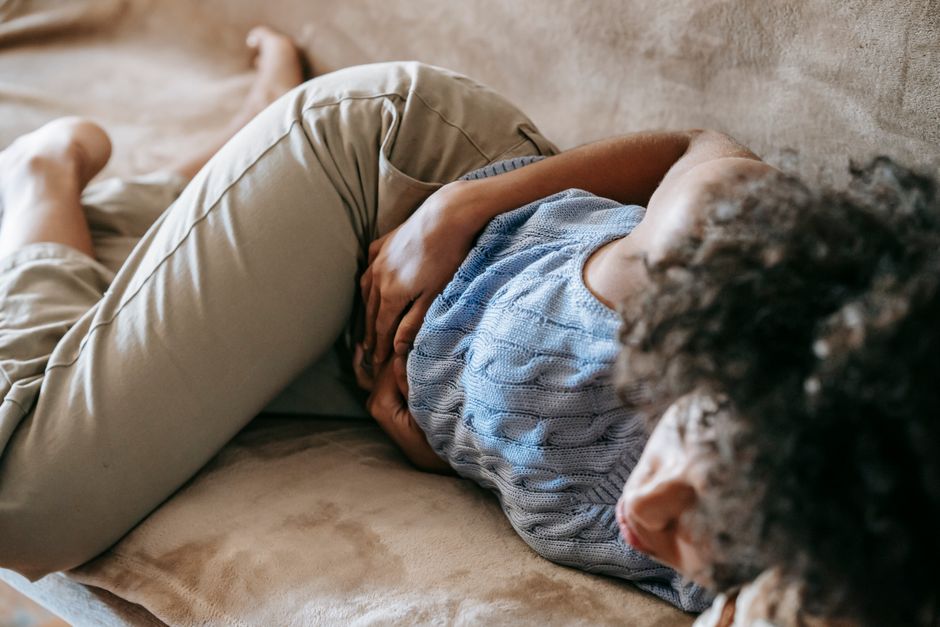
Hard poop hurts because the stool has lost so much water that it becomes a firm, abrasive mass. To move it, your colon and rectum must squeeze harder than they were designed to. That pressure stretches the anal canal, and if the stool is large or dry enough, it can tear the delicate lining as it passes. The pain is not a sign that something is wrong with your body’s design. It is a sign that waste stayed in the colon too long.
Why Does Hard Poops Hurt So Bad?
The rectum and anus are lined with tissue that is far more sensitive than the rest of the digestive tract. The anal canal contains a dense network of nerve endings. That sensitivity serves a purpose: it tells you when gas, liquid, or solid waste is present so you can decide whether it is safe to release. The same nerve density that makes you aware of a bowel movement also makes injury there feel sharp and intense.
When stool is hard, two things happen at once. First, the stool itself becomes abrasive. Second, passing it requires more force. The anal sphincter muscles must relax while abdominal pressure pushes the stool through. If the stool is large and dry, the tissue stretches beyond its normal range. Small tears called anal fissures can form in the lining of the anal canal. These tears are one of the most common reasons a bowel movement feels like passing glass.
There is a detail many people miss. The pain of a fissure often comes in two phases. You feel a sharp, cutting pain during the bowel movement itself. Then, minutes to hours later, a second wave of burning or throbbing pain sets in as the sphincter muscle spasms. That spasm is the muscle’s reflex response to injury. It can last for hours and is often more distressing than the initial tear.
Hard stool also stretches the rectal wall. The rectum is not built to hold a large, firm mass for long periods. When it does, pressure on the surrounding tissue can cause a dull, heavy ache in the lower pelvis that lingers after you finish.
What Actually Makes Poop Hard?
Stool hardness is mostly about water and time. Your colon absorbs water from waste as it moves through. The longer waste stays in the colon, the more water is pulled out. What started as soft slurry becomes a dry, compacted mass.
Fiber is the main factor that controls this process. Soluble fiber absorbs water and forms a gel that keeps stool soft and cohesive. Insoluble fiber adds bulk and speeds transit. When you eat too little of both, stool moves slowly and dries out.
Fluid intake matters too, but the relationship is not as simple as many people assume. Drinking more water helps only if you are actually dehydrated. If you are well hydrated and eat almost no fiber, extra water alone will not fix hard stool. The colon will simply absorb the surplus.
Other common contributors include:
- Certain medications, including some pain relievers, antidepressants, and iron supplements
- Ignoring the urge to go, which lets stool sit and dry out
- Low physical activity, which slows gut transit
- Changes in routine such as travel or shift work
- Pregnancy, which slows transit and adds pressure on the bowel
- Medical conditions that affect gut motility or pelvic floor function
Age plays a role as well. Colon transit tends to slow with age, and many adults take medications that contribute to constipation. None of this means hard stool is unavoidable. It means the causes are usually multiple, not singular.
When Hard Poop Is a Sign of Constipation
Hard stool is one of the defining features of constipation. Clinicians generally describe constipation using several criteria: fewer than three bowel movements per week, stools that are hard or lumpy, straining, a feeling of incomplete emptying, or needing manual help to pass stool. You do not need all of these. Having hard stools most of the time is enough to call it constipation.
The Bristol Stool Scale is a common clinical tool that classifies stool into seven types. Type 1 is separate hard lumps, like nuts. Type 2 is a sausage shape but lumpy. Both indicate slow transit and are associated with constipation. Type 3 and Type 4 are considered ideal. Types 5 through 7 trend toward loose or watery.
Occasional hard stool is normal. Chronic hard stool is not something to ignore. Over time, repeated straining can contribute to hemorrhoids and can worsen existing fissures. It can also put pressure on the pelvic floor. For some people, chronic straining is linked to a condition called pelvic floor dyssynergia, where the muscles that should relax during a bowel movement instead tighten. That condition requires specific treatment and does not respond to fiber alone.




Why Straining Makes the Pain Worse
Straining is a natural response to hard stool, but it works against you. When you bear down, you increase pressure inside the abdomen. That pressure pushes stool forward, but it also pushes against the veins around the anus and the muscles of the pelvic floor.
Hemorrhoids are one result. These are swollen veins in the anal canal that can bleed, itch, or hurt. They are common and often caused or worsened by chronic straining. The relationship runs both ways: hard stool makes you strain, and straining makes hemorrhoids more likely, which makes bowel movements more painful, which makes you more likely to delay going, which makes stool harder.
That cycle is the core problem with hard stool. It is not just one painful event. It is a pattern that reinforces itself unless something interrupts it.
What Helps Hard Stool Pass More Easily
The most reliable approach is to address the stool itself rather than the pain. Softer stool passes with less force and less tissue injury.
Fiber is the first line. Most adults are advised to get roughly 25 to 30 grams of fiber per day, though individual needs vary. The problem is that many people eat far less than that. Adding fiber suddenly can cause bloating and gas, so it is usually better to increase it gradually over a week or two. Soluble fiber sources like oats, psyllium, and beans tend to be especially helpful for softening stool.
Fluids support fiber. Fiber without enough water can actually make stool harder, because the fiber pulls water from the body into the colon. If you increase fiber, increase water too.
Physical activity helps. Movement stimulates the muscles of the gut and shortens transit time. Even a daily walk can make a difference for some people.
Do not ignore the urge to go. When the rectum signals that stool is present, that is the best time to pass it. Delaying lets the colon absorb more water and makes the stool harder.
For people with ongoing hard stool, clinicians sometimes recommend osmotic laxatives such as polyethylene glycol. These pull water into the stool and are generally considered safe for longer-term use under medical guidance. Stimulant laxatives work differently and are usually reserved for shorter-term use. Anyone considering laxatives regularly should talk to a clinician rather than self-manage long term.
If pain during bowel movements is severe, lasts more than a few days, or comes with bleeding, that is a reason to see a doctor. Anal fissures, hemorrhoids, and other conditions can all cause similar symptoms, and only an exam can tell them apart.
How to Tell If Something More Serious Is Going On
Most hard stool and the pain it causes are not dangerous. But some symptoms point to something that needs medical attention.
See a clinician if you notice:
- Blood in the stool or on toilet paper that does not clear up
- Pain that is severe, worsening, or lasts beyond a few days
- A change in bowel habits that lasts more than a few weeks
- Unexplained weight loss
- Stools that are very narrow, like a pencil
- Constipation that does not respond to fiber, fluids, and activity
- A feeling that you cannot fully empty your bowels
These do not automatically mean something serious. They mean the cause should be evaluated rather than assumed. Colorectal cancer, for example, can cause changes in stool shape and bowel habits, and it is far more treatable when found early. That is not said to alarm you. It is said because the difference between a manageable problem and a serious one is often just whether someone looked.
Why This Keeps Happening to Some People
Some people do everything right and still get hard stool. That is worth understanding, because it changes what to do next.
Slow transit constipation means the colon moves waste too slowly. Fiber and fluids help, but they may not fully solve it. Pelvic floor dysfunction means the muscles that should relax during a bowel movement do not. This is common and often missed. It does not improve with more fiber and may need physical therapy focused on the pelvic floor.
Medication is another frequent cause. Opioid pain relievers are well known to slow the gut and cause hard stool. So can some antidepressants, blood pressure medications, and antacids containing calcium or aluminum. If hard stool started around the same time as a new medication, that timing is worth mentioning to a doctor.
Irritable bowel syndrome can cause both hard and loose stool, often alternating. The pattern matters more than any single bowel movement.
The point is that hard stool has many possible causes, and the right response depends on which one applies. Fiber is a reasonable first step for most people. If it does not help, that is information, not failure. It suggests the cause may be something fiber cannot fix.
Frequently Asked Questions
Why does passing a hard poop hurt so much?
The anal canal has a high density of nerve endings, so stretching or tearing its lining produces sharp pain. Hard stool also triggers muscle spasms that can cause a second wave of burning pain lasting hours after the bowel movement.
How long does pain from a hard poop usually last?
Mild soreness often settles within minutes to a few hours. Pain from an anal fissure can last longer and may return with each bowel movement until the tissue heals, which can take several weeks.
Can hard poop cause bleeding?
Yes. Hard stool can tear the anal lining or irritate hemorrhoids, both of which can cause bright red blood on toilet paper or the stool surface. Bleeding that persists or is unexplained should be checked by a doctor.
What is the fastest way to soften hard stool?
Increasing soluble fiber and fluid intake helps over days, not hours. For faster relief, clinicians sometimes recommend osmotic laxatives such as polyethylene glycol, which pull water into the stool.
