
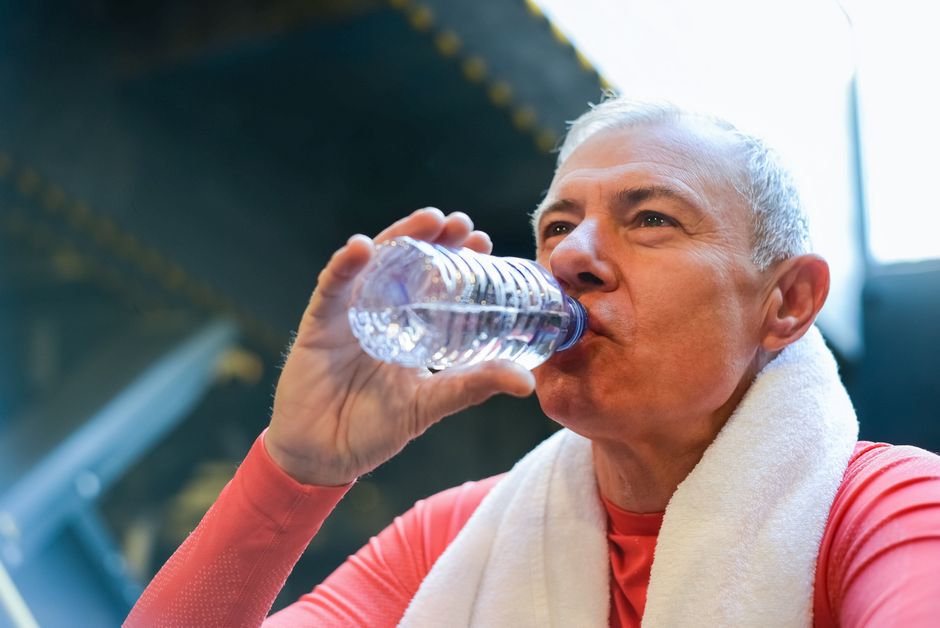
If you have ever felt a sudden, urgent need to use the bathroom shortly after taking a sip of your morning coffee or a glass of water, you are not imagining things. The connection between drinking fluids and bowel movements is a real, physiological response. This happens because the entire digestive tract, from your stomach to your colon, is highly sensitive to the arrival of food and liquid, triggering a chain reaction that can end with a trip to the toilet.
What Is the Gastrocolic Reflex?
The primary reason drinking makes you poop is a natural bodily process called the gastrocolic reflex. This is an involuntary response where the stomach sends a signal to the colon to make room for the incoming food or drink. When your stomach stretches to accommodate what you have just swallowed, it releases hormones that tell the large intestine to contract.
These contractions push fecal matter toward the rectum. This is not a sign of illness; it is a normal, healthy function. The reflex is strongest in the morning, which is why many people have a bowel movement shortly after breakfast. It is also more active in infants and young children, which is why they often poop shortly after feeding.
While the reflex is triggered by any food or liquid, certain drinks can amplify the effect. The volume of liquid matters, but so does the temperature and the specific chemical compounds in the beverage. The result is the same: increased colon activity and a feeling of urgency.
Why Does Hot Liquid Trigger Bowel Movements?
Temperature plays a significant role in stimulating the digestive system. Drinking a hot beverage, such as coffee, tea, or even plain hot water, can speed up the digestive process. The heat helps to dilate blood vessels in the digestive tract, which can increase muscle activity in the intestines.
Hot liquids also cause the stomach to empty its contents into the small intestine faster than cold liquids do. This rapid emptying intensifies the gastrocolic reflex. When the stomach empties quickly, the colon receives a stronger signal to start contracting. If you have ever noticed that a cold soda does not have the same effect as a hot cup of tea, this is why.
This is a mechanical response to temperature, not a chemical one. It applies to almost any warm fluid. For some people, the effect is mild. For others, it is strong enough to cause an urgent bowel movement within minutes of finishing the drink.
Does Coffee Have a Special Effect on the Gut?
Coffee is famous for its ability to get the bowels moving, and the science confirms that it is not just the heat or the caffeine. Research suggests that coffee has a unique effect on the digestive system that goes beyond other hot beverages. Studies have shown that coffee can stimulate contractions in the lower colon within minutes of consumption.
Caffeine is a stimulant, and it does play a role in increasing muscle contractions throughout the body, including the digestive tract. However, decaffeinated coffee has also been shown to stimulate the colon. This indicates that coffee contains other compounds that trigger the release of hormones like gastrin and cholecystokinin, which are involved in digestion and bowel movements.
For many people, a morning cup of coffee is a reliable way to establish a regular bowel habit. The effect is so pronounced that it is one of the most commonly reported reasons people drink coffee in the morning. If you are sensitive to this effect, you might notice urgency even after a small amount.


Can Drinking Water Alone Make You Poop?
Yes, drinking plain water can stimulate a bowel movement, especially if you are dehydrated. When you are dehydrated, your colon absorbs water from the stool to maintain hydration in the body. This makes the stool hard and difficult to pass. Drinking water helps rehydrate the stool, making it softer and easier to move through the intestines.
Drinking a large amount of water quickly also stretches the stomach. This stretch alone is enough to trigger the gastrocolic reflex. If you drink a large glass of water on an empty stomach, you may feel the urge to go to the bathroom shortly after. This is a normal response to the physical expansion of the stomach.
For people who experience constipation, increasing water intake is one of the first recommendations. It is a simple, effective way to soften stool and promote regular bowel movements. However, drinking water will not fix chronic constipation if the underlying cause is a low-fiber diet or a medical condition.
Are There Other Drinks That Stimulate the Colon?
Several other beverages can trigger the urge to poop. The most common ones include:
- Prune juice: Contains sorbitol and fiber, which draw water into the colon and stimulate contractions.
- Apple juice: Contains sorbitol and fructose, which can have a laxative effect when consumed in large amounts.
- Carbonated drinks: The gas from carbonation can increase pressure in the stomach, which may intensify the gastrocolic reflex.
- Alcoholic beverages: Alcohol can irritate the stomach lining and speed up digestion, leading to loose stools.
- Milk: For people with lactose intolerance, milk can cause cramping and diarrhea shortly after drinking it.
These drinks work through different mechanisms. Some contain natural sugars that pull water into the bowel. Others irritate the gut lining or increase acid production. The common thread is that they all increase the activity of the colon.
Is It Normal to Poop Right After Drinking?
Having a bowel movement shortly after drinking is normal for many people. The digestive system is designed to process what you consume, and the urge to go after a meal or a drink is a sign that your nervous system and digestive tract are communicating properly. For most people, this happens once or twice a day without issue.
However, a distinction exists between a normal reflex and a sign of a problem. If you experience explosive diarrhea, severe cramping, or an urgent need to go multiple times every day after drinking, you may have a condition like irritable bowel syndrome (IBS), food intolerance, or an overactive thyroid. These conditions amplify the normal reflex to a point where it interferes with daily life.
Pay attention to the pattern. If the urge is mild and resolves after one bowel movement, it is likely a normal physiological response. If it is painful, persistent, or accompanied by blood, mucus, or weight loss, you should speak with a doctor. These symptoms require a medical evaluation, not a change in drinking habits.
Can You Train Your Bowels with Drinking?
You can use the gastrocolic reflex to your advantage to establish a regular bowel routine. Many clinicians recommend using a warm drink in the morning to help stimulate a bowel movement at a predictable time. This is a common strategy for people with constipation or those trying to regulate their digestive system.
To do this, drink a warm beverage at the same time every morning, about 20 to 30 minutes before you want to use the bathroom. Sit on the toilet after drinking, even if you do not feel an immediate urge. Over time, your body can learn to associate the drink with the need to go. This is not a medical treatment, but it is a behavioral technique that many people find helpful.
Consistency is more important than the type of drink. Hot water, coffee, or tea all work. The goal is to create a predictable trigger that your body learns to respond to. This approach is safe for most people, but it should not replace medical advice for chronic digestive issues.
When Should You See a Doctor About Bathroom Urgency?
Bathroom urgency after drinking is usually harmless, but there are warning signs that warrant a medical visit. If you notice a sudden change in your bowel habits that lasts more than a few weeks, you should be evaluated. This is especially important if you are over 50 years old, as new digestive symptoms can sometimes indicate a more serious condition.
Seek medical advice if you experience any of the following:
- Blood in your stool or black, tarry stools
- Severe abdominal pain that does not go away
- Unintentional weight loss
- Diarrhea that wakes you up from sleep
- Fever alongside your digestive symptoms
These symptoms are not caused by the normal gastrocolic reflex. They point to inflammation, infection, or other underlying issues that require a proper diagnosis. Do not ignore these signs or assume they will resolve on their own.
Frequently Asked Questions
Why does my stomach hurt after I drink water?
Stomach pain after drinking water is often caused by the stomach stretching rapidly, which triggers strong contractions. If the pain is severe or frequent, it could indicate a condition like gastritis or an ulcer, and you should consult a doctor.
Does drinking cold water slow down digestion?
Cold water can slow the rate at which the stomach empties its contents compared to warm water. This can reduce the strength of the gastrocolic reflex, but it does not stop digestion entirely.
Is it bad to have a bowel movement right after every meal?
Having a bowel movement after every meal is normal for some people due to a strong gastrocolic reflex. It is only a concern if the stool is consistently loose, painful, or accompanied by other symptoms like bloating or weight loss.
Can drinking more water cure constipation?
Increasing water intake helps soften stool and can relieve mild constipation, but it is not a cure if the constipation is caused by a low-fiber diet or medication. Water works best when combined with adequate dietary fiber and physical activity.
