
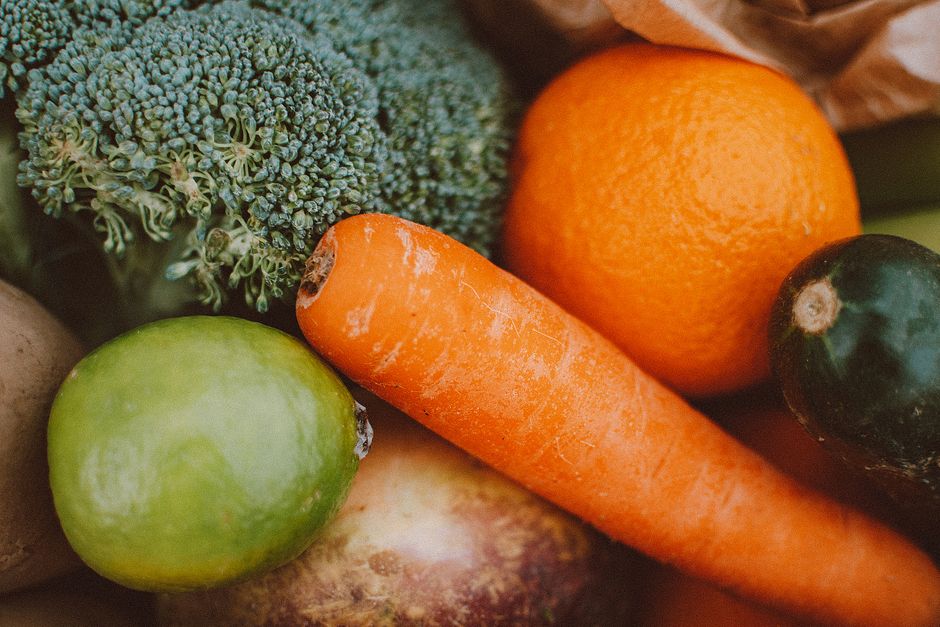
Broccoli causes gas because it contains raffinose, a complex sugar the human body cannot digest. Humans lack the enzyme needed to break raffinose down in the small intestine. The undigested sugar travels to the colon, where bacteria ferment it and produce gas as a byproduct. This is a normal digestive process, not a sign that anything is wrong with your gut.
Why Does Broccoli Cause Gas?
Broccoli belongs to a family of vegetables called cruciferous vegetables. This group also includes cauliflower, cabbage, Brussels sprouts, and kale. All of them share a common trait: they contain specific carbohydrates that are hard for humans to digest.
The main culprit is raffinose. Raffinose is a type of carbohydrate made of three sugars linked together: galactose, glucose, and fructose. The human small intestine produces enzymes that break down most sugars. But it does not produce alpha-galactosidase, the enzyme needed to split raffinose apart.
Because raffinose stays intact, it passes through the small intestine undigested. When it reaches the large intestine, the bacteria living there feast on it. Bacterial fermentation produces hydrogen, methane, and carbon dioxide. That gas builds up and needs to escape, which causes bloating and flatulence.
What Else in Broccoli Contributes to Gas?
Raffinose is not the only gas-producing compound in broccoli. The vegetable also contains significant amounts of dietary fiber. Fiber is essential for digestive health, but it is not fully digested by human enzymes either. Soluble fiber, in particular, ferments in the colon and produces gas as a natural byproduct.
Broccoli also contains small amounts of fructose. Fructose is a simple sugar found in many fruits and vegetables. Some people absorb fructose poorly. When fructose is not absorbed in the small intestine, it reaches the colon and ferments, adding to the gas load.
The combination of raffinose, fiber, and fructose means broccoli delivers multiple gas-producing compounds in a single serving. That is why a bowl of broccoli can produce more noticeable gas than a food containing only one of these components.
Does Everyone Get Gas From Broccoli?
No. Gas production from broccoli varies significantly from person to person. The difference comes down to the makeup of your gut bacteria.
Everyone has a unique community of microbes in their colon. Some people harbor bacteria that are highly efficient at fermenting raffinose and fiber. These people produce more gas from the same amount of broccoli. Others have bacterial communities that produce less gas during fermentation.
Your recent diet also matters. If you rarely eat vegetables high in fiber, your gut bacteria may not be adapted to handle them. A sudden increase in broccoli intake can cause noticeable gas until your microbiome adjusts. Regular consumption tends to reduce symptoms over time as your bacterial community adapts to the new food source.
Some research also suggests that the speed of your digestive tract plays a role. Slower transit time gives bacteria more time to ferment undigested carbohydrates, which can increase gas production.




Is Gas From Broccoli a Sign of a Food Intolerance?
In most cases, no. Gas after eating broccoli is a normal physiological response. It happens because of how the human digestive system is built, not because of a specific intolerance.
A true food allergy to broccoli is rare. When it occurs, symptoms typically include hives, itching, swelling, or difficulty breathing. These reactions involve the immune system and are different from digestive gas.
However, some people have conditions that make gas symptoms worse. Irritable bowel syndrome (IBS) is one example. People with IBS often have a more sensitive gut. They may feel more bloating and discomfort from the same amount of gas that a person without IBS would barely notice.
There is also a condition called small intestinal bacterial overgrowth (SIBO). In SIBO, bacteria grow in the small intestine where they normally should not be. These bacteria ferment carbohydrates earlier in the digestive process, which can cause significant bloating and gas after eating foods like broccoli.
Does Cooking Broccoli Reduce Gas?
Cooking broccoli can help, but it does not eliminate the problem entirely. Heat breaks down some of the cell walls in broccoli, which can make certain nutrients easier to digest. However, raffinose is heat-stable. Cooking does not destroy it.
Steaming or boiling broccoli may reduce gas slightly because some of the sugars leach into the cooking water. If you discard the water, you discard some of the raffinose and other carbohydrates. But the effect is modest, not complete.
Chewing thoroughly is another strategy that helps. The more you chew, the more you break down the physical structure of the vegetable. This gives digestive enzymes more surface area to work with. It does not help with raffinose specifically, since you lack the enzyme entirely, but it can improve overall digestion of the vegetable matter.
What Can You Do to Reduce Gas From Broccoli?
Several practical strategies can help reduce gas without giving up broccoli entirely.
Start with small portions. If you are not used to eating broccoli regularly, begin with a quarter cup and gradually increase the amount over several weeks. This gives your gut bacteria time to adapt.
Cook it well. Well-cooked broccoli is easier to digest than raw broccoli. The heat softens the fiber and makes the vegetable matter easier for your digestive system to process.
Consider an enzyme supplement. Products containing alpha-galactosidase, the enzyme humans lack, are available over the counter. These supplements break down raffinose before it reaches the colon. Some studies suggest they reduce gas and bloating after eating gas-producing foods. If you try one, follow the dosing instructions on the package.
Eat broccoli with other foods. Eating broccoli as part of a meal rather than on an empty stomach can slow digestion and may reduce the intensity of gas symptoms.
When Should You Be Concerned About Gas?
Gas after eating broccoli is normal. But gas accompanied by other symptoms deserves attention.
See a doctor if you experience gas along with persistent abdominal pain, unintentional weight loss, blood in your stool, or changes in bowel habits lasting more than a few weeks. These symptoms can indicate a condition that needs medical evaluation.
If gas is severe and happens after many different foods, not just broccoli, it may be worth discussing with a healthcare provider. They can evaluate you for conditions like IBS, SIBO, or other digestive disorders. Do not self-diagnose based on internet information alone.
For most people, broccoli gas is a minor and temporary inconvenience. The health benefits of eating broccoli are well documented. It provides vitamin C, vitamin K, fiber, and compounds called glucosinolates that some research links to reduced cancer risk. The gas is the price some people pay for those benefits.
You can also try other low-gas vegetables if broccoli consistently bothers you. Zucchini, spinach, carrots, and green beans are generally easier on the digestive system. But before giving up broccoli entirely, try smaller portions and gradual increases. Many people find their tolerance improves with regular consumption.
Frequently Asked Questions
How long does broccoli gas last after eating?
Gas from broccoli typically passes within a few hours as the fermented carbohydrates move through your colon. Most people notice symptoms starting about one to three hours after eating and resolving within six hours.
Is raw or cooked broccoli more likely to cause gas?
Raw broccoli causes more gas than cooked broccoli because cooking softens the fiber and makes the vegetable easier to digest. However, cooked broccoli still contains raffinose and will still produce some gas.
Does broccoli cause gas in everyone who eats it?
No, not everyone experiences gas from broccoli. Gas production depends on your individual gut bacteria, how much broccoli you eat, and how often you eat vegetables high in fiber.
Can you build up a tolerance to broccoli gas?
Many people find that eating broccoli regularly in small amounts reduces gas over time. Your gut bacteria adapt to the fiber and carbohydrates, which can lead to less gas production with continued consumption.
