
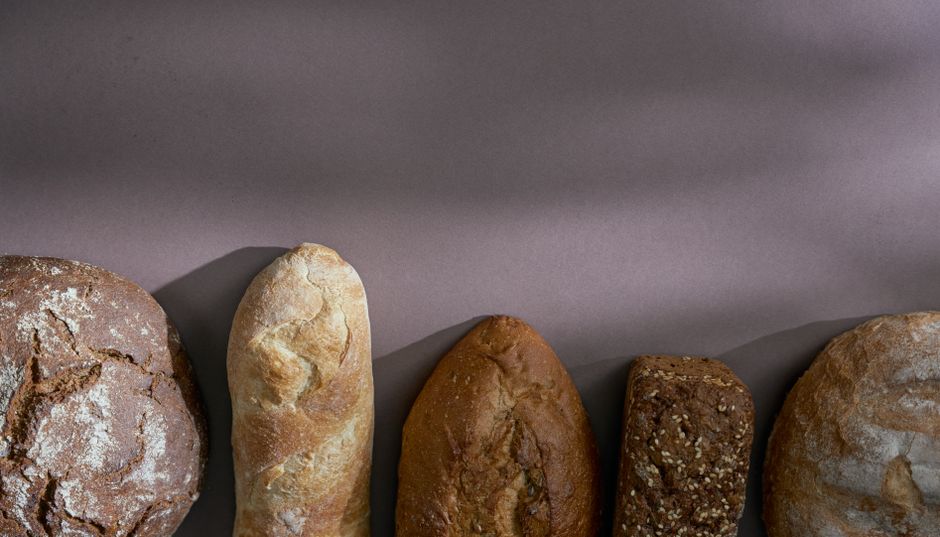
Bread molds because it is a warm, moist, nutrient-rich food sitting in a package of air. Fungal spores land on the surface, find conditions they like, and grow into visible colonies. The safest rule is simple: if you can see mold on bread, throw away the whole loaf. Do not cut off the moldy part and eat the rest.
That last point surprises many people. Mold is not just a surface problem. The fuzzy patch you see is only the reproductive part of a much larger network of thread-like cells growing through the bread. Those threads, and any toxins they produce, can spread well beyond the visible spot.
What Actually Causes Mold to Grow on Bread?
Mold growth is a biological process, not a sign that something went wrong at the bakery. Fungal spores are everywhere — in the air, on surfaces, and often already present on the grain before bread is even baked.
Baking kills most molds and their spores. But spores can settle on the bread after it cools, during slicing, or while it sits on a shelf. Once a spore lands, it needs three things to grow: moisture, a comfortable temperature, and nutrients. Bread provides all three.
Bread is roughly 35 to 40 percent water by weight, which is enough to support fungal growth. It is also rich in starch and sugars, which molds use as food. Room temperature, somewhere around 68 to 77 degrees Fahrenheit, is close to ideal for many common bread molds.
Two molds show up on bread most often. One is Rhizopus stolonifer, sometimes called black bread mold, which produces dark fuzzy patches. The other common group is Penicillium, which tends to look blue-green. Both are widespread in the environment and both grow quickly on bread.
Here is a detail worth knowing: commercial bread often contains preservatives that slow mold growth, which is one reason a packaged loaf may last longer than a fresh bakery loaf. Homemade and preservative-free breads typically mold faster for the same reason.
Why Does Mold Spread Through the Whole Loaf?
What you see on the surface is a small fraction of the mold. The visible fuzz is made of structures that release spores. Beneath it, the mold has already sent root-like threads, called hyphae, down into the bread.
Bread is soft and porous. Those threads move through it easily, and they can travel farther than the eye can follow. By the time a mold colony is visible on top, the network underneath may extend through a much larger area.
There is a second concern beyond the mold itself. Many molds produce compounds called mycotoxins. These are not the mold — they are substances the mold makes, and some are harmful to humans. Mycotoxins can diffuse into surrounding bread, meaning the area around a visible mold patch may contain them even where no mold is seen.
This is why the advice to trim off the moldy corner is not reliable. You cannot see, smell, or taste the difference between bread that contains mycotoxins and bread that does not.
Is It Safe to Cut Off the Mold and Eat the Rest?
No. For soft bread, cutting off the moldy section is not considered a safe practice. The threads and any toxins can already be present in the part that looks clean.
There is one narrow exception people sometimes mention. On hard, dense foods like hard cheese or firm dry-cured sausage, mold usually cannot send threads deep into the food because the texture is too firm. In those cases, cutting off a generous margin around the mold is sometimes considered acceptable. Bread does not fall into this category. It is soft and porous, so the mold can penetrate throughout.
The general guidance from food safety authorities is consistent here: discard soft foods that show mold, including bread, soft cheese, yogurt, jams, and soft fruits and vegetables. The logic is the same in each case — the mold’s reach goes beyond what you can see.
If you have already eaten a small amount of moldy bread, the usual outcome is nothing at all, or mild stomach upset. Serious harm from a single exposure is uncommon. But that is not a reason to keep eating it, and it is not a reason to treat visible mold casually.


When Should You Discard Bread?
Discard bread the moment you see mold, smell it, or feel it. Do not wait to confirm how bad it is. Visible mold on any part of a loaf means the whole loaf should go.
Some people try to salvage bread by toasting it. Heat can kill mold and spores, but it does not reliably destroy mycotoxins. Some mycotoxins are heat-stable and survive normal cooking temperatures. Toasting, therefore, does not make moldy bread safe.
Signs that a loaf should be thrown out include:
- Any visible mold — fuzzy, powdery, or discolored patches in green, blue, black, or white
- A musty or earthy smell, even without visible mold
- Slimy or unusually soft texture
- Discoloration that spreads or darkens over a day or two
If you are unsure whether a spot is mold or just a flour dusting or a dark patch from baking, the safer choice is to discard it. Flour dusting is dry and powdery and brushes off. Mold tends to look fuzzy and grows over time.
How Can You Make Bread Last Longer?
You cannot stop mold entirely, but you can slow it down. The main levers are moisture, temperature, and air exposure.
Keep bread in a cool, dry place, ideally in a bread box or a paper bag. Plastic bags trap moisture, which can speed up mold growth on the surface, even though they keep the bread from drying out. A paper bag lets some moisture escape while still protecting the crust.
Refrigeration is a trade-off. Cold temperatures slow mold growth, but they also speed up staling, making bread go stale faster than it would at room temperature. For bread you plan to eat within a few days, room temperature is usually the better choice. For bread you will not finish quickly, freezing is the most effective option.
Freezing stops mold growth almost entirely. Slice the loaf first, then freeze it, so you can take out only what you need. Thawed bread keeps for a short window in the refrigerator before mold can return.
Other practical steps that help:
- Buy smaller loaves more often if you do not eat bread quickly
- Keep bread away from damp areas like above a dishwasher or near a sink
- Do not store bread next to fruit that is ripening, since ripening fruit releases moisture and can carry mold spores
- Clean your bread box regularly, since spores can linger on surfaces
One clarification worth making: a single moldy slice does not mean the rest of the loaf is automatically contaminated, but it does mean the loaf is at risk. Once mold is visible anywhere, the safest move is to discard the whole loaf rather than gamble on the remaining slices.
Does Moldy Bread Make You Sick?
Eating moldy bread can make some people sick, but the outcome varies widely. Many molds that grow on bread are not seriously harmful on their own. The bigger concern is the mycotoxins some molds produce.
Reactions range from nothing noticeable to nausea, vomiting, or stomach discomfort. People with mold allergies or asthma may react more strongly, sometimes with respiratory symptoms. People with weakened immune systems face a higher risk of more serious illness from mold exposure.
The evidence on long-term health effects from occasional exposure to moldy bread is limited. What is clear is that repeated or large exposures to certain mycotoxins are associated with health problems, which is why food safety guidance treats moldy bread as a discard item rather than a trim-and-eat item.
If you eat moldy bread and develop symptoms like severe stomach pain, vomiting, or trouble breathing, seek medical care. For most healthy people, a small accidental bite causes no lasting problem — but that is not a reason to make a habit of it.
Frequently Asked Questions
Can I eat bread if I cut off the moldy part?
No, not for soft bread. Mold threads and possible mycotoxins can spread beyond the visible patch, so the whole loaf should be discarded.
Does toasting moldy bread make it safe?
No. Toasting can kill mold and spores, but it does not reliably destroy mycotoxins, some of which survive normal cooking heat.
How fast does bread mold?
It varies with moisture, temperature, and preservatives. Homemade and preservative-free breads typically mold faster than commercial packaged loaves, sometimes within a few days at room temperature.
Is it safe to freeze bread to prevent mold?
Yes, freezing is an effective way to stop mold growth. Slice the loaf before freezing so you can thaw only what you need.
