
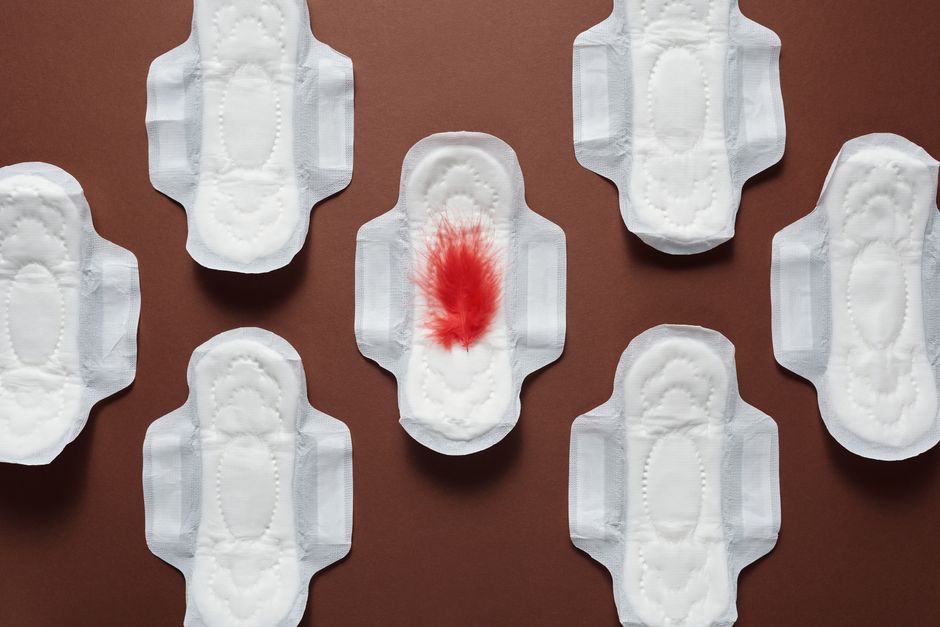
Blood turns brown because the iron inside hemoglobin changes its chemical state. Fresh blood is bright red when oxygen is bound to the iron in hemoglobin. Once that blood sits outside the body, oxygen leaves, the iron shifts to a different form, and the hemoglobin breaks down into new pigments. Those pigments are brown. The color change is chemistry, not decay alone, and it happens in a predictable sequence.
You have seen the sequence on a bandage or a dropped drop on the floor. Red first. Then dark red. Then brown. Each step reflects a specific molecule doing a specific thing. Understanding that chain explains a lot, including why bruises change color and why dried blood looks the way it does.
Why Does Blood Turn Brown Chemistry Explained
Hemoglobin is the protein that carries oxygen in red blood cells. At its center sits a heme group, and at the center of that heme group is an iron atom. That iron atom is the whole story.
When oxygen binds to the iron, the iron is in what chemists call the ferrous state, written as Fe²⁺. Hemoglobin in this state is bright red. This is the color of blood leaving a wound or the color inside a healthy artery. The oxygen molecule is held loosely, and the arrangement of electrons around the iron produces the red color you see.
When oxygen leaves, the iron can oxidize. It loses an electron and becomes ferric iron, written as Fe³⁺. Hemoglobin in this state is called methemoglobin, and it is a darker, browner color. This is the first chemical step toward brown blood.
From there, the hemoglobin itself breaks apart. The protein shell unravels and the heme group separates. The heme is then converted into other pigments, including a greenish compound called biliverdin and a yellow-brown compound called bilirubin. These are the same pigments responsible for the colors of a healing bruise. Bilirubin is brown-yellow, and it is the main reason old blood looks brown rather than red.
So the brown color is not one thing. It is the end result of iron oxidation plus hemoglobin breakdown plus pigment formation. The process takes time, which is why blood does not turn brown instantly.
Why Does Blood Turn Dark Red Before It Turns Brown?
Dark red is the in-between stage, and it happens for two reasons that are easy to separate.
The first is oxygen loss. Bright red blood is oxygenated. When blood leaves the body, the oxygen that was bound to hemoglobin is released into the surrounding air or absorbed by the surface it lands on. Hemoglobin without oxygen is a darker red, closer to purple. This is the same reason venous blood, which carries less oxygen, looks darker than arterial blood.
The second is water loss. As blood dries, the water in it evaporates. The remaining material becomes more concentrated. Concentrated hemoglobin looks darker because there is less liquid to scatter light. A thin smear dries faster than a pooled drop, so the thin smear can look brown sooner.
This dark red stage is often brief. On a bandage, it may last minutes to hours depending on how wet the blood is and how warm the surroundings are. In a bruise under the skin, the same chemistry happens more slowly because the blood is trapped and oxygen exchange is limited.
Why Do Bruises Turn Brown and Yellow?
A bruise is a small bleed under the skin. Blood leaks from damaged vessels into the surrounding tissue, and then the same chemical sequence plays out, but on a slower timeline because the blood is sealed in and oxygen is limited.
The color changes in a bruise follow the breakdown of hemoglobin step by step. Early on, the bruise is red or purple because fresh blood is present. As oxygen is used up and iron oxidizes, the bruise turns blue or dark purple. As hemoglobin breaks down into biliverdin, a green tint can appear. As biliverdin is converted to bilirubin, the bruise turns yellow-brown. Eventually the pigments are cleared by the body and the color fades.
The exact timing varies a lot between people. Age, skin tone, the size of the bruise, and where on the body it sits all affect how quickly the colors shift. There is no fixed schedule that applies to everyone, and clinicians generally do not use bruise color alone to date an injury precisely. That point matters because bruise color is sometimes treated as a reliable clock in popular writing. It is not that precise.
Does Blood Always Turn Brown?
No. Blood does not always end up brown, and the exceptions are informative.
Blood that stays wet and exposed to air can look dark red for a long time. Blood mixed with certain substances changes differently. Blood on dark fabric is harder to judge by eye. And blood inside the body is handled by enzymes that break it down in a controlled way, so the pigments are processed and removed rather than left to sit.
There is also a medical condition worth knowing about. Methemoglobinemia is a disorder in which too much hemoglobin is stuck in the ferric state. Blood in this condition can appear chocolate-brown or bluish, and it is a genuine medical problem, not a cosmetic one. It can be inherited or triggered by certain drugs and chemicals. The brown color in that case comes from the same iron chemistry, but it is happening inside the body and it affects how well blood carries oxygen. This is a clinical condition that requires medical evaluation, not something to self-diagnose from the color of a bandage.
Why Does Old Blood Sometimes Look Green or Black?
Green and black are part of the same pigment pathway, not a separate mystery.
Green comes from biliverdin, the pigment formed when heme is broken down. It is the same compound that gives some bruises a greenish edge. Black or very dark brown can appear when blood is thick, dried, and concentrated, or when it has been exposed to air for a long time and the pigments have darkened further.
Menstrual blood is a good example of how variable this can be. It can range from bright red to dark brown to almost black depending on how long it took to leave the body and how much it oxidized along the way. Dark menstrual blood is common and usually reflects timing, not a sign of disease. That said, persistent unusual color changes or other symptoms are worth discussing with a clinician rather than guessing from appearance alone.
What Makes Blood Turn Brown Faster or Slower?
Several factors speed up or slow down the color change. None of them change the underlying chemistry.
- Air exposure. More oxygen contact speeds oxidation and drying.
- Temperature. Warmer conditions generally speed chemical reactions.
- Moisture. Wet blood stays redder longer; drying concentrates pigments and darkens them.
- Surface. Porous materials absorb water and can speed drying.
- Amount of blood. A large pool dries from the outside in, so it can look red in the center and brown at the edges.
The key point is that the color tells you about the chemical state of the blood, not about how dangerous or clean it is. Brown blood is not more infectious than red blood. Infectious risk depends on the pathogen present, not the pigment color.
The Bottom Line on Blood Color
Blood turns brown because iron in hemoglobin oxidizes and hemoglobin breaks down into bilirubin and related pigments. Dark red comes first as oxygen leaves. Brown comes later as the pigments form and the blood dries. Bruises follow the same path under the skin, just more slowly.
The color change is a normal chemical process. It is not a sign of disease in ordinary dried blood. The exception is methemoglobinemia, a real medical condition where the same iron chemistry happens inside the body and affects oxygen delivery. That condition is diagnosed by clinicians, not by looking at a stain.
Frequently Asked Questions
Why does blood turn brown when it dries?
Drying concentrates the blood and speeds the oxidation of iron in hemoglobin, and the hemoglobin breaks down into brown-yellow pigments like bilirubin. The brown color is the end product of that chemical breakdown.
Is brown blood a sign of infection?
No. Brown color reflects the chemical state of hemoglobin and its breakdown products, not the presence of germs. Infection risk depends on what pathogen is in the blood, not on its color.
Why do bruises turn yellow before they fade?
As hemoglobin breaks down, it forms biliverdin (green) and then bilirubin (yellow-brown), and bilirubin is the pigment that gives a healing bruise its yellow tint. The body then clears these pigments and the color fades.
Can blood turn brown inside the body?
Yes, in a condition called methemoglobinemia, where too much hemoglobin stays in the ferric state and blood can look chocolate-brown or bluish. It affects oxygen delivery and requires medical evaluation.
