
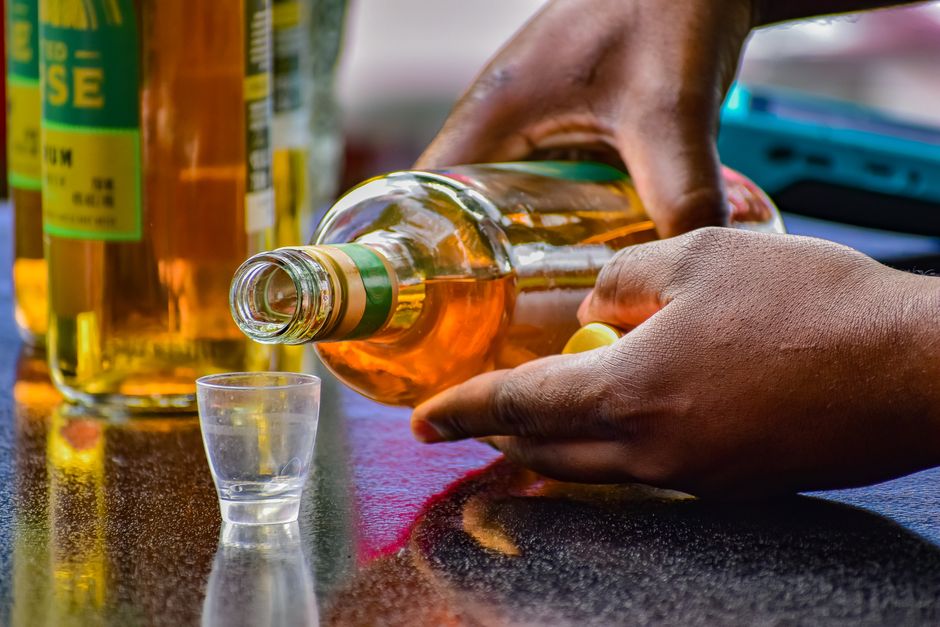
Alcohol makes you urinate more because it suppresses a hormone that tells your kidneys to hold onto water. That hormone is called vasopressin, or antidiuretic hormone (ADH). When alcohol lowers ADH, your kidneys stop reabsorbing as much water, so more of it leaves your body as urine. This is why a night of drinking often means repeated trips to the bathroom.
Why Does Alcohol Make You Urinate?
The short answer is hormones. Your body normally fine-tunes water balance with ADH, which is made in the brain and released by the pituitary gland. ADH travels through the blood to the kidneys and signals them to pull water back into the body instead of sending it out as urine.
Alcohol interferes with that signal. When you drink, alcohol reduces the release of ADH. With less ADH in circulation, the kidneys reabsorb less water. The result is more urine produced than the amount of fluid you just drank would normally cause.
This effect is called diuresis. It is not a sign that something is wrong with your kidneys. It is a predictable response to alcohol in most healthy people. The more you drink, the more pronounced the effect tends to be, though the exact response varies from person to person.
How Alcohol Affects Antidiuretic Hormone (ADH)
ADH is one of the main regulators of how much water your body keeps. It works on the kidneys’ collecting ducts, the tiny tubes where the final adjustments to urine are made. When ADH is present, those ducts become more permeable to water, and water moves back into the bloodstream.
Alcohol appears to reduce ADH release from the pituitary gland. With less ADH, the collecting ducts stay less permeable, so water stays in the urine instead of returning to the blood. This is a direct hormonal effect, not simply a matter of the volume of liquid you consumed.
There is a detail many people miss. The fluid in an alcoholic drink does count toward your hydration, but the hormonal effect pushes water out faster than your body can hold it. So you can drink a large volume of liquid and still end up losing more water than you took in.
The effect begins within roughly the first hour after drinking and can continue for several hours, depending on how much you drank and your body’s response.
Is It Just the Volume of Liquid You Drink?
No. If it were only about fluid volume, drinking the same amount of water would cause the same urination. It does not. The difference is the alcohol itself and its effect on ADH.
This is easy to test in your own experience. A large glass of water may send you to the bathroom once. The same volume as beer or wine, containing alcohol, often leads to more frequent urination. The alcohol changes how your kidneys handle the water.
Alcohol also acts as a mild irritant to the bladder in some people, which can increase the urge to go even when the bladder is not full. That is separate from the ADH effect but can add to the overall sense that you are urinating more.


Does Every Alcoholic Drink Have the Same Effect?
Different drinks can affect you differently, but the main driver is the amount of alcohol, not the type of drink. A standard drink of beer, wine, or spirits contains roughly the same amount of alcohol, and each can trigger the same hormonal response.
What often changes how you feel are the other ingredients. Carbonated drinks and mixers can add volume. Sugary mixers can add calories and affect how you feel the next day. But the diuretic effect itself comes from the alcohol.
Some people report that certain drinks make them urinate more than others. That can be real, but it usually reflects differences in alcohol content, serving size, and how fast you drink rather than a special property of one type of alcohol.
Why You Feel Dehydrated After Drinking
The extra urine you produce carries water out of your body. If you do not replace that water, you can become dehydrated. This is one reason a heavy drinking session can leave you with a dry mouth, headache, and fatigue the next day.
Dehydration is not the only cause of a hangover, and researchers do not fully agree on how much of a hangover it explains. But losing fluid through increased urination is a real contributor, and it is one of the more straightforward pieces of the puzzle.
Alcohol can also affect sleep quality and stomach irritation, which add to how you feel the next morning. The urination is just one part of a larger set of effects.
Does Alcohol Make You Lose Electrolytes Too?
Yes. When you urinate more, you also lose some electrolytes, including sodium and potassium. These minerals help regulate nerve signals, muscle function, and fluid balance.
For most healthy adults having an occasional drink, the body replaces these losses through normal eating and drinking. The concern grows with heavy or prolonged drinking, especially if food intake is low.
Severe electrolyte imbalances are more of a medical concern in cases of very heavy drinking or in people who are already unwell. If you are drinking heavily and not eating, that combination is worth taking seriously.
Who Should Be More Careful About Alcohol and Urination?
Some groups may notice the effects more or face higher risks.
- Older adults: The body’s ability to regulate fluid balance can change with age, and some medications interact with alcohol.
- People with kidney conditions: If your kidneys already have trouble regulating fluids, alcohol’s effect on ADH may matter more.
- People taking diuretics or certain medications: Some drugs also increase urination, and combining them with alcohol can amplify the effect.
- People with heart conditions: Fluid balance is closely tied to heart function, so changes in hydration can matter more.
- Pregnant people: No safe level of alcohol during pregnancy has been established, and the question of urination is secondary to that larger concern.
If you take prescription medication, ask a pharmacist or doctor whether alcohol interacts with it. This is a reasonable question to raise, and the answer depends on the specific drug.
Can You Reduce the Urination Effect?
You can reduce it by drinking less alcohol. That is the most direct approach. The effect scales with how much you drink, so cutting back tends to reduce the trips to the bathroom.
Alternating alcoholic drinks with water can help you stay hydrated, though it does not block the ADH effect. The alcohol still reduces ADH release; you are simply replacing some of the lost fluid. Some people find this helps them feel better the next day.
Eating before or while drinking can slow how quickly alcohol is absorbed, which may soften the peak effect. It does not eliminate it.
There is no proven way to fully prevent alcohol’s effect on ADH while still drinking alcohol. Any product claiming to do so should be viewed with skepticism unless it has been tested in human trials, and most have not.
When Frequent Urination Might Mean Something Else
If you urinate often even when you have not been drinking, that is a different situation. Frequent urination can have many causes, including diabetes, urinary tract infections, prostate problems in men, and certain medications.
Alcohol-related urination follows drinking and eases as the alcohol clears. Urination that persists, comes with pain or burning, or happens alongside unusual thirst or weight changes deserves a medical evaluation.
This is not a diagnosis you can make on your own from symptoms alone. Several conditions can produce similar patterns, and only a clinician can sort them out with tests.
Frequently Asked Questions
Why does alcohol make you pee so much?
Alcohol reduces the release of antidiuretic hormone (ADH), which normally tells your kidneys to hold onto water. With less ADH, your kidneys send more water out as urine.
Does beer make you urinate more than wine or spirits?
The main factor is the amount of alcohol, not the type of drink. Beer, wine, and spirits can all trigger the same hormonal effect when they contain similar amounts of alcohol.
How long does alcohol’s diuretic effect last?
It typically begins within about an hour of drinking and can continue for several hours. The duration depends on how much you drank and your individual response.
Can drinking water stop alcohol from making you urinate?
Drinking water can help replace lost fluid, but it does not block alcohol’s effect on ADH. The hormonal effect still occurs; you are just replenishing some of the water you lose.
