
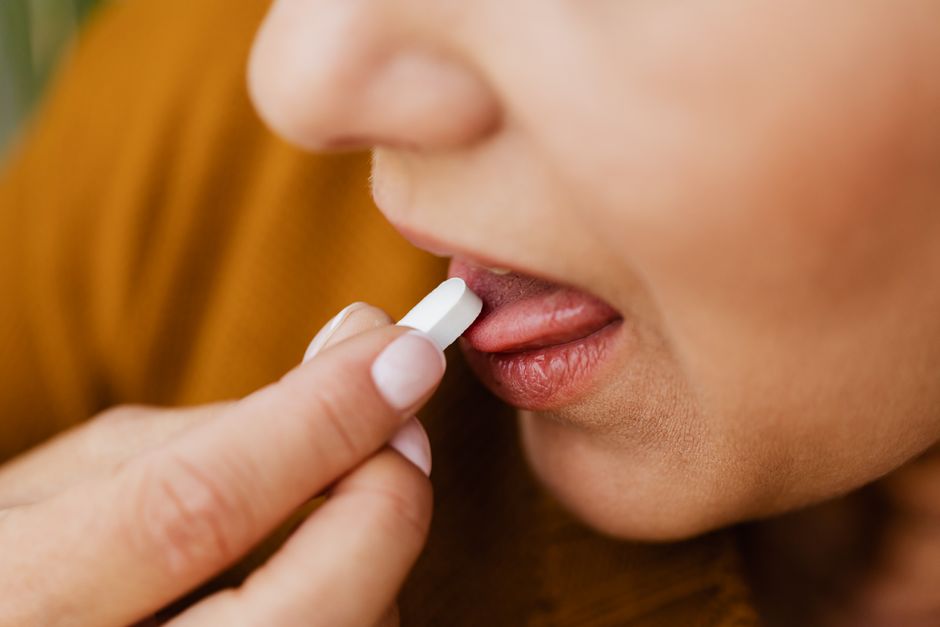
Adderall causes dry mouth because it activates the sympathetic nervous system, and that system controls saliva flow. When stimulants turn up this “fight or flight” response, the salivary glands slow down. Dry mouth is one of the most common side effects of amphetamine medications, and it is usually manageable with simple steps like drinking water, chewing sugar-free gum, and protecting your teeth.
Why Does Adderall Cause Dry Mouth And How To Manage It?
The mechanism is well established. Adderall is a combination of amphetamine salts, and amphetamines increase the activity of norepinephrine, a neurotransmitter that is part of the sympathetic nervous system. That system is built for emergencies. It speeds the heart, widens the airways, and redirects resources away from functions the body considers non-urgent at that moment.
Saliva production is one of those functions. The salivary glands are controlled by nerve signals, and when sympathetic activity rises, salivary flow drops. The result is less moisture in the mouth, and often a thicker or stickier feeling.
This is not a sign of harm to your body. It is a predictable drug effect. But “not harmful” is not the same as “not worth managing.” Saliva does real work, and a persistently dry mouth can cause problems over time.
What Saliva Actually Does
Saliva is mostly water, but it also contains enzymes, minerals, and proteins that protect the mouth. It helps break down food, makes swallowing comfortable, and neutralizes acids that would otherwise erode tooth enamel. It also washes away food particles and helps control the bacteria that cause cavities and gum disease.
When saliva flow drops, all of those jobs get harder. That is why dry mouth is not just a comfort issue. It is a dental health issue.
Is Dry Mouth A Common Side Effect Of Adderall?
Yes. Dry mouth is one of the most frequently reported side effects of amphetamine medications. It appears in the product labeling for Adderall and is widely documented in clinical experience with stimulants used to treat attention deficit hyperactivity disorder, or ADHD.
The severity varies a lot from person to person. Some people barely notice it. Others find it distracting, especially when it affects speaking or swallowing. Dose matters, and so does individual sensitivity. Some people notice it within an hour of taking a dose; for others it builds during the day.
It is not a sign that something has gone wrong with the medication itself. It is a direct consequence of how the drug works.
Does Dry Mouth From Adderall Go Away?
For many people, the worst of it eases after the first few weeks as the body adjusts to the medication. That adjustment is often called tolerance, though the word is used loosely here. It means the nervous system settles into a new baseline, and side effects that were strong at the start can become milder.
That is the general pattern reported in clinical practice. It is not a guarantee. Some people have dry mouth for as long as they take the medication, especially at higher doses. If dry mouth is persistent and bothersome, that is worth raising with the prescriber. Dose adjustments are sometimes possible, but that is a decision for the prescribing clinician, not something to change on your own.
Stopping a stimulant suddenly without medical guidance is not recommended. Discuss any changes with your prescriber first.
What Helps Dry Mouth From Adderall?
The most reliable steps are simple and low-risk. They focus on replacing moisture and protecting the teeth.
- Drink water regularly. Small sips throughout the day work better than large amounts at once. Keep a bottle within reach.
- Chew sugar-free gum or suck on sugar-free hard candy. Chewing and sucking stimulate saliva flow. Sugar-free matters because sugary products feed the bacteria that cause cavities, and a dry mouth makes those cavities more likely.
- Limit caffeine and alcohol. Both can increase fluid loss and worsen dryness. Caffeine is also a mild stimulant, which can add to the effect.
- Breathe through your nose when you can. Mouth breathing dries the mouth further, especially during sleep.
- Use a humidifier at night if the air in your bedroom is dry.
- Try over-the-counter saliva substitutes. These come as sprays, gels, and lozenges. They do not restore normal saliva, but many people find them helpful for comfort.
Prescription treatments for dry mouth exist, but they are generally used for conditions like Sjögren’s syndrome, where the salivary glands are damaged. They are not typically the first approach for medication-related dry mouth, and they come with their own side effects. Whether one is appropriate is a question for a clinician.
Why Dental Care Matters More On Adderall
This is the part people underestimate. Saliva is one of the mouth’s main defenses against tooth decay. When it drops for months or years, the risk of cavities and gum problems rises.
That does not mean Adderall damages teeth directly. It means the reduced saliva removes a layer of protection. The fix is not to stop the medication. The fix is to be more deliberate about dental care.
Practical steps include brushing twice a day with a fluoride toothpaste, flossing daily, and seeing a dentist regularly. Some dentists recommend fluoride rinses or extra fluoride treatments for people with chronic dry mouth. That is worth asking about at your next visit. Tell your dentist you take a medication that causes dry mouth. It changes how they assess your risk.
One clarification that often gets lost: dry mouth and thirst are not the same signal. You can have a dry mouth without being dehydrated. Drinking more water helps comfort, but if you are urinating much more than usual or feeling unusually thirsty all the time, that is worth mentioning to your prescriber, because it can point to other issues.
When Should You Talk To Your Prescriber About Dry Mouth?
Mild dryness that you can manage with water and gum is usually not a reason for concern. Bring it up at a routine visit so it is on the record.
Talk to your prescriber sooner if:
- The dryness is severe enough to make swallowing difficult
- You have trouble speaking or eating because of it
- You notice frequent cavities, tooth sensitivity, or gum problems
- You have sores in your mouth that do not heal
- Dry mouth started along with other new symptoms
These do not automatically mean something serious. They mean the symptom deserves a closer look rather than more gum.
It is also fair to ask whether your dose or timing could be adjusted. Some people find side effects are worse at certain points in the day. That information is useful to your clinician. Do not adjust the medication yourself.
Does Dry Mouth Mean The Medication Is Not Working?
No. Dry mouth is a side effect, not a measure of effectiveness. The two are separate. A person can have significant dry mouth and good symptom control, or mild dryness and a dose that needs revisiting.
It is easy to link a noticeable side effect to how well a drug is working, but that link is not supported. Effectiveness is judged by how your symptoms and daily functioning change, not by how dry your mouth feels.
Frequently Asked Questions
Does Adderall dry mouth ever go away completely?
For many people it eases within the first few weeks as the body adjusts. For others it persists for as long as the medication is taken, especially at higher doses.
What is the fastest way to relieve dry mouth from Adderall?
Sipping water and chewing sugar-free gum are the quickest low-risk options because chewing and sucking directly stimulate saliva flow. Sugar-free matters, since sugary gum adds cavity risk when saliva is already low.
Can Adderall cause permanent dry mouth?
There is no established evidence that stimulant-related dry mouth is permanent. It is generally expected to resolve after the medication is stopped, though the timeline varies and should be discussed with your prescriber.
Is dry mouth from Adderall a sign of dehydration?
Not necessarily. Dry mouth is caused by reduced saliva flow from nervous system activity, which is different from whole-body dehydration. If you also have unusual thirst or frequent urination, mention it to your prescriber.
