
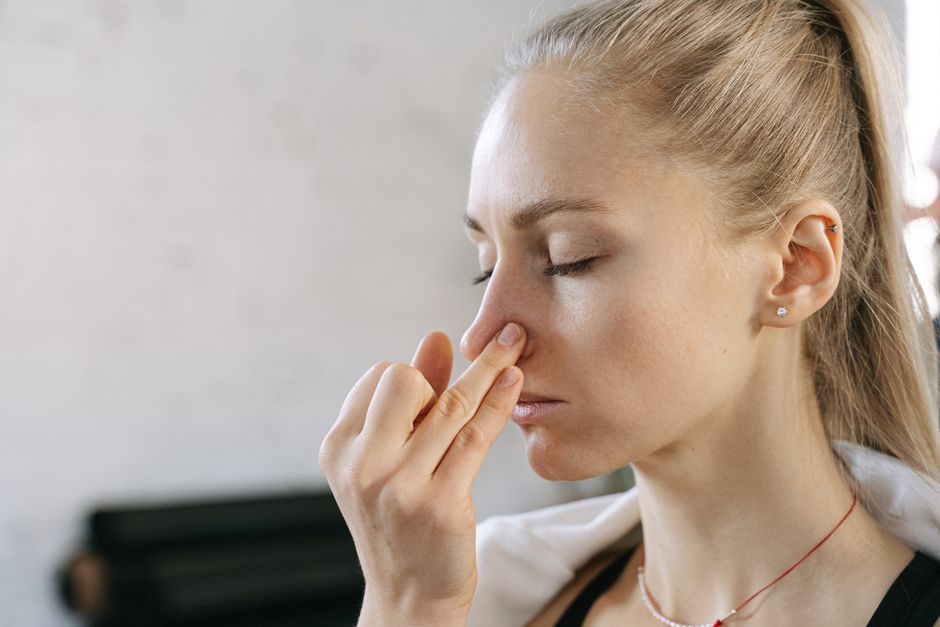
That sharp, stinging sensation inside your nose is hard to ignore. It can feel like a pinch, a burn, or even a tickle that makes your eyes water. The burning feeling usually comes from irritation or inflammation of the delicate lining inside your nostrils. This lining is thin and packed with tiny blood vessels and nerve endings, which makes it very sensitive to changes in the air, particles, or chemicals you breathe in.
Why Do Your Nostrils Burn? The Most Common Causes
The most frequent reason for a burning nose is dry air. When the air is very dry, especially in winter or in air-conditioned rooms, the moisture in your nasal passages evaporates quickly. This leaves the nasal lining dry, cracked, and irritated, which produces a burning sensation.
Other everyday causes include breathing in irritants like smoke, strong chemical fumes, or even spicy food particles. Allergies and the common cold also cause inflammation that can feel like a burn. In most cases, the feeling is temporary and goes away once the cause is removed.
What Happens Inside Your Nose When It Burns?
Your nose is lined with a mucous membrane. This tissue is similar to the inside of your mouth but is more delicate. It is covered in tiny hairs called cilia and a layer of mucus that traps dust and germs.
When something irritates this membrane, your body responds with inflammation. Blood vessels in the area widen to bring in immune cells. This widening causes swelling and redness. The nerve endings in the tissue send a signal to your brain that feels like burning or stinging. This is a protective response, alerting you that something is irritating your airway.
When the air is dry, the mucus layer thins out. Without that protective coating, the nerve endings are more exposed. Even normal airflow can then feel irritating. This is why a burning nose is so common in heated homes during winter or in airplane cabins.
Environmental Irritants That Cause Nasal Burning
Many common things in your environment can trigger a burning sensation. Cigarette smoke is a major culprit, whether you are smoking or breathing in secondhand smoke. The chemicals in smoke directly irritate the nasal lining.
Strong odors can also cause burning. These include:
- Cleaning products like bleach and ammonia
- Paint fumes and varnishes
- Perfumes and colognes
- Hair spray and other aerosols
- Air pollution and smog
- Chlorine in swimming pools
If you work in an environment with chemical exposure, your risk is higher. People who work in cleaning, painting, or manufacturing often report nasal burning. Wearing a mask or ensuring good ventilation can help reduce exposure. If the burning happens every time you are around a specific product, that product is likely the cause.





Weather and Climate Effects on Your Nasal Passages
Weather plays a big role in how your nose feels. Cold winter air holds very little moisture. When you breathe it in, your nose has to warm and humidify it quickly. This process pulls moisture from your nasal lining, leaving it dry and irritated.
Hot, dry climates have a similar effect. Desert air and strong winds can dry out the nasal passages quickly. Even hot, humid weather can cause problems for some people, especially if they are sensitive to mold or pollen that thrives in those conditions.
Sudden temperature changes can also trigger a response. Moving from a warm room into freezing outdoor air can cause a brief burning or stinging sensation. This is usually harmless and passes quickly as your nose adjusts. Using a humidifier in your home, especially in your bedroom at night, can help keep your nasal passages moist.
Allergies, Colds, and Infections
Allergic rhinitis, commonly called hay fever, causes inflammation in the nasal passages. When you breathe in an allergen like pollen or dust mites, your immune system overreacts. The resulting inflammation can cause burning, itching, and sneezing.
The common cold and other viral infections also inflame the nasal lining. The burning sensation often appears before other symptoms like congestion or a runny nose. This is because the virus infects the cells in your nasal passages first, triggering that inflammatory response.
In some cases, a bacterial infection can develop. Sinusitis, or a sinus infection, causes inflammation in the spaces around your nasal passages. This can cause a deep burning or pressure feeling in the face. If you have thick yellow or green discharge, facial pain, or a fever, you should see a doctor. These symptoms may indicate a bacterial infection that needs treatment.
When a Burning Nose Signals a Medical Condition
Sometimes a burning nose is a symptom of an underlying condition. Non-allergic rhinitis is a condition where the nose reacts to irritants without an allergic response. Triggers include changes in weather, certain medications, and strong smells. The symptoms are similar to allergies but no allergy is present.
Nasal polyps are soft, painless growths inside the nasal passages. They are not cancer, but they can cause ongoing irritation and a feeling of fullness. Some people with polyps report a burning or pressure sensation. Polyps are often linked to asthma and allergies.
A condition called atrophic rhinitis causes the nasal lining to thin and harden. This is less common but causes chronic dryness and a persistent burning feeling. People with this condition often have a reduced sense of smell.
If your burning nose lasts for more than a few weeks, or if it comes with nosebleeds, difficulty breathing, or a reduced sense of smell, see a doctor. Persistent symptoms deserve a professional evaluation. Do not assume a chronic condition will resolve on its own.
Home Remedies and Prevention for Nasal Burning
For occasional burning caused by dry air or mild irritants, simple home care often helps. A saline nasal spray or rinse can moisturize the nasal passages and wash away irritants. These are available over the counter and are generally safe for regular use.
Using a cool-mist humidifier in your home can add moisture to the air. This is especially helpful in winter or in dry climates. Keeping your home’s humidity between 30 and 50 percent is a reasonable target for comfort and health. Most humidifiers have a built-in hygrometer to measure this.
Staying hydrated helps your body produce enough mucus. Drinking water throughout the day keeps your nasal passages moist from the inside. Avoiding known irritants like smoke and strong chemicals is also important. If you must be around them, wear a mask.
For allergy-related burning, avoiding your specific triggers is the most effective approach. Keeping windows closed during high pollen seasons and using air filters can reduce exposure. Over-the-counter antihistamines may help, but you should follow the dosing instructions on the label.
When to See a Doctor for a Burning Nose
Most burning noses are not a medical emergency. However, certain signs should prompt you to seek medical care. If the burning is accompanied by a high fever, severe facial pain, or difficulty breathing, seek care promptly.
See a doctor if you have:
- Burning that lasts longer than two weeks
- Recurrent nosebleeds
- Thick, foul-smelling nasal discharge
- A feeling of pressure that does not go away
- Loss of smell that persists
These symptoms can indicate an infection or another condition that needs proper diagnosis. A doctor can examine your nasal passages and determine the cause. Do not use medicated nasal sprays for more than a few days without a doctor’s guidance. Overuse of decongestant sprays can actually make nasal burning worse over time.
Frequently Asked Questions
Can spicy food cause a burning sensation in the nose?
Yes, capsaicin in spicy foods can irritate the nasal lining and trigger a burning sensation, especially when you breathe in the vapors.
Is a burning nose a symptom of COVID-19?
Nasal burning has been reported in some cases, but it is not a primary or reliable symptom of COVID-19, which typically involves fever, cough, and loss of taste or smell.
How long does a burning nose usually last?
For temporary causes like dry air or mild irritants, the burning usually resolves within minutes to a few hours once the cause is removed, while allergy or cold-related burning may last several days.
Can nasal sprays make a burning nose worse?
Decongestant sprays can cause rebound congestion and increased irritation if used for more than three days, while plain saline sprays are generally safe for daily use.
