
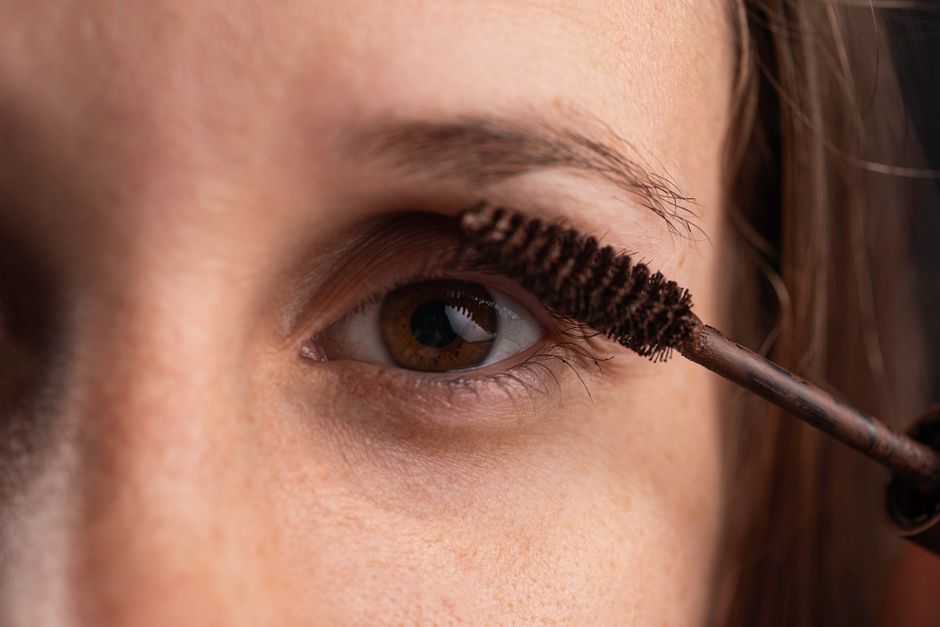
Losing a few eyelashes is normal. Like the hair on your scalp, eyelashes grow in cycles, and each lash eventually falls out to make room for a new one. Finding one or two on your pillow or on your cheek after rubbing your eye is not a sign of a problem. But if you are noticing more lashes than usual on your face, in the sink, or on your makeup remover pad — or if you see thin or bare patches along your lash line — that is worth paying attention to. The most common causes are everyday habits like eye rubbing and harsh makeup removal, irritation of the eyelid margin, and a handful of medical conditions. The right answer depends on which one is happening to you.
Why Do Your Eyelashes Keep Falling Out?
Eyelashes shed as part of a normal growth cycle, and increased shedding usually traces back to a specific trigger. The most frequent are mechanical (rubbing, pulling, harsh products), inflammatory (blepharitis, allergies), or hormonal and autoimmune conditions that affect hair follicles.
Each eyelash goes through three phases. There is a growth phase, a short transition phase, and a resting phase. At the end of the resting phase, the old lash falls out and a new one begins growing in the same follicle. Because lashes on different follicles are at different points in this cycle, you lose them gradually rather than all at once. A healthy adult typically has around 90 to 150 lashes on each upper lid and fewer on the lower lid, and losing a few per day fits within normal turnover.
What is not normal is a steady increase in shedding, visible gaps, or lashes that seem to break off rather than fall out. Those patterns point to something disrupting the cycle or damaging the lash itself. The sections below cover the main causes, from the most common and fixable to the ones that need a doctor.
What Is a Normal Amount of Eyelash Shedding?
There is no official daily number, but losing a few lashes a day is expected. The exact count is not well established, and it varies from person to person based on how fast your hair grows and how often you handle your eyes.
Here is a useful way to think about it. Your scalp hair grows for years before it sheds. Eyelashes are different. Their growth phase is short — measured in weeks rather than years — so lashes turn over much faster than scalp hair. That is why eyelashes are replaced more often, and why a small amount of daily loss is built into the system.
Signs that shedding has moved past normal include:
- More lashes than usual on your pillow, face, or makeup pad
- Thinning that you can see in the mirror, especially near the outer corners
- Small bald patches along the lash line
- Lashes that break off short instead of falling out whole
- Redness, crusting, or itching along the eyelid edge
If you check any of these, the cause is usually one of the conditions below rather than ordinary turnover.
Can Your Makeup and Skincare Routine Make Lashes Fall Out?
Yes. Everyday habits are among the most common and most fixable reasons for lash loss. The lash itself is fragile, and the follicle it grows from is sensitive to pulling and irritation.
Eye rubbing is a frequent culprit. Rubbing creates friction that can break lashes and, over time, irritate the follicle. Allergies and dry eye make you want to rub, which sets up a loop: irritation leads to rubbing, rubbing leads to more irritation and more lash loss.
Harsh makeup removal matters too. Waterproof mascara is designed to resist water, so it often needs a dedicated remover and gentle pressure. Pulling, tugging, or scrubbing at the lashes to get mascara off can pull them out prematurely. Sleeping in mascara is another common habit that leaves lashes brittle and more likely to break.
Eyelash curlers deserve a mention. Used carefully, they are generally fine. Used with too much pressure or on lashes still coated in mascara, they can crimp and snap lashes. Lash extensions and the adhesives used to apply them can also cause irritation or traction on the natural lash, and some people react to the glue. If you notice shedding after starting extensions, that is a reason to talk to your lash technician or stop.
One non-obvious point: eyelash growth serums sold without a prescription vary widely in what they contain, and many have not been tested in large human trials. Some prescription options exist, but they require a doctor and carry real side effects. Over-the-counter serums marketed for lash growth should not be assumed to work just because the ingredients sound plausible.




What Medical Conditions Cause Eyelash Loss?
Several medical conditions cause eyelash shedding, and they tend to produce patterns you can recognize. A doctor can usually sort out which one is present with an exam.
Blepharitis is inflammation of the eyelid margin, where the lashes grow. It is common and often causes redness, crusting, itching, and lash loss. The lashes may fall out or grow in the wrong direction. Blepharitis is frequently associated with skin conditions like rosacea and with oil gland dysfunction along the lid. It is treatable, and eyelid hygiene is a standard part of management.
Allergies affecting the eyes cause itching and rubbing, which leads to mechanical lash loss. Seasonal allergies and reactions to cosmetics or contact lens solutions fall here.
Thyroid disease can affect hair growth across the body, including the eyebrows and eyelashes. Both an overactive and an underactive thyroid have been linked to hair changes, and thinning of the outer eyebrows is a recognized sign. If lash loss comes with fatigue, weight changes, or temperature sensitivity, thyroid testing may be reasonable.
Alopecia areata is an autoimmune condition in which the immune system attacks hair follicles. It can cause patchy hair loss on the scalp, eyebrows, and eyelashes. Lash loss from alopecia areata often appears as distinct bare patches rather than diffuse thinning.
Skin conditions affecting the eyelid, including some forms of eczema and rosacea, can cause inflammation that leads to lash loss.
Infections of the eyelid, such as styes and certain mite infestations of the lash follicles, can cause lashes to fall out. These usually come with other signs like a tender bump, crusting, or itching.
In each case, the lash loss is a symptom, not the disease itself. That is why treating the underlying condition is what restores the lashes.
Can Medication and Medical Treatment Cause Eyelash Loss?
Yes, and this is one of the most often overlooked causes. Some medications and medical treatments affect hair growth, and the eyelashes are not spared.
Chemotherapy is well known to cause hair loss, including loss of eyebrows and eyelashes. The timing and recovery vary by drug and person, and regrowth usually follows after treatment ends, though it can take time.
Some other medications have been associated with hair loss in some people. This is not a reason to stop a prescribed medicine on your own. If you suspect a medication is affecting your lashes, the right step is to raise it with the prescriber, who can weigh the benefits and alternatives.
Radiation therapy to the area around the eye can affect lashes in the treated region.
There is also a category of treatment that works the other way: some prescription products are used specifically to encourage lash growth. These require a doctor’s involvement and carry side effects, including possible changes to eye color and skin pigmentation around the eye. They are not casual cosmetics, and they are not appropriate for everyone.
When Should You See a Doctor About Eyelash Loss?
See a doctor if lash loss is patchy, comes with eyelid redness, swelling, crusting, or pain, or does not improve after you stop rubbing and switch to gentler eye care. Those signs point to a condition that needs diagnosis rather than a habit you can fix alone.
Also seek care if the loss is sudden, if you have other unexplained hair loss, or if you notice changes in your vision, eye pain, or a growing lump on the eyelid. A doctor can examine the lid margin, check for signs of blepharitis or infection, and decide whether testing — such as thyroid function — makes sense.
One clarification worth keeping in mind: eyelash loss is rarely an emergency on its own. The exception is when it comes with an eye infection, significant swelling, or vision changes, which should be checked promptly.
What Can You Do to Protect Your Eyelashes?
Gentle eye care is the most reliable way to prevent the everyday causes of lash loss. The goal is to stop pulling and irritation, and to treat any underlying condition.
Practical steps that fit what is generally recommended:
- Stop rubbing your eyes. If itching is the trigger, treat the allergy or dry eye instead.
- Remove eye makeup gently every night with a product made for the purpose, using light pressure rather than scrubbing.
- Avoid sleeping in mascara.
- Use eyelash curlers sparingly and never on mascara-coated lashes.
- Wash your hands before touching your eyes or handling contact lenses.
- If you use extensions, follow your technician’s care instructions and stop if you notice irritation.
- For blepharitis, eyelid hygiene — gentle cleaning of the lid margin — is a standard part of care, often recommended by eye doctors.
Be cautious with any product that promises to regrow lashes. The evidence for most over-the-counter lash serums is limited, and no large human trials have confirmed that they work. If lash loss is significant or persistent, a doctor is a better starting point than a new serum.
Frequently Asked Questions
How many eyelashes fall out a day?
There is no official daily number, but losing a few lashes a day is normal because lashes turn over faster than scalp hair. A visible increase in shedding or bare patches is what warrants attention.
Can stress make your eyelashes fall out?
Stress is not a well-established direct cause of eyelash loss, though it can worsen habits like eye rubbing and can aggravate some skin and hair conditions. The evidence linking stress alone to lash shedding is limited.
Will eyelashes grow back after falling out?
In most cases yes, because the follicle remains and a new lash grows in its place once the underlying cause is addressed. Regrowth depends on the cause, and some conditions or treatments can slow it.
Does mascara cause eyelash loss?
Mascara itself is not a proven cause, but harsh removal, tugging, and sleeping in it can break or pull out lashes. Gentle removal and not sleeping in makeup reduce that risk.
