
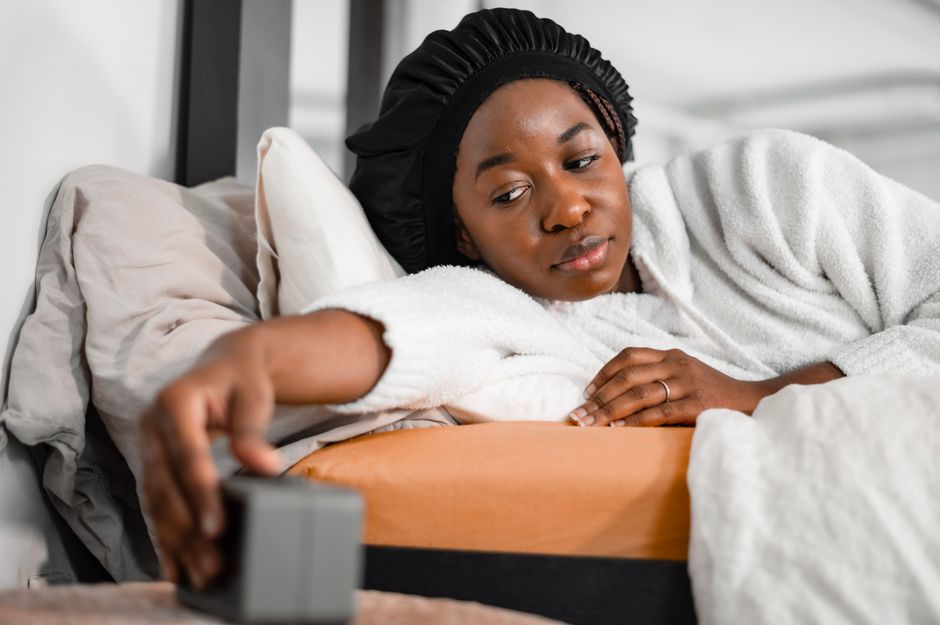
Waking up anxious is common, and it usually has a physiological explanation. In the early morning hours, your body ramps up production of cortisol — a hormone that helps you wake up and face the day. This rise is normal. But when it happens faster or stronger than usual, or when your sleep has been disrupted, you can wake already tense, worried, or on edge before your feet hit the floor. For many people, morning anxiety is not a sign that something is wrong with their mind. It is a sign that their stress system and their sleep system are out of step.
Why Do You Wake Up Anxious?
Morning anxiety comes from the overlap of two normal body processes: the cortisol awakening response and the natural end of your sleep cycle.
Cortisol is not a “stress hormone” in the way most people mean it. It is a hormone your body releases in a daily rhythm. Levels are lowest around midnight and begin climbing in the early morning hours, peaking roughly 30 to 45 minutes after you wake. This spike gives you energy, raises blood sugar, and helps you transition from sleep to alertness.
When you are under ongoing stress, sleep-deprived, or anxious in general, this system can become sensitized. The same cortisol rise that should feel like a gentle wake-up can feel like dread. Your heart rate may be slightly elevated. Your thoughts may race before you are fully awake.
Anxiety itself is a state of anticipatory threat. In the morning, before you have had time to orient yourself, your brain is essentially guessing what kind of day is coming. If your baseline stress is high, that guess tends toward threat. The feeling is real and it has a physical basis — it is not a character flaw or a lack of willpower.
Is Waking Up Anxious a Sign of an Anxiety Disorder?
Not necessarily. Waking up anxious occasionally is normal and does not by itself indicate a disorder.
An anxiety disorder diagnosis depends on how persistent, intense, and impairing the anxiety is — not on the time of day it happens. Clinicians look at whether symptoms last for months, whether they interfere with work or relationships, and whether they cause significant distress. Morning anxiety can be a symptom of generalized anxiety disorder, panic disorder, or social anxiety, but it can also occur in people who do not meet criteria for any of these.
One pattern worth knowing: nocturnal panic attacks. These are panic attacks that wake a person from sleep, often in the first few hours after falling asleep. They are different from morning anxiety, which happens as you wake. Nocturnal panic attacks are more associated with panic disorder and can be frightening because there is no obvious trigger.
If morning anxiety is happening most days, lasting for weeks or months, and affecting your ability to function, that is a reason to talk to a clinician. Not because something is definitely wrong, but because persistent anxiety is treatable and worth addressing.
How Does Poor Sleep Cause Morning Anxiety?
Sleep loss and anxiety feed each other. This is one of the more well-established relationships in sleep research.
When you do not get enough sleep, or your sleep is fragmented, the part of your brain that regulates fear and emotional response — the amygdala — becomes more reactive. At the same time, the prefrontal cortex, which normally helps you reason through worry, becomes less effective at calming that response. The result is that you wake up with a stress system that is already primed and a reasoning system that is not yet fully online.
Sleep apnea is a specific and often overlooked cause. In obstructive sleep apnea, breathing repeatedly stops and restarts during sleep. This causes brief drops in oxygen and frequent micro-awakenings that the sleeper often does not remember. People with untreated sleep apnea frequently report waking with a racing heart, a sense of panic, or unexplained anxiety. If you snore heavily, wake with a dry mouth or headache, or feel unrefreshed despite a full night’s sleep, sleep apnea is worth discussing with a doctor.
Other sleep-related factors that can contribute:
- Going to bed at inconsistent times, which disrupts the cortisol rhythm
- Alcohol in the evening, which fragments sleep in the second half of the night
- Late-night screen use and bright light, which can delay melatonin release
- Sleeping in a room that is too warm, which disrupts deep sleep




What Medical Conditions Can Cause Morning Anxiety?
Several physical conditions can produce symptoms that look like morning anxiety. This is why persistent morning anxiety deserves a medical evaluation rather than being assumed to be psychological.
Hypoglycemia (low blood sugar) can cause shakiness, heart palpitations, and a feeling of dread — especially in people who take insulin or certain diabetes medications. Morning symptoms can occur after an overnight fast. This is a specific concern for people with diabetes and should be discussed with a doctor rather than self-managed.
Hyperthyroidism causes the thyroid gland to produce too much hormone. Symptoms include a rapid or irregular heartbeat, nervousness, irritability, trouble sleeping, and unexplained weight loss. These can feel identical to anxiety.
Obstructive sleep apnea, as described above, is a common contributor that is frequently missed.
Medication side effects are another possibility. Some asthma medications, decongestants, and thyroid medications can cause jitteriness or a racing heart, particularly if taken close to bedtime.
Alcohol withdrawal is a well-documented cause of early-morning anxiety in people who drink heavily or regularly. As blood alcohol levels fall during sleep, the nervous system rebounds into a hyperexcitable state. This can produce waking anxiety, sweating, and a rapid heart rate.
None of these can be diagnosed from symptoms alone. A clinician can order blood tests, a sleep study, or a medication review to sort out what is happening.
Why Is Morning Anxiety Worse Some Days Than Others?
The intensity of morning anxiety varies because it reflects the sum of several inputs — sleep quality, stress load, blood sugar, alcohol, and your underlying anxiety level.
A night of poor sleep, a stressful week, or a few drinks the evening before can all make the next morning noticeably worse. This variability is normal and does not mean the underlying pattern is random. It means the system is responding to what you gave it.
Anticipation also matters. If you have a stressful event coming — a medical appointment, a difficult conversation, a deadline — your brain may begin preparing for it before you are conscious of the thought. This is sometimes called anticipatory anxiety, and it commonly shows up in the morning because that is when your cognitive system comes back online.
There is also a learned component. If you have woken up anxious many times, your brain may begin to expect it. The expectation itself can trigger a mild stress response before anything has actually happened. This is not a sign of weakness. It is how the brain learns patterns.
What Helps With Morning Anxiety?
The most effective approaches address the underlying drivers — sleep, stress, and any medical contributors — rather than trying to suppress the feeling in the moment.
For many people, improving sleep consistency is the single most useful step. Going to bed and waking at roughly the same time each day helps stabilize the cortisol rhythm. So does getting morning light exposure, which reinforces the body’s natural wake signal.
Limiting alcohol in the evening can reduce early-morning symptoms significantly, particularly for people who notice that their anxiety is worse after drinking.
Slow breathing — extending the exhale to be longer than the inhale — activates the parasympathetic nervous system, which is the branch of the nervous system responsible for calming. This is a well-established physiological effect. It is not a cure for an anxiety disorder, but it can reduce the intensity of a morning spike.
If morning anxiety is persistent, cognitive behavioral therapy (CBT) has the strongest evidence base of any psychological treatment for anxiety disorders. It is not a quick fix, and it does not work for everyone, but the evidence supporting it is substantial.
Medication may be appropriate for some people. This is a decision to make with a clinician, not from an article. The evidence for medication in anxiety disorders is meaningful but not universal, and side effects and individual response vary widely.
What does not have strong evidence: most supplements marketed for anxiety. Some, like certain herbal products, have preliminary research but no large human trials confirming benefit. Others have no meaningful evidence at all. If a product claims to “cure” morning anxiety, that claim is not supported by clinical research.
Frequently Asked Questions
Is it normal to wake up anxious every day?
Waking up anxious occasionally is normal, but waking up anxious every day for weeks or months is not typical and is worth discussing with a clinician. Persistent morning anxiety can be a sign of an anxiety disorder, a sleep problem, or a medical condition.
What hormone causes morning anxiety?
Cortisol is the primary hormone involved. It naturally rises in the early morning to help you wake up, and in people under stress or with disrupted sleep, this rise can feel like anxiety.
Can low blood sugar cause morning anxiety?
Yes. Low blood sugar overnight can cause shakiness, a racing heart, and a feeling of dread upon waking. This is most relevant for people with diabetes who take insulin or certain medications.
When should I see a doctor about morning anxiety?
See a doctor if morning anxiety happens most days, lasts for weeks, disrupts your sleep or daily functioning, or comes with physical symptoms like a racing heart or shortness of breath. These can have treatable medical causes.
