
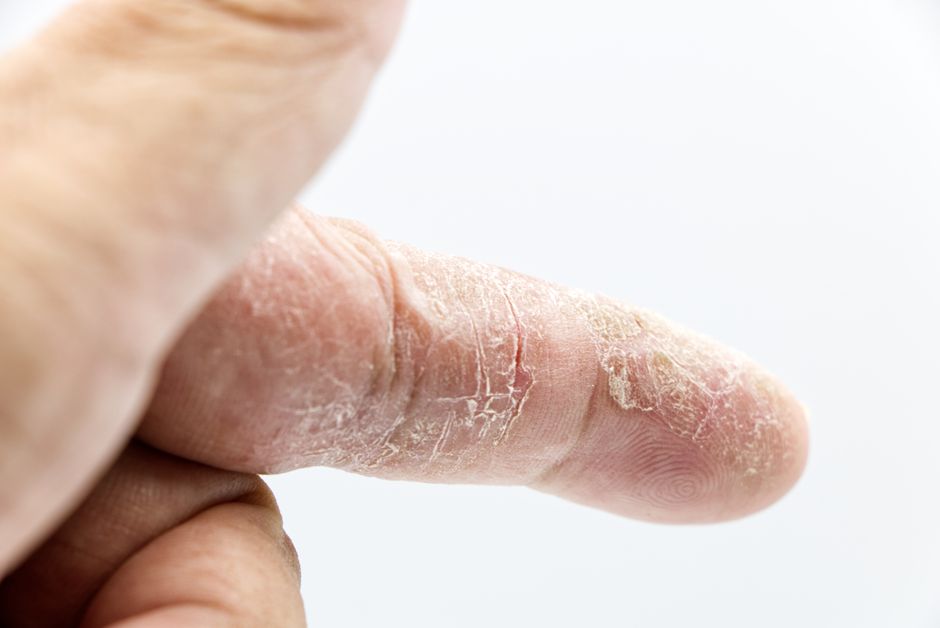
Crusty scabs on your scalp are usually the result of a skin condition that causes inflammation, flaking, and scratching. When you scratch an itchy scalp, you damage the skin, and the body responds by forming a scab to protect the wound. The most common culprits are seborrheic dermatitis, psoriasis, and contact dermatitis, but the specific cause determines how you should treat it.
What Causes Crusty Scabs on the Scalp?
Several conditions can lead to crusty scabs, and they are not all the same. The most common cause is seborrheic dermatitis, a chronic inflammatory condition that affects areas of the skin rich in oil glands. It causes greasy, yellowish scales that can crust over.
Another frequent cause is scalp psoriasis. This autoimmune condition speeds up the skin cell life cycle, causing thick, silvery scales to build up. When these scales are picked or scratched, they leave raw areas that scab.
Contact dermatitis happens when your scalp reacts to a product. Hair dye, shampoo, or styling products can trigger an allergic reaction or irritation that leads to itching, weeping, and crusting.
In some cases, the scabs come from an infection. Bacterial infections like impetigo or fungal infections like tinea capitis (ringworm of the scalp) can produce crusty lesions. These require medical treatment and do not resolve with home care alone.
Why Do You Have Crusty Scabs On Your Scalp If You Don’t Scratch?
It is possible to develop crusty scabs without noticeable scratching. Some people scratch during sleep without realizing it. Others have conditions where the skin breaks down on its own.
In seborrheic dermatitis, the skin barrier is compromised. The inflammation itself can cause small cracks and weeping that dry into crusts. In psoriasis, the rapid buildup of skin cells can lift and crack, forming crusts without any external trauma.
If you never scratch and still have scabs, the cause is likely inflammatory rather than mechanical. This distinction matters because treatment for inflammation differs from treatment for a wound.
Is It Dandruff or Something More Serious?
Dandruff is mild seborrheic dermatitis. It produces loose, white flakes that fall from the scalp. Crusty scabs are different. They are attached to the scalp, often painful, and indicate deeper skin involvement.
Dandruff flakes are dead skin cells that shed continuously. Scabs are dried blood, serum, and skin cells that form over a break in the skin. If you have crusty patches rather than loose flakes, you are dealing with a more active inflammatory process.
Some research suggests that Malassezia, a yeast that naturally lives on the scalp, plays a role in seborrheic dermatitis. When the skin overreacts to this yeast, it produces inflammation and scaling. This explains why antifungal shampoos help some people with this condition.





When Should You See a Doctor About Scalp Scabs?
Most scalp scabs are not emergencies, but some signs warrant a medical evaluation. See a doctor if the scabs are spreading, if they are painful, or if you notice hair loss in the affected areas.
Seek prompt medical attention if the scabs ooze pus, if you have a fever, or if the area feels warm to the touch. These signs suggest a bacterial infection that may require prescription treatment.
If over-the-counter dandruff shampoos and gentle care have not improved the condition after several weeks, a dermatologist can provide a precise diagnosis. Scalp psoriasis and seborrheic dermatitis can look similar but require different treatments.
How to Treat Crusty Scabs on the Scalp at Home
Home treatment depends on the underlying cause. For seborrheic dermatitis, medicated shampoos containing ketoconazole, selenium sulfide, or zinc pyrithione are the first-line options. These reduce the yeast and inflammation that drive the condition.
For scalp psoriasis, shampoos containing salicylic acid or coal tar can help soften and remove scales. These are available over the counter, but they take time to work. Consistency matters more than intensity.
For contact dermatitis, the treatment is simple: stop using the product that caused the reaction. The skin usually heals within a few weeks once the irritant is removed.
Regardless of the cause, do not pick at the scabs. Picking removes the protective barrier and increases the risk of infection. It also triggers more inflammation, which can make the underlying condition worse.
Gentle washing with a mild shampoo can help soften scabs so they shed naturally. Avoid hot water, which can worsen inflammation. Pat the scalp dry rather than rubbing it.
Can Stress Make Scalp Scabs Worse?
Yes. Stress is a well-documented trigger for both seborrheic dermatitis and psoriasis. When stress levels rise, the immune system shifts and inflammation increases. This can cause existing scaly patches to flare and new ones to appear.
The relationship works both ways. An itchy, crusty scalp causes distress, which raises stress, which worsens the skin. Breaking this cycle often requires treating both the skin and the stress.
Some studies indicate that stress management techniques like mindfulness and adequate sleep may reduce flare frequency. The evidence is not strong enough to call these treatments, but they are reasonable additions to a skin care routine.
What Happens If You Leave Scalp Scabs Untreated?
Leaving mild scalp scabs alone is generally safe. The skin will heal on its own if the underlying cause resolves. However, if the cause is a chronic condition like psoriasis or seborrheic dermatitis, the scabs will likely return.
Untreated bacterial infections can spread. What starts as a small crusty patch can become a larger, painful infection that requires oral antibiotics. This is rare, but it happens.
Repeated scratching and scabbing can lead to permanent hair loss. The inflammation damages hair follicles, and scar tissue can form. Once follicles are destroyed, hair does not regrow.
Are There Natural Remedies That Work?
Some natural remedies have limited evidence behind them. Tea tree oil has antifungal properties, and some research suggests it may help with mild dandruff. However, it can irritate sensitive skin, so it should be diluted and used with caution.
Aloe vera gel is soothing and may reduce inflammation, but no large clinical trials have confirmed its effectiveness for scalp scabs specifically. Coconut oil can moisturize dry skin but may worsen seborrheic dermatitis in some people because the yeast that drives the condition feeds on certain oils.
The honest position is that natural remedies have not been studied well for this specific problem. If you want to try them, use them alongside, not instead of, proven treatments. Stop using any remedy that causes burning or increased itching.
How to Prevent Crusty Scabs From Coming Back
Prevention focuses on managing the underlying condition. If you have seborrheic dermatitis, using a medicated shampoo once or twice a week can keep the yeast population in check even when you have no symptoms.
For psoriasis, identifying your personal triggers helps. Common triggers include stress, cold weather, alcohol, and certain medications. Avoiding your specific triggers reduces flare frequency.
For contact dermatitis, prevention means avoiding the offending product permanently. Read ingredient labels carefully, because the same allergen can appear in different products.
Good scalp hygiene helps everyone. Wash regularly enough to remove oil and product buildup, but not so often that you strip the skin of its natural moisture. For most people, washing two to three times per week is sufficient.
Frequently Asked Questions
Can hair dye cause crusty scabs on the scalp?
Yes, hair dye is a common cause of contact dermatitis on the scalp. The reaction can cause itching, burning, and crusting that appears within days of applying the dye.
Are crusty scabs on the scalp a sign of cancer?
Skin cancer on the scalp is rare but possible, especially in people with significant sun exposure. A crusty spot that bleeds easily, grows, or does not heal for more than a month should be examined by a dermatologist.
How long do scalp scabs take to heal?
Minor scabs from scratching typically heal within one to two weeks if you stop picking at them. Scabs from chronic conditions like psoriasis or seborrheic dermatitis may persist or recur until the underlying condition is treated.
Should I scrub crusty scabs off my scalp?
No. Scrubbing removes the protective scab and increases the risk of infection and scarring. Let scabs fall off naturally or soften them with a gentle shampoo and warm water.
