
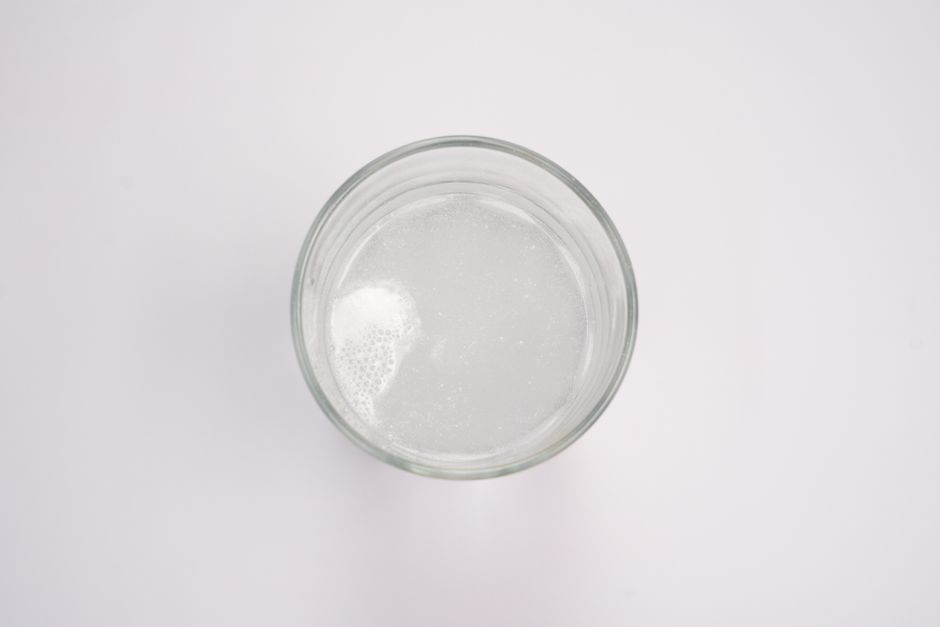
You finish urinating, glance down, and notice foam or bubbles floating on the surface of the water. It can be startling. For most people, most of the time, this is not a sign of anything serious. The usual explanation is simple: urine is mostly water, and when it hits the water in the bowl with enough force, it traps air and creates bubbles. A fast stream or a full bladder can do this on its own. Sometimes the cause is a harmless chemical change in the urine itself. In a smaller number of cases, lasting foam points to protein leaking into the urine, which is worth getting checked.
Why Do You Have Bubbles In Your Urine?
The short answer is that bubbles form when air gets trapped in liquid. Urine is a water-based fluid, and like any liquid, it will foam when it is agitated or when its surface tension changes.
Two things drive this. The first is mechanical force — how fast and how hard the urine stream hits the water. The second is the chemistry of the urine itself. Certain dissolved substances make bubbles last longer, the same way soap makes bubbles in a sink. When the bubbles pop quickly and disappear, that usually points to simple agitation. When a layer of foam sits there and does not clear, that is when it is worth paying attention.
This distinction matters. Passing bubbles once is common and rarely means anything. Foam that appears every time, and lingers, is the pattern that can signal protein in the urine.
What Are The Most Common Harmless Causes?
Speed and force are the leading reasons. A full bladder and a strong stream churn up the water in the bowl. So does urinating from a height, or hitting the water directly rather than the side of the bowl. This kind of bubbling clears within seconds.
Concentration plays a role too. When urine is more concentrated — after a night’s sleep, after exercise, or when you have not had much to drink — it contains less water relative to dissolved waste products. That can change how it foams. Dehydration is a common and easily fixed contributor.
Other everyday factors include:
- Toilet cleaners or residues in the bowl that create foam when mixed with liquid
- Rapid urination after holding it for a long time
- Certain foods and medications that change urine’s composition slightly
None of these reflect a problem with your kidneys. They are about physics and chemistry, not disease.
When Do Bubbles Mean Protein In Urine?
Protein in the urine is called proteinuria. It is the main medical reason doctors care about persistent foam. Healthy kidneys act as a filter. They keep large molecules like protein in the blood and let waste products pass into the urine. When that filter is damaged or overwhelmed, protein slips through.
Protein changes the surface tension of urine, which is why it can produce a frothy, soap-like layer that stays put. The key word is persistent. Occasional bubbles are not the concern. Foam that is there every time you urinate, that sits on the surface and does not break up, is the pattern that warrants a urine test.
It is important not to jump to conclusions. Foamy urine alone does not confirm kidney disease. Many people with foam have normal kidneys, and many people with early kidney problems have no foam at all. The only way to know is to measure the protein in your urine, which a simple test can do.





What Else Can Cause Foamy Urine?
Protein is not the only possibility. Several other conditions can change how urine looks.
Urinary tract infections can produce cloudy or bubbly urine, often along with burning, urgency, or a strong smell. Kidney problems of various kinds can affect protein handling. In some cases, a condition called vesicoureteral reflux, where urine flows backward from the bladder toward the kidneys, can contribute to foamy urine.
There is also a less obvious cause worth knowing about. A connection between the bowel and the bladder — called a fistula — can allow gas or stool to enter the urinary tract, producing bubbles or air in the urine. This is uncommon, but it is a real cause and typically comes with other signs like recurrent infections or passing gas during urination.
Rarely, a condition called pneumaturia involves actual gas in the urine, which can also create bubbles. This is not the same as surface foam and usually points to a specific underlying issue that a doctor needs to evaluate.
The point is that foam has several possible explanations, and most of them are not serious. A doctor can sort out which one applies to you.
How Do You Tell The Difference Between Harmless And Concerning Bubbles?
You cannot diagnose yourself from the toilet bowl, but a few observations help you decide whether to see a doctor.
| Sign | Usually harmless | Worth checking |
|---|---|---|
| How long bubbles last | Pop within seconds | Foam layer persists |
| How often it happens | Occasionally | Every time you urinate |
| Urine appearance | Clear or pale yellow | Cloudy, dark, or bloody |
| Other symptoms | None | Swelling, fatigue, pain, burning |
Swelling in the ankles, feet, or around the eyes can be a sign of protein loss. So can unexplained fatigue or foamy urine that appears alongside these changes. If any of these are present, a urine test is a reasonable next step.
One clarification that trips people up: the amount of foam does not reliably tell you how much protein is present. You cannot judge severity by looking. Only a test can do that.
How Is Foamy Urine Evaluated By A Doctor?
Evaluation almost always starts with a urinalysis, a simple urine test. A dipstick can detect protein, and if it is positive, the sample may be sent for more precise measurement. Sometimes a doctor collects urine over 24 hours to quantify how much protein is being lost.
If protein is confirmed, further testing may look at kidney function through blood tests, and imaging may be used in some cases. The goal is to find out whether the protein is temporary or reflects an ongoing kidney issue.
Not all protein in urine is a problem. Some people have what is called orthostatic proteinuria, where protein appears only when they are upright and disappears when they lie down. This is generally benign and more common in younger people. Temporary protein can also follow intense exercise, fever, or dehydration. These causes usually resolve on their own.
This is why a single positive test is not the end of the story. Doctors often repeat testing to see whether the finding is consistent.
Should You Be Worried?
For most people, the answer is no. Bubbles in urine are common and usually reflect nothing more than how the stream hit the water or how concentrated the urine was.
The reasonable approach is to notice patterns rather than single events. If foam is occasional and clears fast, there is little to act on. If it is persistent, or comes with swelling, fatigue, or changes in urine color, a simple urine test can give you a clear answer. That test is inexpensive, quick, and non-invasive.
There is no harm in getting checked if you are unsure. There is also no benefit in assuming the worst from a bowl of bubbles. The evidence points to a wide gap between what foam looks like and what it means — and a urine test is what closes that gap.
Frequently Asked Questions
Is it normal to have bubbles in your urine?
Yes, occasionally having bubbles is normal and usually caused by the force of the stream or by concentrated urine. It only becomes worth investigating when the foam is persistent or comes with other symptoms.
Can dehydration cause bubbles in urine?
Yes, concentrated urine from dehydration can foam more easily because it has less water relative to dissolved waste. Drinking enough fluids often resolves this on its own.
Does foamy urine always mean kidney disease?
No, foamy urine does not always mean kidney disease, and many people with foam have normal kidneys. Persistent foam can be a sign of protein in the urine, which a simple urine test can confirm or rule out.
When should I see a doctor about bubbles in my urine?
See a doctor if the foam is there every time you urinate, if it does not clear, or if you also have swelling, fatigue, or changes in urine color. A urinalysis can identify whether protein is present.
