
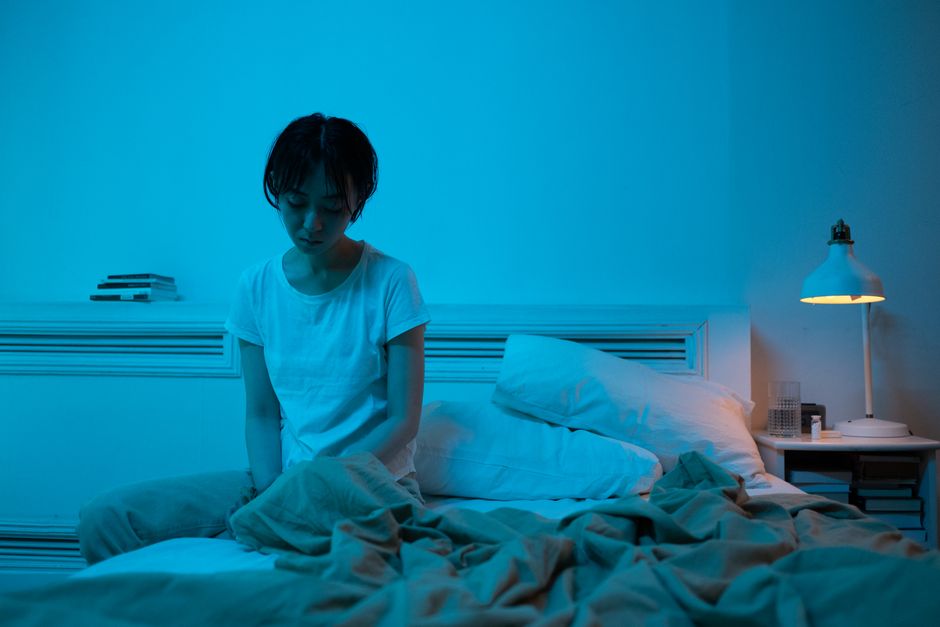
Waking up drenched in sweat or kicking off the blankets in the middle of the night is frustrating. Your body’s core temperature naturally drops as you fall asleep, but several factors can push it back up. The most common reasons include your sleep environment, bedding choices, hormones, and certain medical conditions that affect your body’s thermostat.
Why Does My Body Temperature Spike at Night?
Your body follows a 24-hour internal clock called the circadian rhythm. This rhythm regulates when you feel alert and when you feel sleepy. As part of this cycle, your core body temperature begins to drop in the evening to prepare you for sleep. It reaches its lowest point in the early morning hours.
When this natural cooling process is disrupted, you feel hot. The disruption can come from outside sources, like a warm room, or from internal changes, like hormone shifts. Your body may also be responding to something it sees as a threat, such as an infection. Understanding the trigger is the first step to fixing the problem.
Is It Just the Room Temperature or My Blankets?
Before looking at medical causes, check your sleep environment. The ideal bedroom temperature for most adults is between 60 and 67 degrees Fahrenheit. If your room is warmer than this, your body struggles to release heat.
Your bedding matters just as much as the thermostat. Memory foam mattresses and thick comforters trap body heat. Synthetic fabrics like polyester do not breathe well and hold moisture against your skin. If you wake up hot, try switching to natural fibers like cotton or bamboo. These materials allow air to circulate and wick sweat away from your body.
Your pajamas also play a role. Wearing heavy or tight clothing to bed can raise your skin temperature. Loose, lightweight sleepwear made from breathable fabric helps your body regulate its temperature through the night.
Can Hormones Cause Night Sweats?
Hormones are a leading cause of nighttime overheating, especially in women. Perimenopause and menopause cause significant drops in estrogen. This change affects the hypothalamus, the part of the brain that controls body temperature. When estrogen levels fluctuate, the hypothalamus may mistakenly think the body is too hot and trigger sweating to cool it down.
These events are called hot flashes. When they happen during sleep, they are often called night sweats. They can occur for years before and after your final menstrual period. Some women experience them during pregnancy as well, particularly in the first and third trimesters, when hormone levels change rapidly.
Men can also experience hormone-related night sweats. Low testosterone levels can contribute to temperature regulation issues, though this is less common than estrogen-related causes in women. If hormone changes are the cause, the sweating is often accompanied by a feeling of intense heat that spreads across the chest, neck, and face.





What Medical Conditions Can Make You Overheat at Night?
Several medical conditions can cause your body to overheat while you sleep. One of the most common is infection. When your immune system fights an illness, it raises your body temperature to help kill pathogens. This fever can spike at night, causing sweating when it breaks.
Hyperthyroidism is another condition to consider. In this disorder, your thyroid gland produces too much thyroid hormone. This speeds up your metabolism and raises your body temperature. People with this condition often feel warm all the time, not just at night.
Certain cancers, particularly lymphoma, can cause night sweats as an early symptom. This is rare, but it is one reason persistent night sweats should not be ignored. Other conditions linked to night sweats include diabetes, which can cause low blood sugar overnight, and sleep apnea, which stresses the body and triggers sweating.
Neurological conditions can also affect temperature regulation. Conditions that damage the autonomic nervous system can interfere with your body’s ability to cool itself. If your night sweats come with other symptoms like unexplained weight loss, persistent fatigue, or fever, talk to a doctor.
Could It Be Something I Ate or Drank?
What you consume in the hours before bed can raise your body temperature. Alcohol is a common culprit. Drinking alcohol before sleep causes blood vessels near the skin to widen. This makes you feel warm initially, but it also increases sweating as your body works to process the alcohol. Alcohol can also disrupt your sleep cycle, leading to more frequent awakenings where you notice how hot you feel.
Spicy foods can trigger a similar response. Capsaicin, the compound that makes chili peppers hot, can raise your core body temperature and stimulate sweating. Eating a heavy, spicy meal close to bedtime may leave you feeling overheated.
Caffeine is another factor. It stimulates your nervous system and can increase your metabolic rate. This effect can last for several hours, so an afternoon coffee may still affect your body temperature at night. If you suspect food or drink is the cause, try avoiding these items in the evening and see if your symptoms improve.
Why Do I Wake Up Sweating Even When It Is Cold?
Waking up sweating in a cold room is confusing, but it has a clear explanation. Your body may be going through a rapid temperature shift. If your core temperature rises suddenly, your body produces sweat to cool down. By the time you wake up, the sweating process is already underway, even though the room feels cool.
Another possibility is that you are heavily bundled. A thick comforter or multiple layers can trap heat close to your body. Your body responds by sweating, and the sweat has nowhere to go. This creates a damp, overheated feeling even in a cold room.
Anxiety and stress can also cause this. Stress activates your fight-or-flight response, which raises your heart rate and body temperature. If you experience anxiety at night, you may wake up sweating even in a cool environment. This type of sweating is often accompanied by a racing heart or a feeling of dread.
When Should I See a Doctor About Night Sweats?
Occasional night sweats are usually not a reason for concern. If you are going through menopause or have been fighting a mild infection, the sweating should resolve on its own. However, certain signs warrant a medical evaluation.
See a doctor if you have night sweats that occur regularly and are severe enough to soak through your clothes and bedding. You should also seek medical advice if the sweating comes with unexplained weight loss, persistent fever, or localized pain. These symptoms together may indicate an underlying condition that needs treatment.
If you are waking up hot but not actually sweating, the cause is more likely environmental. Adjust your bedroom temperature, change your bedding, and evaluate your evening habits. If the problem persists for more than a few weeks despite these changes, it is worth discussing with a healthcare provider.
Frequently Asked Questions
Why do I get hot when I am sleeping?
Your body’s natural cooling process is being disrupted by something. Common causes include a warm room, heavy bedding, hormone changes, or an underlying medical condition.
Can anxiety cause night sweats?
Yes, anxiety can trigger your fight-or-flight response, which raises your heart rate and body temperature. This can lead to sweating during sleep, especially if you are stressed before bed.
What is the best temperature for sleeping to avoid getting hot?
Most experts recommend keeping your bedroom between 60 and 67 degrees Fahrenheit. This range allows your body to lower its core temperature and stay cool through the night.
Are night sweats a sign of a serious illness?
Occasionally, yes, but most of the time they are not. Persistent night sweats combined with weight loss, fever, or fatigue should be evaluated by a doctor to rule out conditions like infection, thyroid disorders, or lymphoma.
