
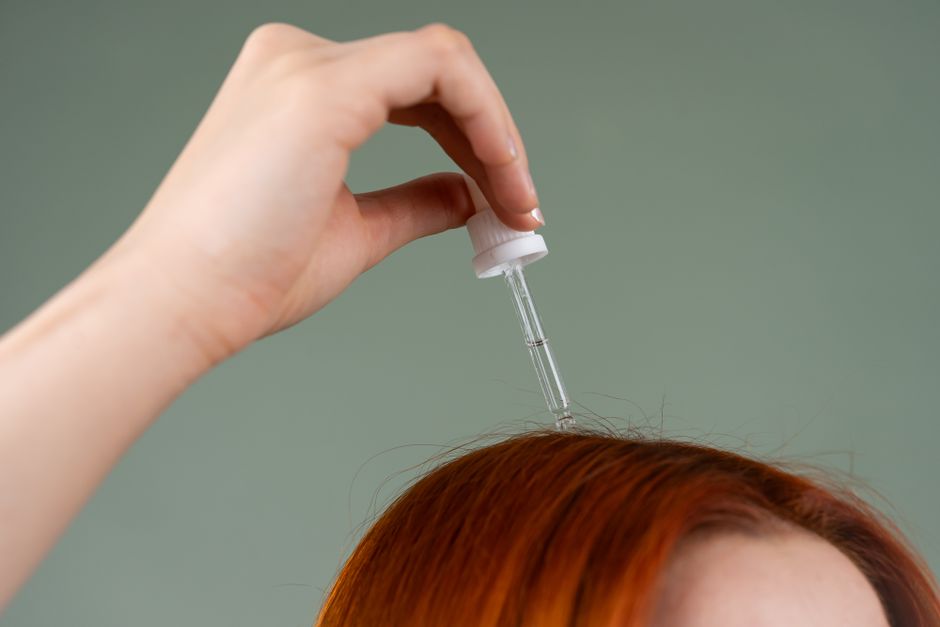
Hard pimples on your scalp often come from inflamed hair follicles, a condition called folliculitis, or from cysts that form deep under the skin. The root causes range from bacterial infections and clogged pores to friction from hats or even your shampoo. Unlike facial acne, scalp bumps have unique triggers tied to hair growth and sweat that make them stubborn and painful.
What Exactly Are Hard Pimples On The Scalp?
Hard pimples are not your typical whitehead or blackhead. They feel firm to the touch because they are deeper in the skin. Most of the time, they are inflamed hair follicles or cysts filled with keratin and oil.
A follicle is the tiny pocket where each hair grows. When it gets blocked or infected, it swells and turns into a hard bump. The scalp has more oil glands than your face, which makes it a prime spot for these problems. The pain you feel comes from inflammation pressing on nerves right under the skin.
Why Do You Get Hard Pimples On Your Scalp? Root Causes
There are several reasons hard bumps show up on your head. Some are simple to fix. Others need a doctor’s help.
Folliculitis is the most common cause. Bacteria, usually staph, get into the hair follicle and cause an infection. The result is a red, hard bump that can hurt. Shampooing less often or sweating a lot can make this worse.
Scalp acne works like face acne. Dead skin cells and oil block the follicle. This creates a closed comedone that feels hard. Unlike folliculitis, scalp acne is not caused by bacteria at first. It is a clogging problem that can later get infected.
Cysts are another cause. A pilar cyst forms from the outer root sheath of the hair follicle. These feel like a smooth, hard lump under the skin. They grow slowly and are not painful unless they get inflamed. Pilar cysts are common on the scalp and often run in families.
Contact dermatitis can also create hard bumps. Your skin reacts to something it touches, like a new hair dye, shampoo, or conditioner. The bumps look like hives but feel firmer. This reaction usually happens within a few hours of exposure.
Friction from hats or helmets is a sneaky cause. Pressure and rubbing irritate the follicles. This triggers inflammation that turns into hard bumps. People who wear hard hats or bike helmets often see this on the top of their scalp.
Hormonal shifts can increase oil production. This happens during puberty, pregnancy, or menopause. More oil means more clogged follicles and more hard bumps.
How Are Scalp Pimples Different From Dandruff Or Psoriasis?
Many people mistake hard scalp pimples for other conditions. Dandruff causes flaking, not hard bumps. Psoriasis creates thick, silvery scales that can itch but are not pimple-like.
Scalp folliculitis is often confused with acne keloidalis nuchae, which causes hard bumps at the back of the neck. That condition is a different problem that can lead to scarring if not treated. The key difference is location and whether the bumps have a white or yellow head.
If you have hard bumps that do not go away or keep coming back, it is worth seeing a dermatologist. They can tell the difference by looking at the bump or taking a small sample.



What Treatments Work For Hard Scalp Pimples?
Treatment depends on what is causing the bumps. For mild cases, you can try things at home. For severe or painful bumps, you need medical help.
Antibacterial washes can help with folliculitis. Look for a shampoo with ketoconazole or pyrithione zinc. These reduce bacteria and fungus on the scalp. Use them two to three times a week.
Salicylic acid shampoos work for clogged pores. This ingredient helps shed dead skin cells so follicles stay open. It is the same ingredient used in face acne washes but made for the scalp.
Warm compresses can ease pain. Apply a clean cloth soaked in warm water to the bump for 10 minutes. This helps the inflammation go down and may help the bump drain on its own.
Do not pop them. Popping a hard scalp pimple pushes bacteria deeper. It can also cause scarring or spread the infection to other follicles. Let a dermatologist drain it if needed.
For cysts, the only permanent solution is removal. A doctor numbs the area and cuts out the sac. If the sac is left behind, the cyst will come back. This is a simple office procedure that takes about 20 minutes.
Prescription options include topical clindamycin or oral antibiotics for bacterial infections. For severe cases, a short course of oral steroids can reduce inflammation quickly.
| Treatment Type | What It Does | When To Use |
|---|---|---|
| Antibacterial shampoo | Reduces bacteria and fungus | Mild folliculitis |
| Salicylic acid shampoo | Unclogs follicles | Scalp acne |
| Warm compress | Reduces inflammation | Painful bumps |
| Prescription antibiotics | Kills bacterial infection | Severe or widespread bumps |
| Cyst removal | Removes the entire sac | Recurring cysts |
Can You Prevent Hard Pimples On Your Scalp?
Prevention is mostly about keeping your scalp clean and reducing irritation. Wash your hair regularly, especially after sweating. Use a gentle shampoo that does not strip your scalp of its natural oils.
Avoid sharing combs, brushes, or hats. Bacteria can transfer from one person to another through these items. If you wear a hat often, wash it weekly.
Change your pillowcase every few days. Oil and bacteria build up on fabric and transfer to your scalp while you sleep. This simple habit can reduce breakouts significantly.
If you use hair products, check the ingredients. Heavy oils, silicones, and waxes can clog follicles. Look for non-comedogenic products labeled for the scalp.
Some people find that diet plays a role. High sugar intake can increase inflammation in the body. While the evidence is mixed, reducing sugar may help some people see fewer bumps.
When Should You See A Doctor?
Most hard scalp pimples are harmless and go away on their own. But some signs mean you need medical attention.
See a doctor if the bumps are very painful, ooze pus, or spread quickly. Also go if you have a fever or swollen lymph nodes in your neck. These can be signs of a deeper infection.
If bumps keep coming back in the same spot, you may have a cyst or a chronic condition like dissecting cellulitis of the scalp. This is a rare but serious condition that causes deep inflammation and can lead to hair loss.
A dermatologist can do a culture test to find out what bacteria or fungus is causing the problem. This helps them pick the right treatment instead of guessing.
Frequently Asked Questions
Can stress cause hard pimples on the scalp?
Stress alone does not cause them, but it can make existing bumps worse by increasing oil production and inflammation.
Are hard scalp pimples contagious?
Most are not contagious. However, if the cause is a bacterial infection like staph, it can spread to others through shared towels or brushes.
Does shaving your head help with scalp pimples?
Shaving can actually make things worse by irritating follicles and creating small cuts where bacteria enter.
How long does a hard scalp pimple last?
Most last 3 to 7 days. Cysts can last much longer and may need removal to go away completely.
