
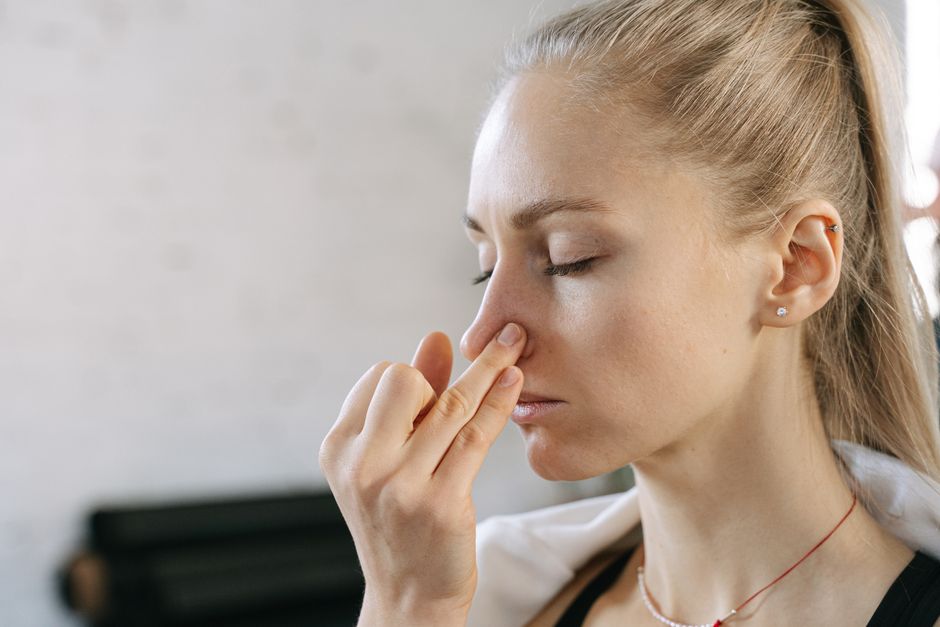
A nosebleed happens when a small blood vessel inside the nose breaks and blood escapes through the nostril or down the back of the throat. The nose contains a dense network of fragile vessels, and the front part of the nasal septum is where most bleeds begin. That spot sits close to the surface, so dry air, a scratch, or a bump can open a vessel in seconds.
Most nosebleeds are not dangerous. They are common, they often stop on their own, and they usually trace back to something ordinary like dry air or nose picking. But the reason behind a bleed matters, because repeated or heavy bleeding can point to something that needs medical attention.
Why Do You Get A Bleeding Nose?
The short answer is that a vessel in the nasal lining has broken, and the nose has a lot of vessels packed into a small, exposed space. The nasal cavity is lined with a thin mucous membrane that sits over a rich blood supply. That blood supply exists to warm and humidify the air you breathe before it reaches your lungs.
The most common site is called Kiesselbach’s plexus, a cluster of blood vessels on the front part of the nasal septum. It sits near the surface, so it is easy to injure. This is where the large majority of nosebleeds start. Doctors call these anterior nosebleeds, and they are usually the ones that drip from the nostril.
Less often, bleeding starts farther back in the nose. These posterior nosebleeds come from larger vessels and tend to be heavier. They are more common in older adults and are harder to stop at home. Blood may run down the throat instead of out the front, which can make them harder to notice.
What Causes Nosebleeds Most Often?
Dry air is the leading everyday cause. When the air around you is dry, the mucous membrane inside the nose dries out and can crack. Those cracks expose the vessels underneath. This is why nosebleeds are more common in winter, in heated indoor spaces, and in dry climates.
Other frequent triggers include:
- Nose picking or scratching, which is especially common in children
- Blowing the nose hard or repeatedly
- A dry or crusted nasal lining from low humidity
- Minor injury to the nose or face
- Irritation from colds, allergies, or sinus infections
- Frequent use of nasal decongestant sprays
These causes account for most nosebleeds in otherwise healthy people. They are mechanical or environmental, not a sign of underlying disease.
Can Medications And Medical Conditions Cause Nosebleeds?
Yes, and this is where the cause becomes more important to identify. Some medications make bleeding more likely by thinning the blood or reducing its ability to clot. Blood thinners such as warfarin, heparin, and direct oral anticoagulants are well known to increase bleeding risk, including from the nose. Daily aspirin can do the same.
Other medications matter too. Nasal steroid sprays are generally safe, but using them with the head tilted back or aiming them at the septum can irritate the lining over time. Over-the-counter decongestant sprays used for more than a few days can cause rebound congestion and a dry, irritated lining.
Certain medical conditions also raise the risk:
- High blood pressure may make bleeds harder to stop, though whether it causes them is debated
- Clotting disorders, including von Willebrand disease and hemophilia
- Liver disease, which can reduce clotting factors
- Kidney disease
- Alcohol use disorder
- Blood cancers and other conditions affecting platelets
The relationship between high blood pressure and nosebleeds is genuinely unsettled. Some research links very high blood pressure to more frequent and harder-to-control bleeds, but it is not proven to be a direct cause. What is clearer is that once a bleed starts, high blood pressure can make it last longer.



When Is A Nosebleed A Sign Of Something Serious?
A nosebleed is worth medical attention when it is heavy, keeps returning, or happens alongside other symptoms. Most single bleeds from the front of the nose are not serious. The pattern matters more than one event.
Seek medical care if:
- Bleeding lasts longer than 20 minutes despite pressure
- Blood loss is heavy or you feel weak, dizzy, or faint
- Bleeding starts after a head injury or a serious fall
- You are taking a blood thinner and cannot stop the bleed
- Bleeds keep coming back over days or weeks
- You also notice easy bruising, unusual gum bleeding, or blood in stool or urine
Repeated nosebleeds in one nostril, especially with nasal blockage or a change in smell, need evaluation. In rare cases, a growth in the nasal cavity can cause bleeding. This is uncommon, but it is one reason persistent one-sided bleeds get checked.
What Does It Mean If Nosebleeds Keep Coming Back?
Recurrent nosebleeds usually point to an ongoing irritant or an underlying bleeding tendency. The most common reasons are a persistently dry lining, habitual picking, untreated allergies, or a deviated septum that disrupts airflow and dries one side of the nose more than the other.
When bleeds return without an obvious trigger, doctors look at the bigger picture. A blood test can check platelet count and clotting function. A doctor may also examine the inside of the nose to look for a visible vessel, a sore, or a growth. Sometimes a single enlarged vessel on the septum keeps re-bleeding, and it can be sealed with a simple in-office procedure such as cautery.
If you take a blood thinner, recurrent bleeds are a reason to talk with your prescriber rather than stop the medication on your own. The balance between clot risk and bleeding risk is a clinical decision, not a self-managed one.
How Do You Stop A Nosebleed?
First aid for a nosebleed is simple, but the way most people do it is wrong. Tipping the head back does not help. It sends blood down the throat, which can cause nausea and hides how much you are actually losing.
The correct approach:
- Sit upright and lean slightly forward
- Pinch the soft part of the nose, just below the bony bridge, firmly
- Hold steady pressure for 10 to 15 minutes without letting go to check
- Breathe through your mouth
- Stay upright rather than lying down
If bleeding continues past 20 minutes of steady pressure, seek medical care. For prevention, keeping the nasal lining moist helps. Saline nasal sprays, a humidifier in dry rooms, and a thin layer of petroleum jelly just inside the nostril can reduce dryness. Some clinicians also recommend saline gels for the same purpose.
If bleeds keep happening, avoid picking and blowing hard. Treat allergies so you are not rubbing and scratching the nose all day. And if you use a nasal steroid spray, aim it away from the septum and toward the outer wall of the nostril.
Does Age Or Pregnancy Change The Picture?
Children get nosebleeds often, mostly from dryness and picking. Their vessels are close to the surface and easy to irritate. This is usually not a sign of anything serious.
Older adults tend to get posterior bleeds more often, and those are harder to stop. Thinner nasal linings, more use of blood thinners, and higher rates of high blood pressure all play a role.
Pregnancy can increase nosebleeds too. Blood volume rises and the nasal lining becomes more engorged with blood, so vessels are more likely to bleed. This is generally a normal change, but heavy or repeated bleeds during pregnancy should be discussed with a clinician rather than managed alone.
Frequently Asked Questions
Why do I get nosebleeds so easily?
Easy nosebleeds usually come from a dry, irritated nasal lining or from vessels that sit close to the surface. If they happen often, a doctor can check for a visible vessel, a clotting problem, or a medication effect.
Can high blood pressure cause nosebleeds?
The evidence is mixed on whether high blood pressure directly causes nosebleeds. It does appear to make bleeds last longer and harder to stop once they start.
Is it normal to get nosebleeds every day?
No, daily nosebleeds are not typical and should be evaluated by a doctor. Common causes include a persistently dry lining, habitual picking, or an underlying bleeding or clotting issue.
What is the fastest way to stop a nosebleed?
Sit upright, lean forward, and pinch the soft part of the nose firmly for 10 to 15 minutes without releasing. If it does not stop after 20 minutes, seek medical care.
