
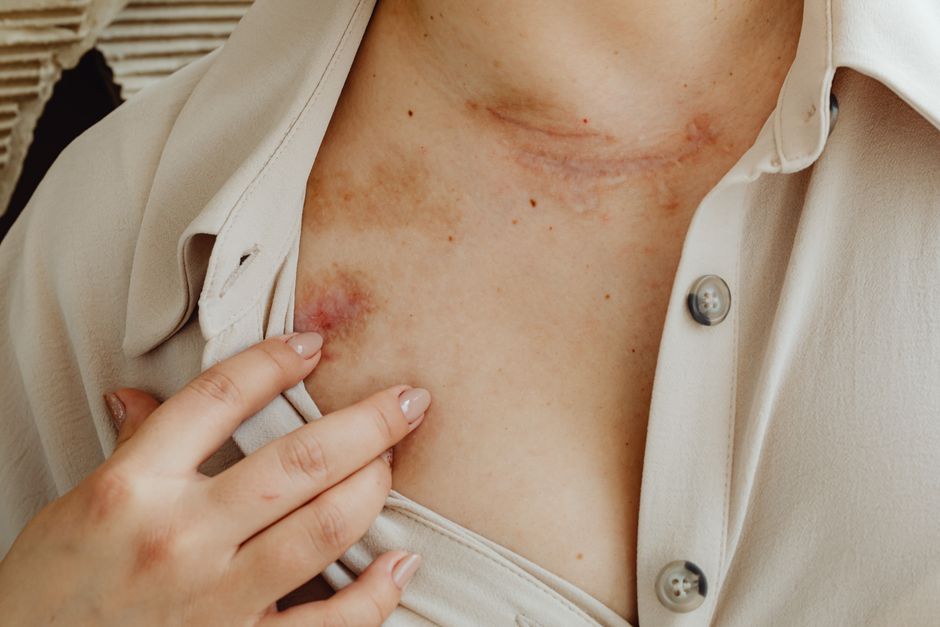
An itchy wound is a normal part of healing for most people. The itch comes from the same biological process that rebuilds your skin: as new tissue forms and damaged nerves regrow, they send signals that your brain reads as itching. It is usually a sign that healing is underway, not a sign that something is wrong.
That said, the intensity varies a lot from person to person. A paper cut may barely itch. A surgical incision or a burn can itch intensely for weeks. Understanding what is actually happening in the tissue helps you tell ordinary healing itch apart from itch that deserves a closer look.
Why Do Wounds Itch During Healing?
Itching during healing is driven by the immune and nervous systems working together. When skin is damaged, the body releases a wave of signaling molecules called cytokines and growth factors. These molecules recruit cells to rebuild the tissue, and some of them also sensitize nearby nerve endings.
Histamine is the best-known itch signal, and it does play a role in wound healing. But it is not the whole story. Research has shown that wound itch involves many chemical messengers beyond histamine, which helps explain why antihistamines often do not relieve it well. That is a genuinely non-obvious point: the classic allergy itch pathway is only one part of wound itch.
A second major factor is nerve regrowth. Small nerve fibers in the skin are cut when you are injured. As they regenerate, they are unusually sensitive and fire easily. This sensitivity is why a healing wound can itch when it is touched, when fabric rubs it, or even with no trigger at all.
Dryness adds to the problem. Healing skin loses moisture more easily, and dry skin itches. Scab formation and the tightening of new tissue also stretch and pull on nerve endings, which contributes to the sensation.
What Is Happening in the Skin as It Heals?
Healing happens in overlapping phases, and itch tends to build as the process moves from cleanup into rebuilding. The first phase is hemostasis, when blood clots to stop bleeding. Next comes inflammation, when immune cells clear debris and fight potential infection. Then comes proliferation, when new tissue, blood vessels, and skin cells fill the wound. Remodeling, the final phase, can last for months.
Itch is most noticeable during the middle and later phases. During inflammation, immune cells release itch-sensitizing chemicals. During proliferation, new nerve endings grow into the healing tissue and the surface skin begins to close. As the skin dries and tightens, the stretching adds another itch trigger.
This timeline explains a common experience: a wound that did not itch much at first becomes itchier a few days to a couple of weeks later. It is not a setback. It reflects the shift from cleanup to rebuilding.
Which Wounds Itch the Most?
Some wounds itch far more than others. Burns are among the most intensely itchy injuries, and itch after a burn can persist for a long time, sometimes well beyond the point when the wound has visibly closed. Surgical incisions also itch commonly as they heal.
Wounds in certain locations tend to itch more. Areas with dense nerve supply, like the hands and face, and areas where skin is stretched tight over a healing wound, tend to produce more itch. Wounds that heal by scarring, including deeper cuts and burns, are more likely to itch than superficial scrapes.
Individual factors matter too. People with dry skin, older adults, and anyone with a history of eczema or sensitive skin often report more wound itch. The evidence on exactly why varies, but skin barrier condition and nerve sensitivity are the leading explanations.





When Is Wound Itch a Sign of a Problem?
Most wound itch is harmless. But some itch patterns point to something that needs medical attention. The key is to look at the whole picture, not the itch alone.
Seek medical care if itch comes with any of these signs:
- Spreading redness, warmth, or swelling around the wound
- Increasing pain rather than decreasing pain
- Pus, foul odor, or fluid that looks infected
- Fever or feeling generally unwell
- An itchy rash that spreads well beyond the wound edges
- A wound that is not closing or is getting worse
An itchy rash spreading far from the wound can sometimes indicate an allergic reaction to an adhesive, dressing, or topical product. Contact dermatitis from medical tape and bandages is common and is often mistaken for wound itch. If the itch is centered on the skin around the dressing rather than the wound itself, an allergy to the dressing materials is worth considering.
Persistent, severe itch after a burn or a scar that keeps itching long after healing can be a sign of scar-related itch, which is a recognized clinical issue. It is not dangerous in itself, but it can be distressing and may warrant evaluation and management.
How Can You Relieve an Itchy Healing Wound?
Keeping the wound and surrounding skin moisturized is the most reliable general measure. Dry skin itches more, and healing skin dries out easily. Follow the wound care instructions you were given, and use plain, fragrance-free moisturizer on intact skin around the wound if your clinician approves.
Protecting the wound from friction helps. Loose clothing, soft dressings, and avoiding scratching reduce the mechanical triggers that set off sensitive new nerve endings. Scratching an itchy wound can break the new skin, slow healing, and introduce infection, so it is worth resisting.
Cool compresses on intact skin near the wound, or over a dressing if appropriate, can calm the sensation temporarily. Some clinicians recommend antihistamines for wound itch, but the evidence is mixed and they often help less than people expect, because histamine is only one of several itch signals. Over-the-counter itch creams should not be applied to an open wound unless a clinician advises it.
No single remedy reliably eliminates wound itch. The honest position is that management is largely about protecting the healing tissue and reducing triggers, not about a specific product that stops the itch.
Does Itching Mean a Wound Is Healing?
Itching is a common and expected part of normal healing, but it is not a guarantee that everything is on track. A wound can itch while healing well, and a wound can also itch when it is irritated or infected.
The more useful signal is the overall trend. A wound that is gradually closing, with decreasing pain, no spreading redness, and no pus, is behaving as expected even if it itches. A wound that is getting more painful, more red, or not closing deserves a closer look regardless of how much it itches.
There is also a persistent myth that itching means a wound is “healing from the inside out.” That phrase describes a real concept in wound care for certain deep wounds, but it is not what itch signals. Itch reflects nerve sensitivity and tissue rebuilding, not the direction of healing.
Why Do Some Scars Itch for Years?
Scars can itch long after a wound has closed. This happens because scar tissue has an altered nerve supply and different mechanical properties than normal skin. Nerves in scar tissue can remain sensitized, and the tight, less flexible scar can pull on surrounding tissue, creating ongoing itch signals.
Hypertrophic scars, which are raised but stay within the original wound boundary, and keloids, which grow beyond it, are more likely to itch. Burn scars are especially prone to long-term itch. Some people find that scar massage, silicone products, and moisturizing help, and some clinicians recommend these approaches, though the evidence for any single measure is not strong enough to call it a reliable cure.
If a scar itches persistently or is changing, it is reasonable to have it looked at. Most scar itch is benign, but a clinician can assess whether treatment would help.
What Should You Not Do to an Itchy Wound?
Do not scratch. Scratching can reopen a healing wound, remove new skin, and introduce bacteria. It also tends to make itch worse over time by sensitizing nerve endings further.
Do not apply random home remedies to an open wound. Products like vinegar, hydrogen peroxide, alcohol, and essential oils can damage healing tissue and are not recommended for open wounds. Follow the cleaning and dressing guidance you were given.
Do not ignore signs of infection because the itch seems mild. Itch is not protective, and it does not tell you whether a wound is infected. Look at the wound itself.
Frequently Asked Questions
Why do wounds itch so much at night?
Itch often feels worse at night because there are fewer distractions and skin temperature and moisture change during sleep. Lying on or rubbing a healing wound against bedding can also trigger sensitive nerve endings.
Is it normal for a wound to itch after it has healed?
Yes, some itch after healing is common, especially with scars and burns, because scar tissue has an altered nerve supply. Persistent or worsening itch in a scar is worth having evaluated.
Does itching mean a wound is infected?
No, itch alone does not mean infection. Infection is suggested by spreading redness, warmth, increasing pain, pus, foul odor, or fever, not by itch by itself.
Can antihistamines stop wound itch?
They sometimes help but often do not, because wound itch involves many chemical signals beyond histamine. Some clinicians recommend them, but the evidence is mixed.
