
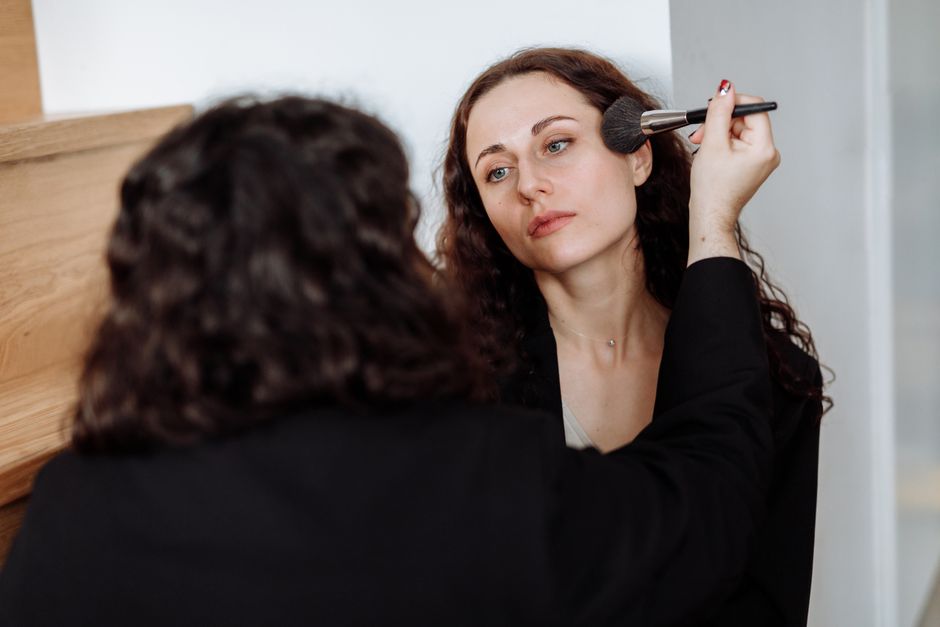
Blushing is a sudden, involuntary reddening of the face, neck, or chest that happens when you feel self-conscious, embarrassed, or exposed. It is a universal human response driven by the sympathetic nervous system, which dilates the blood vessels in the face. While both men and women blush, the behavior is often more visible and more frequently discussed in women, partly due to social conditioning and partly due to physiological differences in skin tone and blood flow. The science shows blushing is not just a physical reaction; it is a complex emotional signal that communicates vulnerability and regret without using words.
What Physically Happens When You Blush?
The physical process of blushing starts in the brain. When you experience a strong emotion—usually embarrassment or acute self-awareness—the body activates its sympathetic nervous system. This is the same system responsible for the “fight or flight” response, but blushing triggers a specific branch of it.
Nerve signals cause the blood vessels in the face to dilate, or widen. More blood flows into the capillaries just beneath the skin’s surface. Because the skin on the face is relatively thin and has many superficial vessels, the increased blood flow becomes visible as a red or pink flush. This response is distinct from sweating or a racing heart because it is specifically triggered by social situations.
Interestingly, the veins in the face also relax during a blush. This allows more blood to pool in the area. The combination of widened arteries and relaxed veins creates the deep, warm sensation you feel when blushing. The entire event usually lasts between 30 seconds and two minutes, though the feeling of being flushed can linger longer.
Why Do Women Blush The Science And Psychology: The Emotional Trigger
The primary trigger for blushing is the fear of negative evaluation by others. This is not a conscious decision. It is an automatic response to being the center of attention or to a perceived social mistake. When you believe others are judging you, the brain’s threat detection system activates.
Psychologists classify blushing as a form of non-verbal apology. If you spill a drink or trip in public, blushing signals to others that you recognize the mistake and feel remorse. This is why blushing often occurs after a faux pas, even if no one verbally calls it out. The blush functions as a social repair mechanism.
For women, this response can be more pronounced for several reasons. Research suggests that women, on average, score higher on measures of empathic concern and social sensitivity. Being more attuned to the reactions of others means the brain may more readily perceive a social threat, triggering a blush. Additionally, cultural norms often place a higher premium on a woman’s social grace and appearance, which can increase the perceived stakes of a social error.
Is There A Difference Between Male And Female Blushing?
Physiologically, the mechanism of blushing is identical in men and women. The same nerves, blood vessels, and brain regions are involved. However, the visibility of the blush differs.
Men generally have thicker skin and a higher concentration of melanin, which can mask the redness. Women often have thinner facial skin and a more transparent dermis. This means the same volume of blood flow produces a more visible red flush in many women. This is not a sign that women blush more intensely internally, only that the external signal is easier to see.
There is also a hormonal component that affects skin temperature and blood flow. Women experience fluctuations in estrogen and progesterone across their menstrual cycle. Some studies indicate that skin blood flow changes during the menstrual cycle, although the evidence on whether this directly increases or decreases blushing frequency is not conclusive. The visible difference is primarily anatomical, not hormonal.
Socially, blushing is more frequently observed and reported in women. This may be because women are more likely to be in social situations that emphasize cooperation and relationship maintenance, where the blushing signal is most relevant. Men may experience the same internal response but are less likely to have it noticed or discussed.





What Triggers A Blush Beyond Embarrassment?
While embarrassment is the most common trigger, it is not the only one. Blushing can also occur during moments of praise or positive attention. Receiving a compliment or being singled out for an award can cause a blush, even when the emotion is pride rather than shame. This occurs because the trigger is not the emotion itself, but the sudden focus of attention on the self.
Anger can also cause facial flushing. This is a different physiological response, often involving a rise in blood pressure and a more generalized reddening that includes the neck and chest. This flush is related to the fight response, not the social apology response.
Another trigger is the mere act of talking about blushing. Thinking about the physical sensation can create a feedback loop. You worry about blushing, which makes you self-conscious, which triggers the blush. This is why people who blush easily often blush more in situations where they anticipate being embarrassed.
- Social attention: Being the focal point of a group.
- Praise: Receiving unexpected positive feedback.
- Social confrontation: Being accused of something or arguing.
- Intimacy: Expressing affection or receiving it.
Can You Control Or Stop Blushing?
You cannot consciously stop a blush once it has started. The response is controlled by the autonomic nervous system, which operates outside voluntary control. Trying to suppress a blush often makes it worse because you become more focused on yourself, increasing the self-consciousness that drives the reaction.
There are strategies to reduce the frequency of blushing, but they focus on managing the emotional trigger, not the physical response. Cognitive behavioral techniques that reduce social anxiety can help. If you are less worried about being judged, your brain is less likely to perceive a social threat, and the blush response is less likely to activate.
Physical cooling can help reduce the duration of a blush. Splashing cold water on the wrists or face constricts blood vessels and counteracts the dilation. Taking slow, deep breaths can also help lower the overall arousal level of the nervous system, which may shorten the episode.
For people with severe blushing that interferes with daily life—a condition called erythrophobia—medical options exist. Some clinicians prescribe beta-blockers to reduce the physical symptoms of anxiety. In extreme cases, a surgical procedure called endoscopic thoracic sympathectomy can cut the nerves responsible for the blush, but this is rarely recommended due to risks and side effects. This is a last resort, not a first-line treatment.
When Is Blushing A Sign Of A Medical Problem?
In most cases, blushing is a normal, healthy social signal. However, frequent or intense flushing can sometimes indicate an underlying medical condition. If you experience blushing that is not linked to an emotional trigger, it may be worth discussing with a doctor.
Rosacea is a common skin condition that causes persistent redness and flushing. It is often mistaken for blushing, but rosacea involves visible blood vessels and sometimes small, pus-filled bumps. The flushing in rosacea can be triggered by heat, spicy food, or alcohol, not just emotions.
Other medical causes of flushing include hormonal changes, such as those during menopause, and certain medications that affect blood vessel tone. Carcinoid syndrome, a rare condition caused by a specific type of tumor, can also cause flushing. If your flushing is accompanied by diarrhea, wheezing, or a rapid heartbeat, seek medical advice.
Blushing that happens frequently, lasts a long time, or causes significant distress is worth evaluating. A primary care doctor can help determine whether the cause is psychological, dermatological, or systemic. Most blushing is harmless, but persistent and unexplained flushing should not be ignored.
Frequently Asked Questions
Why do some people blush more easily than others?
People who are highly self-conscious or have social anxiety blush more easily because their brains perceive social situations as more threatening. Genetics also play a role in skin thickness and blood vessel reactivity, which affects how easily a blush becomes visible.
Is blushing a sign of lying?
No, blushing is not a reliable indicator of lying. It is a response to self-consciousness or fear of evaluation, which can happen when telling the truth and being disbelieved, or when receiving attention for any reason.
Can blushing be cured permanently?
There is no cure that permanently stops normal emotional blushing because it is a natural bodily function. Treatments like cognitive behavioral therapy can reduce the frequency by managing anxiety, and surgical nerve cutting exists but is reserved for severe, debilitating cases.
Does drinking alcohol make women blush more?
Alcohol causes blood vessels to dilate, which can produce a flush that looks similar to blushing. This is a direct chemical effect, not an emotional response, and it affects people differently regardless of gender.
