
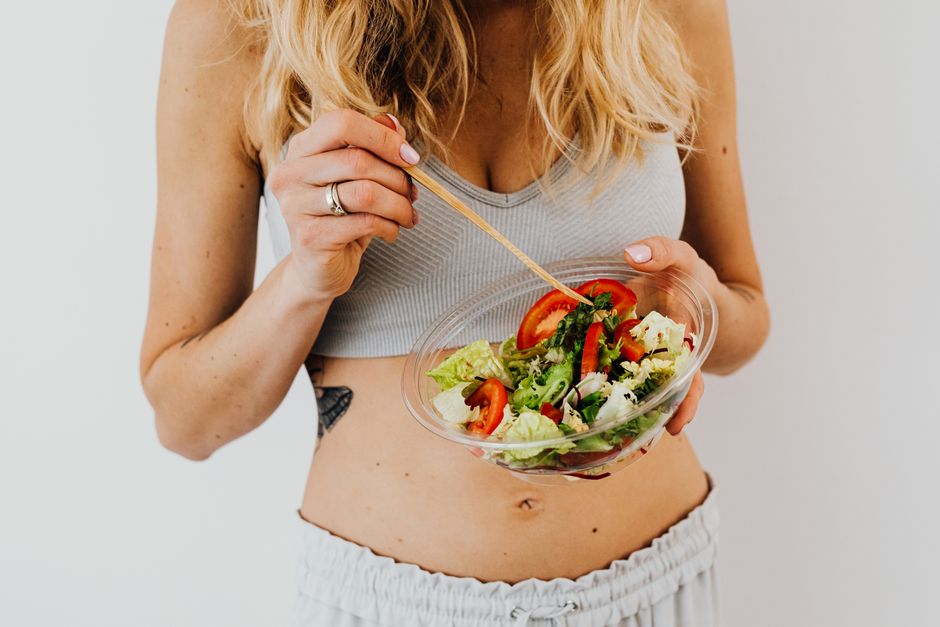
Vegetables can cause bloating because many of them contain fermentable fibers and sugars that your small intestine does not fully digest. These compounds travel to the colon, where gut bacteria break them down and produce gas as a byproduct. The result is pressure, distension, and that uncomfortable full feeling. The fix is not to stop eating vegetables. It is to identify which ones cause the most gas for you, adjust how you prepare and eat them, and give your digestive system time to adapt.
Why Do Vegetables Make You Bloated And How To Fix It?
The bloating happens because of fermentation. When you eat vegetables high in certain fibers and sugars, your small intestine absorbs what it can and passes the rest to the large intestine. Gut bacteria there ferment those leftover compounds. Gas is the natural result.
This is normal digestion, not a disorder. Everyone produces gas during digestion. The difference is that some people produce more, feel it more, or have a gut that is more sensitive to normal amounts of gas.
The main culprits in vegetables fall into a group called FODMAPs. That stands for fermentable oligosaccharides, disaccharides, monosaccharides, and polyols. These are short-chain carbohydrates that are poorly absorbed in the small intestine and rapidly fermented by bacteria in the colon.
Common FODMAPs in vegetables include:
- Fructans — found in onions, garlic, leeks, and artichokes
- Galacto-oligosaccharides — found in beans, lentils, and soybeans
- Fructose — found in asparagus and some sweet vegetables
- Sorbitol and mannitol — sugar alcohols found in mushrooms, cauliflower, and snow peas
These compounds are not harmful. They actually feed beneficial gut bacteria. But the fermentation process produces hydrogen, methane, and carbon dioxide. That gas stretches the intestinal wall, which triggers the sensation of bloating.
Some people have a more sensitive gut lining. Their nerves react to normal stretching more intensely. This is common in people with irritable bowel syndrome, but it can happen without any diagnosis at all.
Which Vegetables Are Most Likely to Cause Bloating?
Not all vegetables cause the same amount of gas. The ones highest in fermentable carbohydrates tend to cause the most trouble.
Vegetables commonly associated with bloating include:
- Broccoli and cauliflower
- Cabbage and Brussels sprouts
- Onions and garlic
- Beans, lentils, and other legumes
- Asparagus
- Mushrooms
- Artichokes
- Snow peas and sugar snap peas
Vegetables that tend to cause less gas include zucchini, bell peppers, carrots, green beans, spinach, and lettuce. These are lower in fermentable carbohydrates and generally easier on the digestive system.
But individual tolerance varies significantly. Two people can eat the same meal and have completely different reactions. Your gut bacteria, enzyme activity, and gut sensitivity all play a role.
One thing worth noting: cooking method matters. Raw vegetables often cause more bloating than cooked ones because cooking breaks down some of the fiber structures, making them easier to digest. Steaming, roasting, or sautéing can reduce the gas-producing potential of many vegetables.
Is It Normal to Get Bloated From Vegetables?
Yes, some bloating after eating vegetables is normal. Gas production is a sign that your gut bacteria are active and doing their job.
The problem is when bloating becomes painful, persistent, or interferes with daily life. That is when it may be worth looking deeper.
Signs that bloating may need medical attention include:
- Bloating that is severe or worsening over time
- Bloating accompanied by weight loss, diarrhea, or constipation that does not resolve
- Bloating that wakes you from sleep
- Bloating with nausea, vomiting, or blood in stool
These symptoms do not necessarily mean something serious is wrong. But they are worth discussing with a doctor.
For most people, vegetable-related bloating is uncomfortable but not dangerous. It is a digestive response, not a disease.


How Can You Reduce Bloating From Vegetables?
You do not need to give up vegetables. Several practical steps can reduce gas production while keeping them in your diet.
Cook your vegetables. Heat breaks down some fiber structures and reduces fermentable compounds. Steamed broccoli tends to cause less gas than raw broccoli for many people.
Start with smaller portions. Eating a large salad or a big bowl of bean soup after not eating many vegetables can overwhelm your gut. Increase serving sizes gradually over weeks, not days. Your gut bacteria can adapt to higher fiber intake over time.
Soak and rinse beans and legumes. Soaking dried beans and discarding the soaking water removes some of the oligosaccharides that cause gas. Rinsing canned beans thoroughly also helps.
Try enzyme products. Some over-the-counter products contain alpha-galactosidase, an enzyme that helps break down the complex sugars in beans and cruciferous vegetables. The evidence for these products is mixed. Some people report benefit; others do not. They are generally considered safe for most adults.
Chew thoroughly. Digestion starts in the mouth. Larger pieces of food are harder for your gut to process and may produce more gas.
Separate problematic vegetables. If you know that onions and garlic cause bloating, try eating them separately from other high-FODMAP foods. Stacking multiple triggers in one meal can make symptoms worse.
Consider a low-FODMAP trial. This is a structured eating plan that temporarily removes high-FODMAP foods and then reintroduces them one at a time to identify triggers. It is best done with guidance from a registered dietitian, especially if you have IBS or significant symptoms. A low-FODMAP diet is not meant to be permanent. It is a short-term tool for identifying which foods cause problems.
Does Your Gut Bacteria Change Over Time?
Yes. Your gut microbiome is not fixed. It responds to what you eat, and it can shift within days to weeks.
When you consistently eat a variety of vegetables, your gut bacteria adapt to ferment them more efficiently. This does not mean you will stop producing gas entirely. But many people find that bloating decreases as their gut adjusts to a higher-fiber diet.
This adaptation is one reason why suddenly adding a lot of vegetables to your diet can cause significant bloating at first. Your gut bacteria have not yet adjusted to the new fiber load.
Research on the gut microbiome is still developing. Scientists know that diet shapes gut bacteria, but the details of how individual strains affect gas production and bloating are not fully understood. What is clear is that a diverse plant-based diet supports a diverse microbiome, which is generally associated with better digestive health.
When Should You Talk to a Doctor About Bloating?
Occasional bloating after eating vegetables is not a medical concern. But persistent or painful bloating deserves attention.
Talk to a doctor if:
- Bloating does not improve after dietary changes
- You have ongoing diarrhea or constipation
- You are losing weight without trying
- Bloating is accompanied by fatigue, fever, or other unexplained symptoms
- You have a family history of digestive disorders or colon cancer
Conditions like irritable bowel syndrome, small intestinal bacterial overgrowth, and celiac disease can cause bloating that is not simply related to vegetable intake. These conditions require proper diagnosis and management.
Bloating is a symptom, not a diagnosis. If it is persistent or concerning, a doctor can help determine whether there is an underlying cause that needs treatment.
Frequently Asked Questions
Why do vegetables make me bloated?
Vegetables contain fermentable fibers and sugars that your small intestine does not fully digest. Gut bacteria in your colon ferment these compounds and produce gas, which causes bloating.
Which vegetables cause the most bloating?
Broccoli, cauliflower, cabbage, onions, garlic, beans, and lentils are common triggers because they are high in fermentable carbohydrates. Individual tolerance varies, so the vegetables that affect you most may differ from someone else’s triggers.
How do I stop getting bloated from vegetables?
Cooking vegetables, increasing portions gradually, soaking beans, and chewing thoroughly can all help reduce gas. If symptoms persist, a low-FODMAP trial guided by a dietitian may help identify specific triggers.
Should I stop eating vegetables if they make me bloated?
No. Vegetables are important for health, and most people can reduce bloating by adjusting preparation and portion sizes rather than eliminating them. Talk to a doctor if bloating is persistent or painful.
