
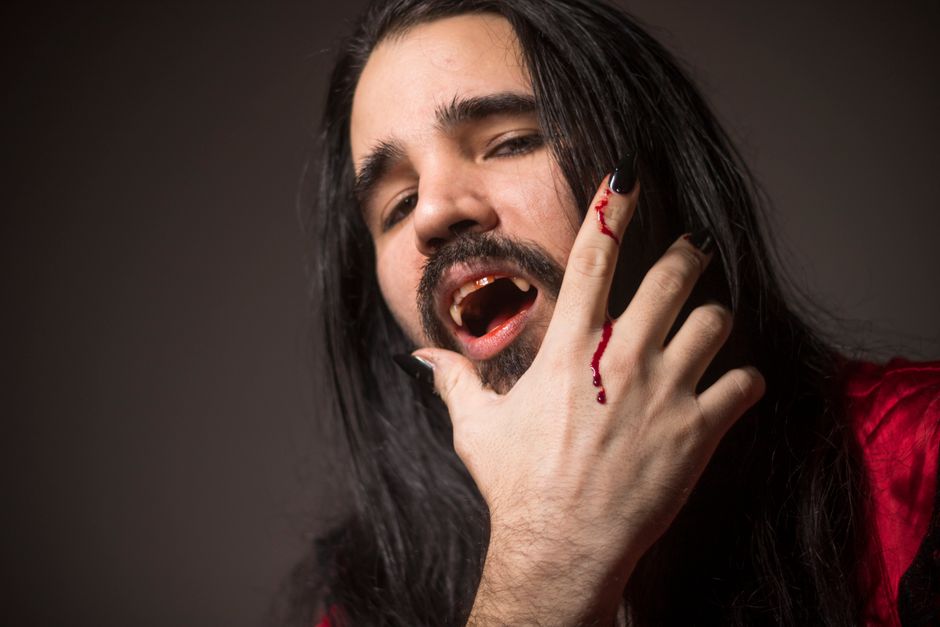
Vampires don’t drink blood because they need the iron. They drink it because blood is the only substance in the human body that carries the idea of life itself. Every culture that ever told vampire stories made the same connection: blood leaves the body, and life leaves with it. The myth grew from that simple observation, not from any biological need. There is no scientific reason a vampire would crave blood. There are, however, real medical and historical reasons the myth exists.
Why Do Vampires Like Blood The Science Behind The Myth?
The vampire myth is a story about what blood represents, not what blood contains. Blood was the one visible sign that separated the living from the dead. A body that bled was alive. A body that did not was not.
Before modern medicine, people had no way to measure blood pressure or check a pulse with precision. They watched for blood. A wound that bled meant the person was still alive. A corpse that did not bleed was gone. This is why so many funeral customs across Europe involved checking whether a body bled when moved or pierced.
Blood also carried a second meaning. It was understood as the carrier of life force, family line, and identity. The phrase “blood relative” survives today. When a community feared a body might return from the dead, the idea that it would seek blood made a kind of narrative sense. It was taking back the thing it had lost.
The myth did not come from observation of real blood-drinking. It came from grief, fear of the dead, and the human need to explain illness and death that had no visible cause.
Did Real Medical Conditions Create the Vampire Myth?
Some researchers have proposed that certain medical conditions may have contributed to vampire folklore. The evidence for this is suggestive but not conclusive, and it is important to be honest about that.
One widely discussed idea involves porphyria, a group of rare inherited disorders affecting how the body produces heme, the iron-containing component of hemoglobin. Some forms of porphyria cause severe skin sensitivity to sunlight. In very rare cases, skin can blister or become fragile after sun exposure. People with some forms of porphyria may develop reddish or dark urine, and in severe cases, damage to gums and lips has been described.
The connection to vampires is often repeated in popular media. Most porphyria specialists and medical historians do not accept it as a real explanation for the myth. The symptoms do not match the folklore closely. People with porphyria do not crave blood, do not have fangs, and are not repelled by garlic. The human body does not turn porphyria into vampirism.
Another proposed link involves rabies. Rabies causes agitation, confusion, difficulty swallowing, and in some cases, aversion to water. A person with rabies may drool or have difficulty drinking. Some writers have suggested this could look like a fear of water or an inability to consume normal food. Again, this is speculation. Rabies does not produce a craving for blood, and the disease is nearly always fatal once symptoms appear. It is not a satisfying explanation for a centuries-old myth.
What these theories share is a common mistake: they start with the myth and look for a disease that might fit. That is backward reasoning. The myth likely grew from many sources, and no single medical condition explains it.
What Does Blood Actually Contain?
Blood is mostly water. Plasma, the liquid part, is about 90 percent water by volume. The rest is a mix of proteins, salts, hormones, nutrients, and waste products being carried to the kidneys and liver.
The cellular part of blood includes red blood cells, white blood cells, and platelets. Red blood cells carry oxygen using hemoglobin, an iron-containing protein. White blood cells are part of the immune system. Platelets help form clots.
From a nutritional standpoint, blood is not a good food source for humans. It contains iron and protein, but it also contains high levels of sodium and potentially harmful levels of iron if consumed in large amounts. Drinking blood in any meaningful quantity would cause nausea and vomiting in most people. The human digestive system is not built to process blood as a food.
There is one real-world use of blood as food: blood sausage, also called black pudding, is made from cooked animal blood and is eaten in many cultures. The blood is cooked, which makes it safe. Raw blood carries a risk of bacterial and viral infection. This is why no medical or public health body recommends drinking raw blood.
Why Did People Believe the Dead Returned to Drink Blood?
Vampire folklore across Eastern Europe was not primarily about blood. It was about the fear that the dead could harm the living. The blood-drinking element came later and became more prominent in Western literature.
In many folk traditions, a suspected vampire was a person who had died in unusual circumstances, or a body that looked different after burial. Decomposition can cause the abdomen to swell, fluid to leak from the mouth and nose, and the body to shift position. To people who did not understand decomposition, these changes looked like signs that the corpse was still active.
This is one of the less obvious insights about the myth. Many “vampire sightings” in folklore can be explained by normal decomposition. A body that seemed to have grown hair and nails after death was simply showing skin shrinkage. A body that appeared flushed or bloated was undergoing normal postmortem change. Communities that did not have this knowledge interpreted what they saw through the lens of their beliefs.
The blood connection was reinforced by the fact that some bodies did bleed when moved or pierced, because blood can pool and remain liquid for a time after death. To a grieving family, that blood looked like evidence of life.
How Did Literature Turn Blood Into a Vampire Trait?
The modern vampire is largely a literary creation. The blood-drinking, fanged, aristocratic vampire that most people picture today comes from a small number of influential books and films, not from ancient folklore.
Early vampire stories in the 18th and 19th centuries drew on folk beliefs but reshaped them for entertainment. The vampire became a figure of seduction and danger rather than a simple corpse. Blood became a symbol of intimacy, power, and exchange.
By the 20th century, film and television had made the blood-drinking vampire a cultural standard. The biological question of why a vampire would need blood was never the point. The point was the story.
This matters for anyone trying to understand the myth. The vampire does not drink blood because of a biological drive that science can explain. The vampire drinks blood because storytellers found it a powerful image. The myth is a mirror of human fears about death, disease, and the body, not a record of a real medical phenomenon.
Is There Any Real Condition That Involves Craving Blood?
No known medical condition causes a person to crave human blood. There is a condition called pica, in which people eat non-food items such as ice, dirt, or clay. Pica is associated with iron deficiency in some cases, but blood is not a typical craving, and the condition is not related to vampirism.
Some people report a strong desire to consume blood, but this is not a recognized medical diagnosis. It falls outside established clinical categories. Anyone experiencing unusual cravings should speak with a doctor, because cravings can sometimes signal a nutritional deficiency or another health issue.
The honest answer is that the vampire’s taste for blood is fiction. There is no scientific basis for it, and no medical condition produces it in the way the myth describes.
Why Does the Myth Still Matter?
The vampire myth survives because it asks a question people still find compelling: what happens to the body after death, and what does the body reveal about life?
Blood is the most visible answer to that question. It is the substance that marks the boundary between living and dead. The myth took that boundary and gave it a monster.
Understanding the science behind the myth does not ruin it. It makes it more interesting. The vampire is not a creature with a strange diet. It is a story about how humans have always used blood to talk about life, death, and what we fear.
Frequently Asked Questions
Why do vampires drink blood instead of eating food?
Vampires drink blood because storytellers used blood as a symbol of life and death, not because of any biological need. The myth reflects human fears about mortality, not a real dietary requirement.
Is there a real medical condition that makes people crave blood?
No known medical condition causes a craving for human blood. Pica is a real condition involving non-food cravings, but blood is not a typical one and it is not related to vampirism.
Did porphyria cause the vampire myth?
Most medical historians and porphyria specialists do not accept porphyria as the cause of the vampire myth. The symptoms do not match the folklore closely, and the theory is speculative.
Is drinking blood safe?
No. Raw blood carries a risk of bacterial and viral infection, and drinking it in any quantity can cause nausea and vomiting. Cooked animal blood is used in some foods, but raw blood is not safe to consume.
