
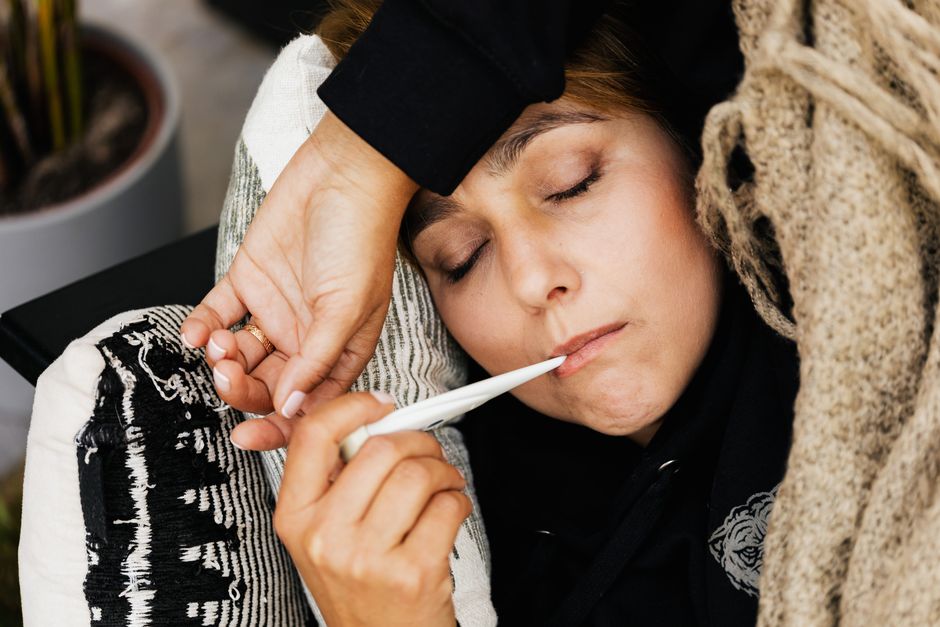
Most people who get sick in Mexico are not reacting to the food itself. They are picking up bacteria, viruses, or parasites from water or from food handled in ways that let contamination through. Traveler’s diarrhea is the most common illness among visitors, and it is usually caused by contaminated food or water rather than by spice, oil, or an unfamiliar cuisine. The good news is that the risk is well understood and largely manageable with a few consistent habits.
Why Do People Get Sick In Mexico And How To Avoid It?
The core reason is contamination, not cuisine. Mexican food is not inherently risky. What raises risk is water quality in some areas and food handling practices that vary widely from one kitchen to the next.
The most common culprit is bacteria, especially strains of E. coli that cause diarrhea. In some regions, Campylobacter, Salmonella, and Shigella also contribute. Viruses such as norovirus appear too. Parasites like Giardia are less frequent but do occur, often with a slower onset of symptoms.
Your body has no immunity to local organisms. Residents of an area build up tolerance over years of exposure. A visitor drinking the same water or eating the same salad has no such protection. This is why locals can eat a dish without issue while a traveler gets sick from it.
Water is the single biggest factor. Tap water in many parts of Mexico is not treated to the standard that makes it safe to drink without boiling or filtering. Ice made from tap water carries the same risk. So does produce washed in tap water.
Is It the Water, the Food, or Both?
Both, and they are connected. Water contaminates food during washing, preparation, and serving. A plate of fresh salsa or a side salad can carry risk not because of the ingredients but because of the water used to rinse them.
Food also picks up contamination from hands, surfaces, and utensils. A cook who is carrying a stomach bug can pass it along through food. This happens everywhere in the world, not just in Mexico. The difference for travelers is that the organisms are unfamiliar and the local food safety infrastructure varies.
Here is a detail many people miss: the risk is not evenly spread. Tourist areas with high turnover and international standards tend to be safer than small roadside stands. That is not a guarantee in either direction, but it is a reasonable pattern. A busy restaurant with a high volume of customers is often a better bet than a quiet one, because food turns over faster and is less likely to sit.
What Symptoms Should You Expect and When?
Traveler’s diarrhea typically starts within the first few days of a trip, though it can appear anytime during travel or shortly after returning. The hallmark is loose or watery stools, often with cramping, nausea, and a general feeling of being unwell.
Most cases are mild and resolve on their own within a few days to a week. The bigger concern is dehydration, especially in a hot climate. Losing fluid through diarrhea and sweating at the same time adds up quickly.
Watch for signs that this is more than a mild upset:
- Blood or mucus in the stool
- High fever
- Vomiting that prevents you from keeping fluids down
- Signs of dehydration such as dizziness, dark urine, or very little urination
- Symptoms that last beyond about a week
These warrant medical attention. In Mexico, pharmacies and clinics in tourist areas commonly see travelers and can assess you quickly. Do not wait if symptoms are severe.
How Can You Reduce Your Risk?
The most reliable protection is controlling what goes into your mouth. The old travel advice — boil it, cook it, peel it, or forget it — still holds up well. It is simple because it works.
For water, the safest options are bottled water from a sealed container, or water you have boiled or filtered yourself. A certified water filter rated for bacteria and parasites is a practical tool for longer trips. Chemical treatment with chlorine or iodine is another option, though it is less effective against some parasites.
Ice is worth thinking about. Ice in a drink is only as safe as the water it was made from. In many tourist establishments, ice is made from purified water. At a small street stall, that is less certain. If you are unsure, ask for drinks without ice.
Food choices matter too:
- Hot, freshly cooked food is generally safer than food that has been sitting out
- Fruit you peel yourself is lower risk than pre-cut fruit
- Raw salads and unpeeled produce washed in tap water carry more risk
- Street food that is cooked to order and served hot is often safer than it looks
Hand hygiene is easy to overlook. Wash your hands with soap and bottled or purified water before eating, or use an alcohol-based hand sanitizer when soap and safe water are not available. Many travelers focus on food and forget their own hands.
Do Probiotics or Preventive Medications Help?
The evidence here is mixed, and it is worth being honest about that. Some studies suggest certain probiotic strains may modestly reduce the risk or duration of traveler’s diarrhea. Results vary by strain and by study, and no probiotic has been shown to reliably prevent it.
Some clinicians prescribe preventive antibiotics for certain high-risk travelers, such as those with weakened immune systems or important trips that cannot be disrupted. This is not a routine recommendation for most people. Preventive antibiotics carry their own risks, including side effects and contributing to antibiotic resistance, and they are not appropriate for general use.
For treatment, some clinicians recommend a short course of antibiotics for moderate to severe cases, and loperamide (an anti-diarrheal) can reduce symptoms in mild cases. These decisions are best made with a healthcare provider. Do not self-treat with antibiotics you brought along without guidance, and never use anti-diarrheal medication if you have bloody diarrhea or high fever, because slowing the gut in that situation can make things worse.
The single most important treatment for most cases is rehydration. Oral rehydration solutions, available at pharmacies, replace water and salts more effectively than water alone. This is not a minor point — dehydration is what makes mild cases miserable and can make severe ones dangerous.
When Should You See a Doctor?
See a doctor if symptoms are severe, if there is blood in the stool, if fever is high, or if you cannot keep fluids down. Also seek care if diarrhea lasts more than about a week, or if you have a weakened immune system.
After you return home, tell your doctor you traveled to Mexico if you develop digestive symptoms. Some infections, including certain parasites, can cause symptoms that appear or persist weeks after you get back. Knowing your travel history helps a doctor consider causes they might otherwise miss.
Most people who get sick in Mexico recover fully without complications. The illness is common and unpleasant, but it is rarely serious in healthy adults. The goal of prevention is not fear — it is a handful of sensible habits that keep a good trip from being ruined by a bad few days.
Frequently Asked Questions
Can you drink the water in Mexico?
Tap water in much of Mexico is not considered safe to drink without treatment. Stick to sealed bottled water or water you have boiled or filtered.
How long does traveler’s diarrhea last?
Most cases are mild and resolve within a few days to about a week. Symptoms lasting longer than a week, or severe symptoms, should be checked by a doctor.
Is it safe to eat street food in Mexico?
Street food can be safe, especially when it is cooked fresh and served hot. Risk rises with food that has been sitting out or handled with poor hygiene.
Should you take antibiotics before traveling to Mexico?
Routine preventive antibiotics are not recommended for most travelers. Some clinicians prescribe them for specific high-risk situations, so discuss it with a healthcare provider.
