
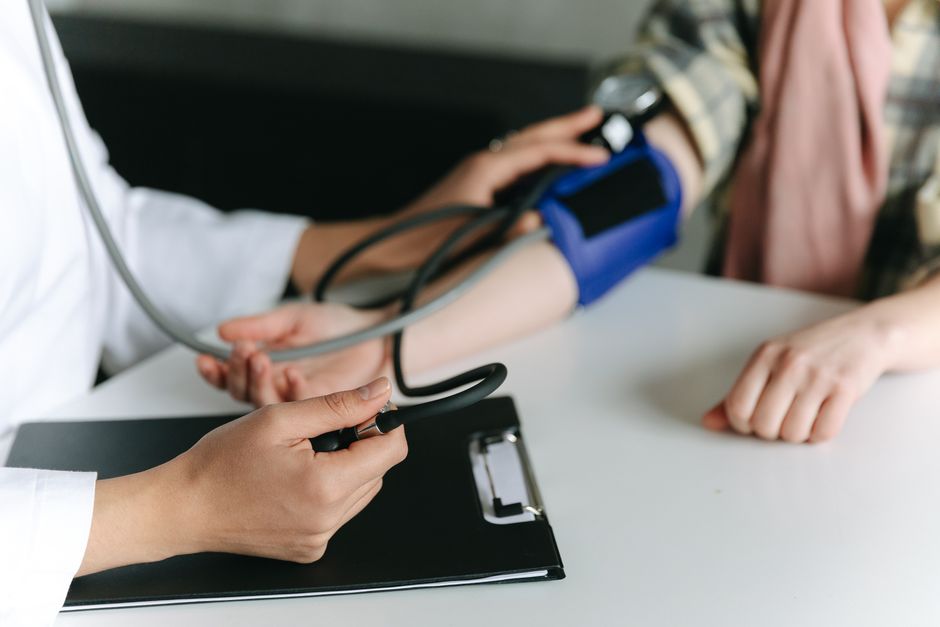
High blood pressure is rarely caused by one thing. It usually develops from a mix of factors working together over years: what you eat, how old you are, your genes, your weight, how much you move, how you sleep, and how much stress your body carries. Most people with high blood pressure have no single clear cause, which is exactly why it is so common and so easy to miss.
Blood pressure is the force of blood pushing against your artery walls. When that force stays too high, it quietly damages blood vessels, the heart, kidneys, eyes, and brain. The tricky part is that high blood pressure usually causes no symptoms. You can feel completely fine while your arteries are under strain.
Here is the honest picture of why people get high blood pressure, and which of these factors you can actually influence.
Why Do People Get High Blood Pressure Diet Age Genetics?
For most adults, high blood pressure comes from a combination of genetics, aging, and lifestyle. Genes set your baseline risk. Age stiffens your arteries. Diet and body weight push the numbers up or help keep them down. No single factor tells the whole story.
Doctors call the most common form primary (or essential) hypertension. It develops gradually and accounts for the large majority of cases. There is no single switch that flips it on. Instead, several small pressures add up over decades.
A smaller number of people have secondary hypertension, which means a specific condition is causing the high readings. Kidney disease, certain hormone disorders, sleep apnea, and some medications can do this. Secondary hypertension is worth ruling out, especially when blood pressure is very high or appears suddenly in younger adults.
How Does Diet Raise Blood Pressure?
Diet affects blood pressure mainly through sodium, potassium, and overall body weight. Excess sodium makes the body hold onto fluid, which raises pressure in many people. Too little potassium weakens the body’s ability to balance sodium. And carrying extra weight puts added demand on the heart and blood vessels.
Sodium is the most studied dietary factor. The body needs some sodium to work, but most Americans eat far more than they need, largely from packaged foods, restaurant meals, and processed meats rather than the salt shaker. The kidneys normally regulate sodium and water balance closely. When sodium intake stays high, that system can get pushed out of balance in people who are sensitive to salt.
Potassium works in the opposite direction. It helps the kidneys remove sodium and eases tension in blood vessel walls. Foods rich in potassium include beans, potatoes, bananas, spinach, and tomatoes. Most people get too little of it.
Alcohol matters too. Drinking heavily or regularly raises blood pressure over time. Caffeine causes a brief spike but has not been shown to cause lasting high blood pressure in most people.
Weight is closely tied to blood pressure. Losing excess weight often lowers blood pressure, and the effect tends to be meaningful even with modest weight loss. That does not mean weight is the only factor. Thin people get high blood pressure too.
How Does Age Change Blood Pressure?
Blood pressure tends to rise with age, and this happens even in people who do everything right. Arteries are elastic when we are young. Over time, they stiffen and lose some of that flexibility, so the same volume of blood produces more pressure.
This is why the shape of high blood pressure changes with age. Younger adults more often have high readings driven by the smaller arteries. Older adults more often have isolated systolic hypertension, where the top number is high but the bottom number is normal or even low. That top number is the one that matters more for risk in older adults.
Age-related stiffening is a normal part of biology, but the pace varies a lot between people. Lifestyle choices influence how fast arteries stiffen. So age raises the odds, but it does not decide the outcome on its own.
How Much Does Genetics Matter?
Genetics matter a lot. High blood pressure runs in families, and having a parent or sibling with it raises your own risk. Studies of twins and families consistently show that blood pressure has a strong inherited component.
But genes are not destiny. Inherited risk sets your starting point, not your finish line. Two people with similar genes can end up in very different places depending on diet, activity, weight, sleep, and stress.
Some genetic conditions cause high blood pressure directly, but these are uncommon. For most people, genetics works quietly in the background, nudging the numbers up while lifestyle decides how far they go.
One clarification worth knowing: high blood pressure is more common in some populations, including Black adults in the US, and it tends to appear earlier and be more severe. The reasons are complex and include social, environmental, and genetic factors. This is a well-documented pattern, not a personal failing.
What Other Factors Raise Blood Pressure?
Several everyday factors influence blood pressure beyond diet, age, and genes. Many are easy to overlook.
- Physical inactivity. Regular movement helps blood vessels stay flexible and supports a healthy weight.
- Poor sleep and sleep apnea. Sleep apnea is a common and often undiagnosed cause of resistant high blood pressure.
- Chronic stress. Stress can raise blood pressure, and it also tends to push people toward saltier food, more alcohol, and less sleep.
- Smoking. Smoking damages blood vessels and temporarily spikes blood pressure with each cigarette.
- Excess alcohol. Regular heavy drinking raises blood pressure over time.
- Certain medications. Some decongestants, anti-inflammatory drugs, and other medicines can raise blood pressure in some people.
These factors do not act alone. They stack on top of each other. A person with a family history who also sleeps poorly, eats a lot of sodium, and rarely exercises faces a much higher combined risk than any single factor would suggest.
What Do the Numbers Mean?
Blood pressure is written as two numbers. The top number (systolic) is the pressure when the heart beats. The bottom number (diastolic) is the pressure between beats, when the heart relaxes.
Clinical guidelines define these categories for adults:
| Category | Systolic (mm Hg) | Diastolic (mm Hg) |
|---|---|---|
| Normal | Less than 120 | Less than 80 |
| Elevated | 120–129 | Less than 80 |
| Stage 1 hypertension | 130–139 | 80–89 |
| Stage 2 hypertension | 140 or higher | 90 or higher |
| Hypertensive crisis | Higher than 180 | Higher than 120 |
A single high reading does not mean you have high blood pressure. Diagnosis usually requires repeated readings over time, taken correctly. One reading at the doctor’s office can be thrown off by stress, caffeine, or the setting itself. Home monitoring and ambulatory monitoring can give a clearer picture.
A reading above 180/120 is a medical emergency. Wait a few minutes and check again. If it stays that high, especially with chest pain, shortness of breath, weakness, or vision changes, seek emergency care right away.
Can You Prevent High Blood Pressure?
You cannot change your age or your genes, but you can influence many of the factors that push blood pressure up. Research consistently shows that lifestyle changes can lower blood pressure and reduce the risk of developing hypertension in the first place.
What the evidence supports:
- Eating less sodium and more potassium-rich foods
- Following a balanced eating pattern rich in vegetables, fruits, whole grains, and lean proteins
- Getting regular physical activity
- Maintaining a healthy weight
- Limiting alcohol
- Not smoking
- Getting enough good-quality sleep and treating sleep apnea if present
These steps do not guarantee you will avoid high blood pressure, especially if your genes load the dice against you. But they shift the odds in your favor and can make a real difference in your numbers.
If your blood pressure is already high, lifestyle changes are important but may not be enough on their own. Some people need medication. That is not a failure. It reflects how strongly genetics and age can drive blood pressure, and how well modern medicines work.
Frequently Asked Questions
Can you have high blood pressure and feel fine?
Yes. High blood pressure usually causes no symptoms, even when it is dangerously high. That is why regular checks matter, because you cannot rely on how you feel.
Is high blood pressure mostly caused by diet or genetics?
It is usually a mix of both, along with age and other lifestyle factors. Genetics sets your baseline risk, while diet, weight, and activity influence how high your numbers climb.
At what age does blood pressure usually start rising?
Blood pressure tends to rise gradually from early adulthood onward, and the increase often becomes more noticeable after age 50. Arteries stiffen with age, which raises pressure even in healthy people.
Can high blood pressure be reversed?
Some people can lower their blood pressure into a normal range through diet, weight loss, exercise, and other lifestyle changes. Others need medication, and some need both, depending on how strongly genetics and age are involved.
