
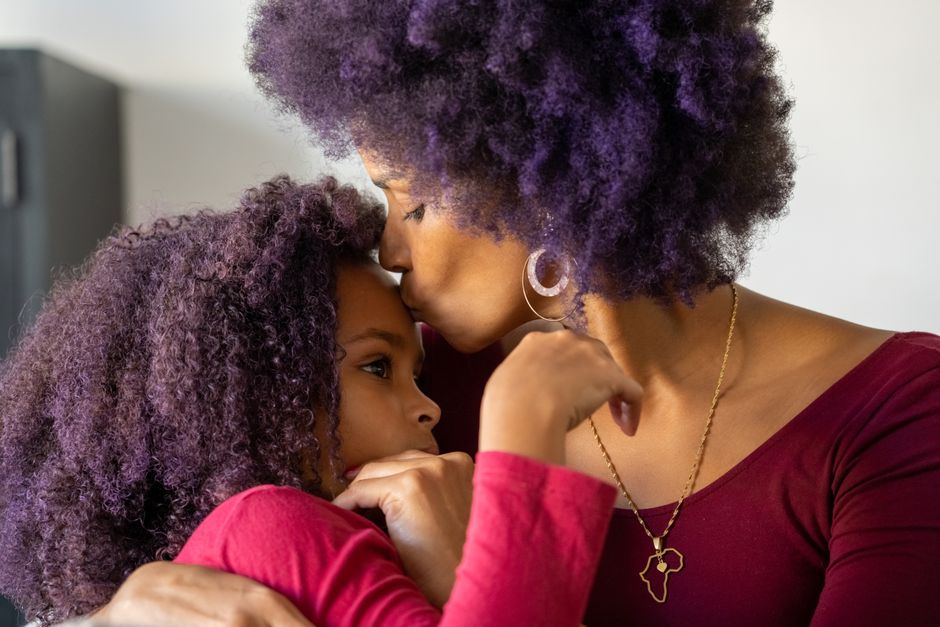
People dye their hair for many reasons, but the psychology behind it comes down to identity, control, and self-expression. Changing your hair color is a quick way to change how you see yourself and how the world sees you. It is a visible statement that you are in charge of your appearance, and it often reflects a deeper desire for renewal or a shift in how you want to be perceived.
Why Do People Dye Their Hair The Psychology Explained
Hair is one of the most personal parts of your appearance. It frames your face and is one of the first things people notice. Because it is so visible, changing it sends a strong message to others and to yourself.
Psychologists view hair dyeing as a form of self-presentation. When you change your hair, you are actively managing the impression you make. This is not superficial. It is a normal part of how people build and maintain their identity.
For many, dyeing hair is about taking control. Your natural hair changes with age, stress, and health. Dyeing it back to a familiar color can restore a sense of normalcy. For others, it is about breaking free from expectations. A bold color can signal creativity or independence before you even say a word.
What Does Changing Your Hair Color Say About You
Color choices carry psychological weight. Research on color psychology is not exact, but patterns do emerge in how people interpret different shades.
Going darker often signals seriousness or sophistication. People frequently darken their hair for job interviews or major life transitions. It can feel grounding and authoritative.
Going lighter is often associated with approachability and fun. Many people lighten their hair in summer or before a vacation. It can feel like a release from routine.
Bold colors like red, purple, or blue are different. These choices are less about fitting in and more about standing out. They often appear during periods of personal reinvention or when someone wants to signal their uniqueness.
The key insight is that the meaning is personal. The same blonde shade might feel confident to one person and uncomfortable to another. Your reaction to your own hair color matters more than any general interpretation.
How Age and Life Transitions Influence Hair Dyeing
Hair dyeing is not random. It often clusters around major life events.
Turning 30, 40, or 50 can trigger a change. These milestones make people evaluate their lives. Changing your hair is a low-risk way to feel renewed. It provides a visible marker of a new chapter without requiring a major life change.
Divorce, breakups, and career changes are common triggers. After a relationship ends, many people change their appearance. This is not just about looking different. It is about reclaiming a sense of self that may have been tied to the relationship.
Gray hair is another factor. The decision to cover gray or let it show is deeply personal. Some view gray as wisdom and authenticity. Others see it as a reminder of aging they are not ready to accept. There is no right answer. The choice reflects how you feel about aging in general.
For women especially, social pressure around aging is real. The beauty industry often frames gray hair as something to fix. But a growing number of people are choosing to let their gray grow out. This is not laziness. It is a deliberate statement about accepting the aging process.





Is Hair Dyeing Linked to Mental Health
The relationship between hair dyeing and mental health is complicated. For most people, it is a healthy form of self-care. For a smaller group, it can become part of a larger struggle.
When dyeing hair feels good and is done by choice, it can boost confidence. The act of caring for your appearance is a form of self-respect. It can be especially helpful during low periods when basic self-care feels hard.
But there is a darker side. Some people use constant hair changes to chase a feeling that never lasts. If you feel urgent distress about your appearance and dye your hair repeatedly without satisfaction, this may be worth examining.
Body dysmorphic disorder is a mental health condition where people obsess over perceived flaws. Hair can become a focus of this obsession. If you spend hours thinking about your hair color or feel intense distress when it is not right, this goes beyond normal vanity.
Hair pulling, known as trichotillomania, is a separate condition. It involves pulling out hair as a way to manage stress. Dyeing hair does not cause this, but some people with the condition dye their hair to hide the damage. Neither condition is caused by dyeing hair. They are separate issues that may overlap.
If your relationship with your hair causes significant distress, talking to a mental health professional is a reasonable step. They can help you understand whether your concerns are typical or part of a larger pattern.
The Physical Risks of Hair Dye You Should Know
The psychology matters, but so does the chemistry. Hair dye is not risk-free.
Allergic reactions are the most common concern. The ingredient most often responsible is para-phenylenediamine, or PPD. It is found in most permanent dyes, especially darker shades. Reactions range from mild itching to severe swelling of the scalp, face, and airways.
A patch test is recommended before every application. This means applying a small amount of dye behind your ear or on your inner arm 48 hours before your full application. Even if you have used the same product before, allergies can develop at any time.
Some research has examined whether hair dye increases cancer risk. The evidence is mixed. Some studies have found a slightly higher risk of certain cancers among hairdressers who are exposed daily. The risk for people who dye their hair every few weeks appears to be much lower, but it is not zero.
Current evidence does not support a strong link between personal hair dye use and most cancers. But the research is ongoing. If you are concerned, you can reduce exposure by using temporary dyes, spacing out applications, or choosing products with fewer chemical ingredients.
Pregnancy adds another layer of caution. Most experts consider hair dye safe to use during pregnancy because only small amounts are absorbed through the scalp. However, many healthcare providers recommend waiting until after the first trimester. This is a precaution, not a proven risk. If you are pregnant and unsure, ask your obstetrician.
How the Hair Dye Industry Uses Psychology
The hair dye industry understands these motivations well. Marketing campaigns are built around the psychological drivers of renewal, confidence, and control.
Advertisements rarely sell a color. They sell a feeling. A woman laughing with friends after dyeing her hair. A man looking in the mirror with new confidence. These images connect the product to emotional outcomes, not just pigment.
This is not manipulation. It is effective communication. The industry sells what people are actually looking for. But it is worth recognizing that the promise of transformation is often bigger than the reality. Hair color changes your appearance. It does not change your life.
Be skeptical of claims that a product will make you look 10 years younger or completely restore your confidence. No hair product can deliver that. What it can do is give you a fresh look that may help you feel more like yourself.
When Hair Dyeing Becomes a Problem
Most hair dyeing is normal and healthy. But there are signs that it may be causing more harm than good.
If you are spending money you do not have on hair dye, that is a problem. If you are skipping social events because your hair is not ready, that is a problem. If you feel panic or intense anxiety when your hair color fades, that may be worth exploring with a professional.
These patterns suggest that your hair has become tied to your self-worth in an unhealthy way. Your hair is part of you, but it is not the whole of you. When it starts to define your mood or your ability to function, it has moved beyond self-care into something else.
There is no official diagnosis for hair dye dependency. But mental health professionals recognize that appearance-related concerns can become consuming. If this sounds like you, consider talking to a therapist. They can help you separate your identity from your reflection.
Frequently Asked Questions
Why do people dye their hair after a breakup?
Changing your appearance after a breakup is a way to reclaim a sense of control and mark a new chapter. It signals to yourself and others that you are moving forward.
Does dyeing your hair damage it permanently?
Permanent hair dye can weaken the hair shaft, but the damage is not permanent since hair grows back. The new growth is unaffected, and the damage resolves as the dyed hair is trimmed away.
Is it normal to feel anxious about your hair color?
Mild concern about your hair color is normal. If anxiety about your hair interferes with daily life or causes significant distress, it may be worth discussing with a mental health professional.
Can hair dye cause cancer?
The evidence is mixed, and no large study has confirmed a strong link between personal hair dye use and cancer. Some studies suggest a slightly higher risk for hairdressers with daily exposure, but the risk for regular users appears low.
