
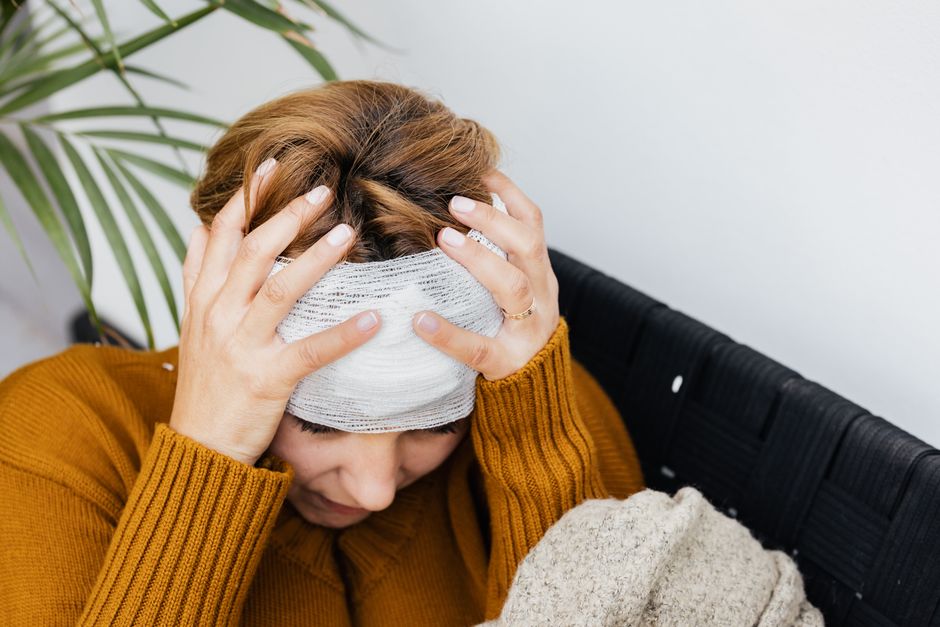
Waking up with sore teeth and achy gums is a common complaint among CPAP users. The pressure and force of the mask, combined with changes in how your jaw rests, can put a real strain on your mouth. If you are asking, “Why do my teeth hurt after using CPAP?”, the short answer is that the mask is likely pulling on your face or pushing your jaw into an unnatural position while you sleep.
Why Do My Teeth Hurt After Using Cpap?
Your teeth hurt because the CPAP mask applies direct pressure to your face, and that pressure transfers to your jaw and teeth. The most common cause is a mask that is too tight. Many people tighten their straps to stop air leaks, which pulls the lower jaw backward and puts stress on the teeth and jaw joints.
Another frequent cause is the position of your jaw while you sleep. With the mask on, your jaw may drop open or shift to one side. This changes how your teeth meet, creating strain on the ligaments that hold your teeth in place. That strain shows up as soreness, tenderness, or even a dull ache in the morning.
What Is the Link Between CPAP Pressure and Tooth Pain?
CPAP delivers pressurized air to keep your airway open. That pressure does not directly damage your teeth. The problem is how your body reacts to the mask and the airflow.
When you wear a mask, your facial muscles have to work to hold it in place. Over time, this can cause muscle fatigue. The muscles around your jaw and cheeks become tense, and that tension can make your teeth feel sore. Some people also clench their jaw or grind their teeth while using CPAP, often as a subconscious response to the mask or the pressure of the air.
Bruxism, which is the medical term for teeth grinding or clenching, is a known side effect for some CPAP users. The body may respond to the foreign object on the face by tightening the jaw. This grinding and clenching puts repeated force on the teeth, which can cause pain, sensitivity, and even damage over time.
Which Mask Type Is More Likely to Cause Tooth Pain?
Full-face masks cover both your nose and mouth. These tend to cause more jaw and tooth discomfort than nasal masks. The larger surface area means more pressure on the face, and the design makes it easier for the jaw to be pushed backward.
Nasal masks cover only your nose. They allow your mouth to move more freely, which reduces some of the strain on your teeth. However, they are not immune to causing problems. If your mouth falls open during the night, the air from a nasal mask can escape, and you may wake up with a dry mouth and sore teeth from trying to keep your lips sealed.
Nasal pillow masks are the smallest option. They sit directly under your nostrils and put the least amount of pressure on your face. For many people, this is the most comfortable choice for avoiding tooth and jaw pain. But they are not right for everyone, especially if you breathe through your mouth at night.

How Can You Relieve Tooth Pain Caused by CPAP?
If you wake up with sore teeth, the first step is to check your mask fit. The mask should be snug but not tight. You should be able to slide one finger comfortably under the straps. If you cannot, the mask is too tight.
Loosening the straps often solves the problem. A mask that fits properly should not leave deep red marks on your face that last more than a few minutes after you wake up. If it does, the pressure is too high.
Consider a different mask style. If you use a full-face mask and have persistent tooth pain, talk to your sleep specialist about switching to a nasal mask or nasal pillows. This simple change can reduce jaw strain significantly.
Using a chin strap can also help. A chin strap keeps your mouth closed during sleep, which prevents your jaw from dropping into an unnatural position. This reduces the pressure on your teeth and helps you get better therapy at the same time.
When Should You See a Dentist or Doctor?
Mild tooth soreness that goes away within an hour of waking is usually not a cause for concern. It is a sign that your mask fit needs adjustment. But if the pain lasts all day, gets worse over time, or is accompanied by headaches, jaw clicking, or ear pain, you should seek professional help.
A dentist can check for signs of grinding or clenching. They may recommend a custom mouthguard to protect your teeth while you sleep. This is different from a CPAP mask and can be worn alongside it. The mouthguard creates a barrier between your upper and lower teeth, absorbing the force of clenching and preventing damage.
Your sleep specialist should also be involved. They can adjust your CPAP pressure settings. Sometimes lower pressure reduces the urge to clench or grind. They can also evaluate whether your mask type is the best fit for your facial structure.
In rare cases, tooth pain from CPAP can be a sign of a sinus issue. The pressurized air can irritate the sinuses, and sinus pressure can radiate to the upper teeth. If you also have nasal congestion, facial pressure, or a headache, sinus inflammation may be the real cause of your tooth pain.
Can CPAP Cause Permanent Damage to Your Teeth?
CPAP itself does not directly damage teeth. The mask and pressure are not harmful to tooth enamel or the roots of your teeth. The risk comes from the behaviors it triggers, mainly clenching and grinding.
Chronic grinding can wear down enamel, chip teeth, and loosen them over time. It can also lead to receding gums and increased tooth sensitivity. These effects take months or years to develop, so short-term soreness after starting CPAP is rarely a sign of permanent damage.
The key is to address the problem early. If you notice tooth pain in the first few weeks of using CPAP, do not ignore it. Adjusting your mask fit, changing your mask type, or using a mouthguard can prevent long-term issues.
Does CPAP Affect Dental Work Like Crowns or Implants?
CPAP does not have a known direct effect on crowns, fillings, or implants. The pressurized air does not interact with dental materials in a harmful way. The concern is again related to grinding and clenching.
If you grind your teeth while using CPAP, the extra force can damage dental work. Crowns can crack, fillings can loosen, and implants can experience excessive stress. If you have significant dental work and are starting CPAP, mention it to your dentist. They may recommend a mouthguard from the start to protect your investment in your teeth.
Frequently Asked Questions
Why do my teeth hurt in the morning after using CPAP?
Your teeth hurt because the mask is putting pressure on your jaw or causing you to clench and grind your teeth during sleep. Loosening the mask straps or switching to a smaller mask style often relieves the pain.
Can a CPAP mask cause jaw pain and tooth sensitivity?
Yes, a CPAP mask can cause both jaw pain and tooth sensitivity by pushing the jaw backward or forcing you to clench your teeth. The pressure on the facial muscles and jaw joints transfers directly to your teeth.
Should I stop using my CPAP if my teeth hurt?
No, you should not stop using your CPAP without talking to your doctor first. Adjusting the mask fit, changing the mask type, or using a mouthguard can usually resolve the pain while keeping your sleep apnea treated.
What type of CPAP mask is best for avoiding tooth pain?
Nasal pillow masks are generally the least likely to cause tooth pain because they put the least pressure on your face and jaw. Full-face masks are more likely to cause problems because they cover more surface area and can push the jaw backward.
