
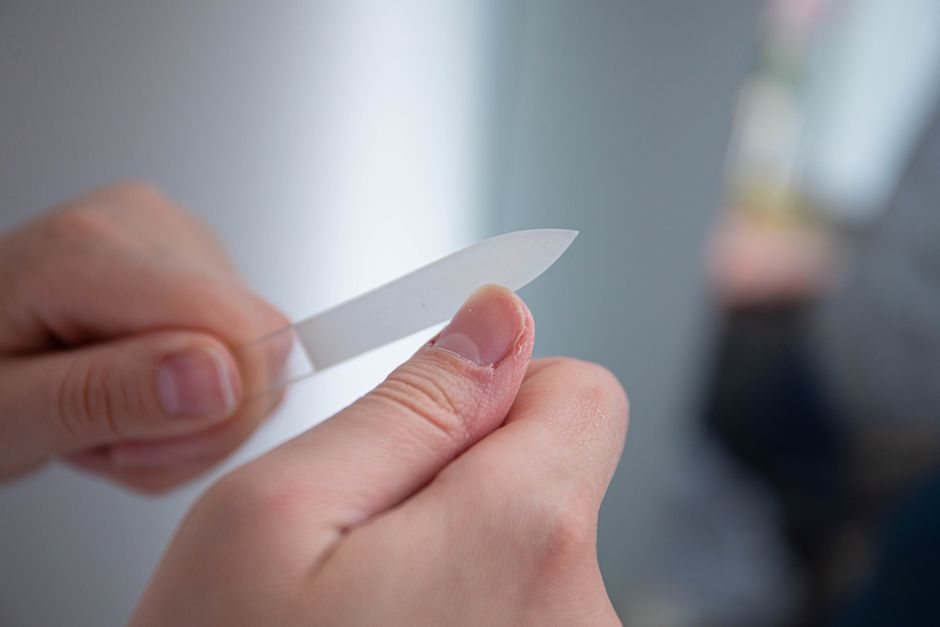
Your nails hurt after gel removal because the removal process strips away several layers of the natural nail plate along with the gel. Most gel polishes are removed by soaking in acetone, and that solvent dehydrates and softens the nail. Add scraping or peeling, and the nail plate thins. A thinner nail plate means less insulation for the sensitive nail bed underneath, which is packed with nerve endings. That is why pressure, temperature, and even light touch can feel painful for a while.
Gel manicures involve a chemical process, not just a coat of paint. The gel is cured under a UV or LED lamp, and it bonds tightly to the nail. Getting it off requires breaking that bond. When removal is done carefully, the damage is usually minor. When it is rushed, picked, or peeled, the pain can last days to weeks. The nail will regrow, but it needs time and gentle handling to recover.
Why Do My Nails Hurt After Removing Gel Causes Fixes?
The pain comes from a thin, dehydrated nail plate exposing a sensitive nail bed. Several things combine to cause this.
Acetone is the standard solvent for gel removal, and it is very effective at breaking down the polish. It also removes moisture and some of the natural oils from the nail plate. Nails become more brittle and less flexible after repeated acetone exposure. A dehydrated nail is more likely to crack, split, or separate from the nail bed at the edges.
Mechanical damage is the bigger factor. Many people — and some nail technicians — scrape or file the softened gel off the nail. If the gel has not fully dissolved, that scraping can remove layers of the nail plate itself. The nail plate is only about 0.5 millimeters thick on a typical fingernail. Removing even a small amount of it matters. Peeling gel off before it is fully loose is the most common cause of significant nail damage and pain.
The nail bed is not the hard part. The nail plate is the hard keratin structure you see. The nail bed is the pink tissue underneath, and it is rich in blood vessels and nerve endings. When the plate thins, the bed has less protection. That is the direct source of the soreness, tenderness, and throbbing many people feel after removal.
How Long Should Nail Pain Last After Gel Removal?
Mild tenderness usually settles within a few days. More significant damage can take several weeks to feel normal again.
The timeline depends on how much nail plate was removed and whether the nail bed was injured. Superficial dehydration and mild thinning typically improve as the nail rehydrates, which can happen over days to a couple of weeks with gentle care. If the nail plate was scraped down substantially or peeled, the discomfort can persist longer because the plate has to regrow thickness from the base outward.
Fingernails grow slowly. A full fingernail takes roughly six months to replace itself completely, though this varies from person to person. That does not mean pain lasts six months. It means the nail you damaged has to grow out. As new, healthy nail emerges from the cuticle area, the thin section moves toward the tip and eventually gets trimmed away.
Pain that is severe, worsening, or accompanied by swelling, pus, or a deep red or dark discoloration is not normal recovery. Those signs can point to infection or injury to the nail bed, and they warrant medical attention rather than waiting it out.
What Makes Gel Removal Damage Worse?
Peeling and picking are the biggest culprits. When gel starts to lift at an edge, the urge to pull it off is strong. That pull takes layers of the nail plate with it. It is one of the most reliable ways to cause pain and thinning.
Other factors that increase damage include:
- Scraping or filing the nail aggressively during removal instead of letting the acetone do the work
- Soaking in acetone far longer than needed, or repeating removal frequently with little recovery time between manicures
- Applying another gel manicure immediately onto a thinned, tender nail
- Using a UV or LED lamp repeatedly on already-compromised nails, which some people find drying over time
- Removing gel at home without understanding how fully cured gel behaves — cured gel does not dissolve easily and resists gentle removal
Frequent back-to-back gel manicures are a common pattern. Each removal thins the nail a little, and without time to recover, the plate never rebuilds before the next round. Over months, nails can become noticeably thin, flexible, and sore.





Is It Normal for Nails to Feel Sensitive After Gel Removal?
Some sensitivity is common and expected. Significant pain is not something to accept as normal.
A mild tenderness or a sense of weakness in the nails for a day or two after removal is widely reported and generally minor. It reflects temporary dehydration and slight thinning. What is not typical is sharp pain, pain that interferes with daily tasks, or nails that look visibly damaged — deep ridges, separation from the nail bed, or a nail that bends easily and hurts when pressed.
It helps to separate two things that get lumped together. Dehydration makes nails feel dry and brittle. Thinning makes them structurally weaker and less protective of the nail bed. The first is mostly a moisture issue and improves with time and gentle care. The second is physical loss of nail plate and takes longer, because the nail has to regrow. Both can happen at once, which is why post-removal nails can feel both dry and sore.
What Can You Do to Ease the Pain and Help Nails Recover?
Gentle care and patience do most of the work. There is no product that rebuilds a thinned nail plate quickly, because the nail plate is not living tissue that heals like skin. It grows out.
Practical steps that make sense based on how nails behave:
- Keep nails short while they recover, so the thin, weak section is less likely to catch and tear
- Moisturize the nails and cuticles regularly with a hand cream or cuticle oil to counter acetone dryness
- Avoid another gel manicure until the nail feels stronger and the thin section has grown out
- Wear gloves for dishes and cleaning to reduce water and chemical exposure
- Do not pick, peel, or scrape at the nail surface
- Use gentle, non-acetone polish removers if you wear regular polish during recovery
Be cautious about products marketed to “strengthen” or “repair” damaged nails. Some contain ingredients that can temporarily harden the surface, but no topical product has been shown to rebuild lost nail plate. Nail hardeners in particular can make already-brittle nails more prone to snapping if overused. The honest position is that time and protection do more than any treatment.
If a nail is painful to the touch, protecting it with a simple bandage during tasks can reduce the chance of bumping it. Avoid tight shoes if toenails are involved.
When Should You See a Doctor About Nail Pain?
Most post-gel soreness resolves on its own. Certain signs mean it is time to get it checked.
See a healthcare provider if you notice:
- Swelling, warmth, or pus around the nail
- A deep red, brown, or black discoloration that does not grow out
- Separation of the nail from the nail bed (the nail lifts away)
- Pain that is severe or getting worse rather than better
- Signs of a fungal infection — thickening, crumbling, or a change in nail color that spreads
- Fever or spreading redness, which can signal infection
These signs can point to a bacterial or fungal infection, or to injury of the nail bed. They are not things to treat at home with guesswork. A clinician can tell the difference and advise on next steps.
People with diabetes or poor circulation should pay particular attention to any nail injury or sign of infection and seek care promptly, because infections in the feet and hands can be more serious for them.
Can You Prevent Nail Pain From Gel Removal?
Careful removal and spacing out manicures reduce the risk substantially. The goal is to protect the nail plate, not just remove the polish.
The safest approach is to let a trained technician remove gel properly, or to follow removal instructions carefully at home. Soaking long enough for the gel to lift on its own, then gently pushing — not scraping — is the key. Never force gel off. If it resists, it needs more soak time, not more pressure.
Giving nails a break between gel manicures matters more than many people realize. A stretch without gel allows the plate to recover and the thin sections to grow out. Some people rotate gel with regular polish, or take periodic breaks, to limit cumulative thinning.
It also helps to be honest about your own nails. If your nails are already thin, brittle, or prone to peeling, frequent gel manicures may cause more trouble than they are worth. That is a personal trade-off, not a rule, but it is worth knowing before committing to a routine.
Frequently Asked Questions
Why do my nails hurt after removing gel polish?
Removal with acetone and scraping or peeling thins and dries the nail plate, leaving the sensitive nail bed less protected. That thinning and dehydration is what causes the soreness.
How long does nail pain last after gel removal?
Mild tenderness usually settles within a few days, while more significant damage can take several weeks to feel normal. Severe or worsening pain with swelling or pus needs medical attention.
Should I put another gel manicure on sore nails?
It is better to wait until the nail feels stronger and the thin section has grown out. Applying gel again right away can add more thinning before the nail has recovered.
Can damaged nails from gel be repaired with a product?
No topical product has been shown to rebuild lost nail plate. The nail has to regrow, so time, moisture, and protection do more than any marketed treatment.
