
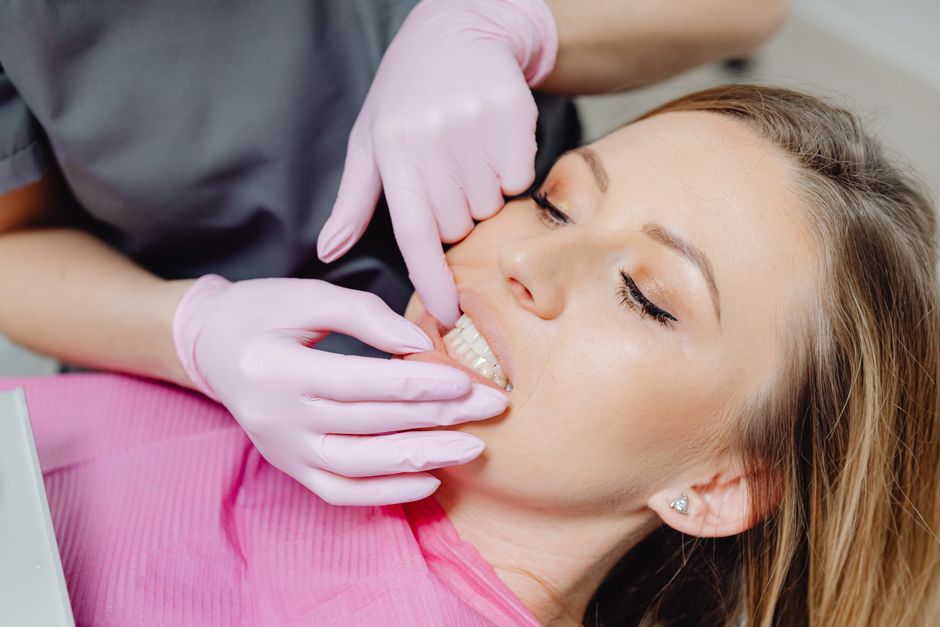
Gums that swell without warning usually signal inflammation, and the most common cause is a buildup of bacteria along the gumline. That inflammation can flare suddenly even when nothing feels different day to day. The trigger is often something small — a bit of trapped food, plaque that hardened into tartar, a new medication, or a change in hormones. Most gum swelling is treatable, and the earlier you identify the cause, the faster it settles.
Why Do My Gums Randomly Swell And How To Help?
Swelling is your body’s inflammatory response, not the problem itself. The immune system sends extra blood and fluid to the gum tissue to fight bacteria or repair damage, and that process produces the puffiness, redness, and tenderness you feel.
Gum tissue sits directly against the tooth surface, which makes it easy for bacteria to collect in the narrow space between gum and tooth. When plaque stays in that space, the immune system keeps responding. A flare can seem random because inflammation builds quietly and then crosses a threshold — often after a missed brushing, a stressful stretch, or a night of clenching your jaw.
Here is a point many people miss: healthy gums do not usually swell on their own. Random swelling is a signal worth investigating rather than ignoring. It does not always mean something serious, but it does mean the tissue is reacting to something.
What Are the Most Common Causes of Sudden Gum Swelling?
Gingivitis is the most common cause. It is inflammation of the gums caused by plaque, and it is both very common and reversible with good oral care. When plaque is not removed, it can harden into tartar within roughly a day or two, and tartar cannot be brushed away at home — it needs professional removal.
Other frequent triggers include:
- Trapped food or debris between teeth, which can irritate the gum and cause a localized swollen spot.
- A canker sore or minor injury from a sharp chip, a hard brush, or a dental cleaning.
- Pregnancy and hormonal shifts, which make gum tissue more sensitive to plaque. Pregnancy gingivitis is well documented.
- Medications, including some blood pressure drugs, antiseizure drugs, and immunosuppressants, which can cause gum overgrowth in some people.
- Dry mouth, which reduces the saliva that normally helps wash bacteria away.
- Vitamin deficiencies, particularly of vitamin C, though this is uncommon in people eating a varied diet.
- Medical conditions such as diabetes, which affects the body’s ability to fight infection and is closely linked to gum disease.
Less often, swelling can reflect a dental abscess, a localized infection that needs prompt professional care. It can also be an early sign of periodontal disease, where inflammation extends below the gumline and starts to damage the bone supporting the teeth.
When Is Swollen Gum a Sign of Something More Serious?
Most gum swelling is not an emergency. Certain patterns do warrant a dental visit without delay because they suggest infection that could spread or damage tissue.
Seek prompt care if you notice:
- Swelling that spreads to your face, cheek, or jaw
- Fever along with gum swelling
- Severe pain or a bad taste in your mouth
- Difficulty swallowing or opening your mouth
- A loose tooth or gums that pull away from the tooth
- Swelling that does not improve after a week of careful home care
Facial swelling with fever can indicate a spreading dental infection. That situation needs urgent professional evaluation, not home remedies. Dental infections in the mouth can, in rare cases, spread to deeper tissues, which is why these warning signs matter.
How Do You Treat Swollen Gums at Home?
Good oral hygiene is the foundation, and it is the one thing consistently supported by dental research. Brushing twice a day with a fluoride toothpaste and cleaning between the teeth once a day removes the plaque that drives inflammation. Flossing or using interdental brushes reaches the spaces a toothbrush cannot.
For short-term comfort, some people find relief with:
- Rinsing with warm salt water, a traditional and generally safe comfort measure
- A soft-bristled toothbrush to avoid further irritation
- Avoiding very hot, spicy, or acidic foods while the tissue is sore
- Staying hydrated to support saliva flow
Be cautious about antiseptic or medicated mouthwashes. Some can help, but they are not a substitute for removing plaque, and long-term use of certain rinses can stain teeth or affect taste. If you use one, follow the label and check with a dentist if you plan to use it regularly.
No home remedy removes tartar. Once plaque hardens, only a professional cleaning can take it off. This is why home care alone sometimes cannot fully resolve recurring swelling.
What Happens at a Dental Visit for Swollen Gums?
A dentist or dental hygienist will usually examine the gums, measure the pockets between gum and tooth, and check for tartar and plaque buildup. These measurements help distinguish simple gingivitis from periodontal disease.
A professional cleaning removes plaque and tartar above and, if needed, below the gumline. For more advanced disease, a dentist may recommend a deeper cleaning procedure called scaling and root planing. Some clinicians also recommend more frequent cleanings for people with a history of gum disease.
If a medication is suspected as the cause, your dentist may coordinate with your prescribing doctor. Do not stop a prescribed medication on your own — that conversation belongs with the clinician who prescribed it.
Can You Prevent Gum Swelling From Coming Back?
Consistent daily plaque removal is the most reliable way to reduce recurrence. That means brushing thoroughly, cleaning between teeth, and keeping regular dental appointments. Professional cleanings catch what home care misses and let a clinician spot early problems.
Other steps that support gum health include not smoking, managing blood sugar if you have diabetes, and telling your dentist about any new medications. Smoking is one of the strongest risk factors for gum disease, and it can also mask the bleeding that would otherwise signal a problem.
If swelling keeps returning in the same spot, that pattern is worth pointing out to your dentist. A recurring localized swelling can sometimes point to a specific issue, such as a piece of debris, a cracked tooth, or a small infection that needs targeted treatment.
Frequently Asked Questions
Why do my gums swell randomly?
Random swelling usually reflects inflammation from plaque bacteria, often triggered by a missed cleaning, trapped food, hormonal changes, or a new medication. Healthy gums do not typically swell on their own, so recurring swelling is worth a dental check.
How long does swollen gum take to go away?
Mild swelling from gingivitis often improves within a week or two of consistent brushing and flossing, though this varies. Swelling that lasts longer or keeps returning should be evaluated by a dentist.
Can stress cause swollen gums?
Stress does not directly inflame gums, but it can affect oral care habits, increase teeth clenching, and influence the immune response. Some evidence links stress to worse gum health, though the relationship is not fully understood.
When should I see a dentist for swollen gums?
See a dentist if swelling spreads to your face, comes with fever or severe pain, or does not improve within about a week. Those signs can indicate an infection that needs prompt treatment.
