
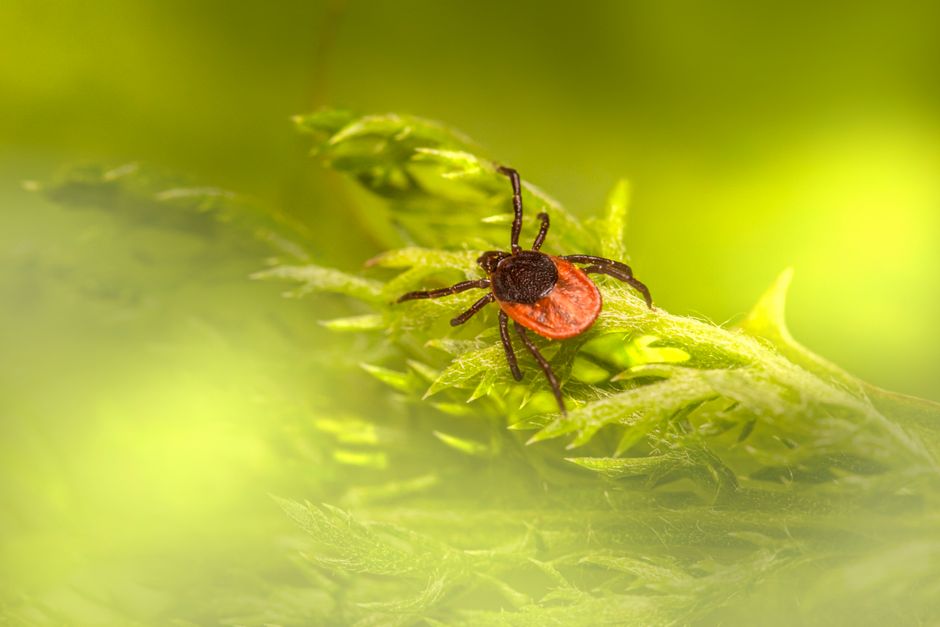
Ladybugs can bite, but they are not built to bite people. The insects most of us call ladybugs are beetles in the family Coccinellidae, and they feed on aphids and other soft-bodied pests using chewing mouthparts. When a ladybug lands on bare skin, it may probe or nip as it searches for moisture or a way off. The result is usually a small pinch, not a wound. True ladybug bites are rare, mild, and not known to transmit disease to humans.
What complicates the picture is that the insect biting you is often not a ladybug at all. Several lookalike beetles and bugs get lumped into the same nickname. Some of them bite more readily, and one of them can leave a mark that lasts for days.
Why Do Ladybugs Bite And Are They Harmful?
A ladybug’s mouthparts are designed for chewing aphids, not piercing human skin. The anatomy simply does not match the task. So when a bite happens, it is usually an accident.
The most common scenario involves the multicolored Asian lady beetle, Harmonia axyridis. This species was introduced to North America decades ago to control agricultural pests, and it has since spread widely. It looks almost identical to native ladybugs, which is why most people never notice the difference.
In autumn, these beetles gather in large numbers on warm, sunlit surfaces. They are looking for places to spend the winter. Houses, sheds, and vehicles become temporary shelters. When hundreds land on a person at once, some will probe the skin. The sensation is often described as a light pinch or a tiny pinch followed by a brief sting.
There is a second, more important reason these beetles end up on skin. When threatened, many lady beetles release a yellow-orange fluid from their leg joints. This behavior is called reflex bleeding. The fluid contains alkaloids that taste bitter and deter predators. If the beetle is trapped against skin, it may release this fluid directly onto you.
That fluid, not the bite itself, is usually what causes a reaction. Some people develop a small red mark, mild itching, or slight swelling where the fluid touches skin. The reaction is typically short-lived. It is not an infection, and it does not spread.
So are ladybugs harmful? For the vast majority of people, no. The bite is not dangerous, and the fluid is not toxic in any meaningful way. But there are two honest caveats.
First, some people are sensitive to the alkaloids in the reflex fluid. For them, the reaction can be more noticeable — a raised, itchy patch that lingers for a day or two. This is uncommon but real.
Second, in rare cases, the fluid can irritate the eyes or the inside of the nose if a beetle is crushed near the face. This is a mechanical and chemical irritation, not an allergic emergency. Rinsing with water is the standard response.
What Does A Ladybug Bite Actually Feel Like?
Most people describe it as a quick pinch. It lasts a second or two. There is no throbbing, no deep pain, and no bleeding.
If the beetle releases reflex fluid at the same time, you may feel a faint sting or a warm sensation right after. That is the chemical irritation, not the bite.
Within minutes, some people notice a small red spot. It may itch slightly. It usually fades within an hour or so.
There is one detail worth knowing. The sensation people report most often is not from a bite at all. It is from the beetle’s tarsal claws — tiny hooked structures on the feet — gripping the skin as the insect walks. On sensitive areas, that grip can feel like a pinch. Many “ladybug bites” are actually just this.
Is The Asian Lady Beetle More Aggressive Than Native Ladybugs?
Yes, in a practical sense. The multicolored Asian lady beetle is more likely to end up on people, and more likely to bite when it does.
Native ladybugs are generally found on plants, where they hunt aphids. They have little reason to land on humans. The Asian lady beetle, by contrast, seeks out warm structures in fall. It congregates in large numbers. When it lands on skin, it may probe.
The difference is behavioral, not venomous. Neither insect has venom. Neither is dangerous. But the Asian lady beetle is the one most people are actually encountering when they report a bite.
There is also a seasonal pattern. Bites are reported most often in autumn, when the beetles are seeking shelter. In spring and summer, encounters are far less common.





Can Ladybugs Cause Allergies Or Skin Reactions?
The reflex fluid can cause a contact reaction in some people. The alkaloids in the fluid — primarily compounds in a group called coccinelline — are irritants to sensitive skin.
The reaction usually looks like a small red patch or a few raised bumps. It may itch. It typically resolves on its own within a day or two.
This is not the same as a true allergy. A true allergy involves an immune response, and there is no established evidence that lady beetle bites or fluids trigger anaphylaxis in humans. Reports of severe reactions are rare and not well documented in the medical literature.
If you have sensitive skin and a beetle releases fluid on you, wash the area with soap and water. That removes the residue and reduces the chance of irritation. If a reaction does occur and does not settle within a few days, or if it spreads, see a doctor. That is general advice, not a specific treatment protocol.
How Do You Tell A Ladybug Bite From Other Bug Bites?
In most cases, you cannot tell with certainty. That is the honest answer.
Ladybug bites are small, transient, and leave little evidence. A mosquito bite itches and swells. A flea bite often appears in clusters around the ankles. A bedbug bite may appear in a line or small group. A spider bite can leave two tiny puncture marks and a more pronounced reaction.
A ladybug bite, if it leaves anything at all, is usually a single small red spot that fades quickly. There is no reliable visual signature.
What matters more than identification is what you do next. Most small insect bites are managed the same way: wash the area, avoid scratching, and watch for signs of infection such as spreading redness, warmth, or pus. Those signs warrant medical attention regardless of what bit you.
What Should You Do If A Ladybug Bites You?
Nothing dramatic is needed. The bite itself does not require treatment.
- Move the beetle off your skin gently. Do not crush it against you — that is what releases the fluid.
- Wash the area with soap and water.
- If it itches, a cool compress helps. Over-the-counter hydrocortisone cream is commonly used for minor insect bite irritation, though evidence for ladybug bites specifically is limited.
- Avoid scratching. Broken skin is the main route to infection.
If the fluid gets in your eye, rinse with clean water for several minutes. If irritation persists, see a doctor.
If you notice spreading redness, swelling that worsens after a day or two, or a fever, that is not a typical ladybug reaction. Seek medical care. Those signs point to something else.
Are Ladybugs Beneficial Or A Nuisance?
Both, depending on context.
In gardens and on farms, lady beetles are valuable predators of aphids, scale insects, and other pests. A single larva can consume many aphids before it matures. This is why they are used in biological pest control.
In homes, the Asian lady beetle becomes a nuisance in fall. Large aggregations can stain walls and fabrics with reflex fluid. The smell is faint but distinct. They do not damage the structure of a home and do not breed indoors.
If you want to keep them out, sealing cracks around windows and doors in early autumn is the most effective step. Once they are inside, vacuuming them up and releasing them outdoors is a common approach. Pesticide use indoors for this purpose is generally not recommended, and it is not necessary for a harmless insect.
Do Ladybugs Carry Diseases?
No. There is no evidence that lady beetles transmit disease to humans.
This is worth stating clearly because it separates them from mosquitoes, ticks, and fleas, which are genuine disease vectors. Lady beetles feed on plants and small insects. They have no biological pathway for passing pathogens to people.
The only health concern is the minor skin irritation from reflex fluid in sensitive individuals. That is a chemical irritation, not an infection.
Frequently Asked Questions
Do ladybugs bite humans on purpose?
No. Ladybugs bite by accident when they land on skin and probe for moisture or a way off. They have no reason to bite people and their mouthparts are not built for it.
Are ladybug bites dangerous?
No. Ladybug bites are not dangerous and do not transmit disease. The main concern is minor skin irritation if the beetle releases its defensive fluid.
Why do ladybugs bite in fall?
In autumn, Asian lady beetles gather on warm surfaces looking for winter shelter. When many land on a person at once, some may probe or nip the skin.
What does a ladybug bite look like?
Usually it leaves nothing at all, or a small red spot that fades within an hour. If reflex fluid touches the skin, a slightly itchy patch may appear and last a day or two.
