
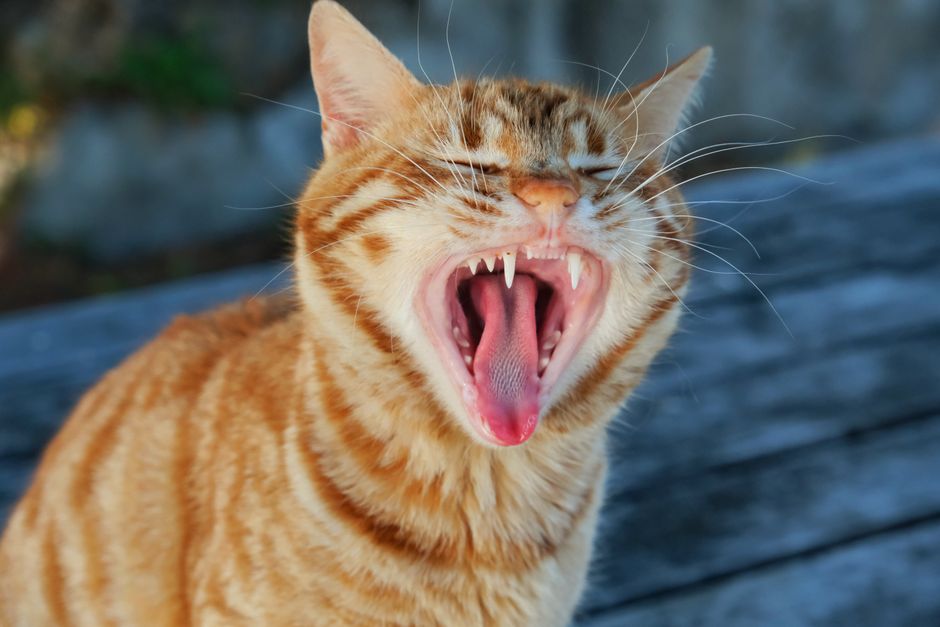
Yawning while singing is common, and it usually comes down to your body’s natural response to breathing patterns and carbon dioxide levels. When you sing, you often take shallower or more irregular breaths than usual, which can trigger a yawn as your brain’s way of getting more oxygen. The fix is often simple: focus on deep, controlled breathing techniques and ensure you are not holding your breath during phrases.
What Actually Causes Yawning When I Sing?
Your body yawns for a few reasons, and singing can trigger all of them. The most well-studied reason is that yawning helps regulate your brain’s temperature and oxygen levels. When you sing, you might be breathing differently than your body expects. You might take quick, shallow breaths between phrases or hold your breath while hitting a high note. This can cause a slight drop in oxygen or a rise in carbon dioxide in your blood. Your brain responds by triggering a yawn to force a deep breath and reset the balance.
Another cause is muscle fatigue. Singing uses muscles in your throat, jaw, and face. If these muscles get tired, your body may yawn as a way to stretch them and signal that they need a break. This is similar to why you yawn when you are physically tired. Some singers also yawn because of anxiety or performance nerves. The body’s fight-or-flight response can change your breathing pattern, and yawning is one way your body tries to calm down.
Does Breathing Technique Really Fix Yawning While Singing?
Research shows that controlled breathing is the most effective fix for yawning during singing. Studies on singers and public speakers have found that diaphragmatic breathing, or belly breathing, keeps oxygen and carbon dioxide levels stable. When you breathe from your diaphragm instead of your chest, you take fuller, slower breaths. This prevents the shallow breathing that often triggers a yawn.
The American Academy of Otolaryngology notes that proper breath support is essential for vocal health. Singers who practice breath control exercises report fewer involuntary yawns during performances. The fix is not complicated. Before you sing, take a few slow, deep breaths from your belly. Hold each breath for a count of four, then exhale slowly. This primes your body and reduces the chance of yawning.
Can Anxiety or Nerves Make Me Yawn More While Singing?
Yes, anxiety is a real trigger for yawning during singing. When you are nervous, your body activates its sympathetic nervous system, which can cause rapid, shallow breathing. This type of breathing can lead to a slight imbalance in oxygen and carbon dioxide, which triggers yawning. Some people also yawn as a social or emotional response to stress. It is a way your body tries to self-soothe.
If you notice you yawn more during auditions, performances, or in front of others, anxiety might be the cause. The fix here is not just breathing — it is also mental preparation. Practicing in front of a mirror or recording yourself can help reduce performance anxiety. Some singers find that a short mindfulness exercise before singing, like focusing on their breath for 30 seconds, cuts down on yawning.





What Role Does Carbon Dioxide Play in Yawning While Singing?
This is where the science gets specific. Your body has sensors that detect carbon dioxide levels in your blood. When carbon dioxide rises, your brain triggers a yawn to bring in fresh air and expel the excess CO2. When you sing, you might hold your breath during long phrases or take quick, shallow breaths that do not fully exchange air. This can cause a slight buildup of carbon dioxide.
Research published in the journal Physiology & Behavior found that yawning is more closely linked to carbon dioxide levels than oxygen levels. The fix is to exhale fully before you inhale. Many singers focus only on taking a big breath in, but they forget to fully empty their lungs first. This leaves stale air in the lungs. Before your next phrase, exhale completely, then take a slow, deep breath in. This clears out CO2 and reduces the urge to yawn.
Why Do I Yawn Every Time I Sing Causes Fixes: A Comparison of Common Triggers
Here is a quick comparison of the main causes and their fixes. This table can help you identify which trigger applies to you.
| Trigger | What Happens in Your Body | Simple Fix |
|———|—————————|————|
| Shallow breathing | Low oxygen or high CO2 from quick breaths | Practice diaphragmatic breathing before singing |
| Holding breath | CO2 buildup during long phrases | Exhale fully before inhaling |
| Muscle fatigue | Jaw and throat muscles tire from singing | Take a short break and stretch your jaw |
| Anxiety or nerves | Fight-or-flight response changes breathing | Do a 30-second mindfulness exercise |
| Vocal strain | Throat tightness triggers yawn reflex | Warm up your voice with gentle scales first |
What Should I Avoid When Trying to Stop Yawning While Singing?
Some common advice for stopping yawns is actually wrong. Do not try to force yourself not to yawn. Suppressing a yawn can make your throat tighter and increase the urge. It also makes you focus on the yawn, which can make it happen more. Another thing to avoid is taking a giant breath right before a difficult phrase. This often leads to holding your breath, which triggers yawning.
Also avoid singing on an empty stomach or after a heavy meal. Both can affect your energy and breathing patterns. Some people report that caffeine makes yawning worse because it can increase anxiety and shallow breathing. If you drink coffee before singing, try cutting it out for a few practices to see if it helps. The most important thing is to not panic when you yawn. It is a normal bodily function, and most audiences do not even notice.
Common Misconceptions About Yawning and Singing
A viral myth says that yawning while singing means you are bored or not engaged. That is false. Yawning has nothing to do with interest or effort. It is a physiological reflex. Another myth claims that yawning during singing means you are not talented. That is also false. Many professional singers yawn during rehearsals. It is a sign that your body is adjusting to the demands of singing, not a sign of poor skill.
Some people believe that yawning means you need more oxygen, so they take a big breath. As discussed earlier, the issue is often too much carbon dioxide, not too little oxygen. Taking a big breath without exhaling first can make the problem worse. The real fix is to focus on the full breathing cycle — exhale, then inhale. Do not just inhale.
Frequently Asked Questions
Why do I yawn every time I sing high notes?
High notes often require more breath support and can cause you to hold your breath or tighten your throat, which triggers the yawn reflex.
Can yawning while singing damage my voice?
No, yawning itself does not damage your voice, but the muscle tension from trying to suppress a yawn can cause strain over time.
Does drinking water help stop yawning while singing?
Staying hydrated helps your vocal cords work better, but water alone will not stop yawning if your breathing technique is off.
Should I see a doctor if I yawn every time I sing?
Only if you also feel dizzy, short of breath, or have chest pain. Occasional yawning while singing is normal and not a medical concern.
