
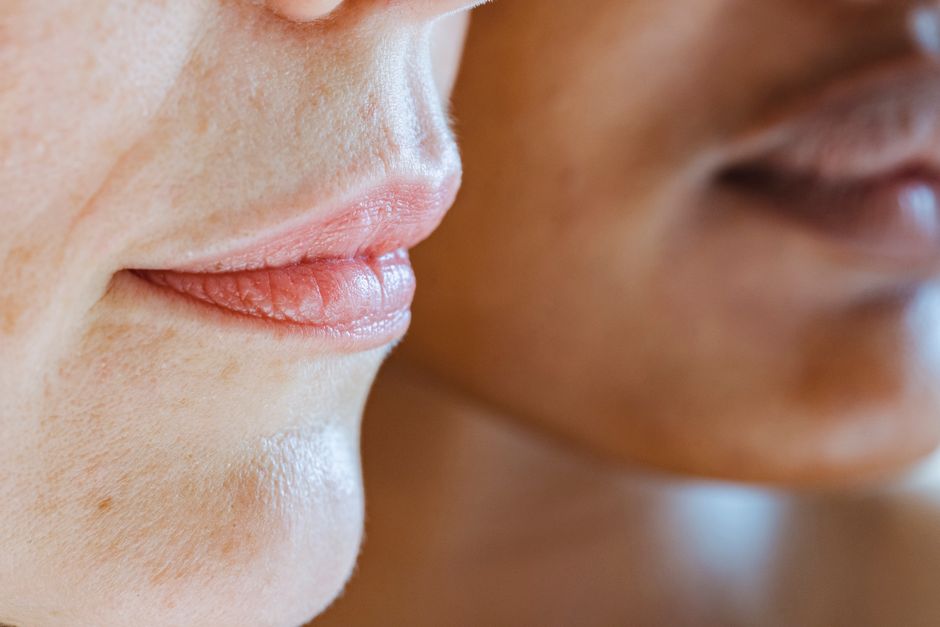
Waking up with dry, crusted blood on your lips is unsettling, but it is rarely a sign of a serious medical problem. The most common cause is a small split in the lip’s surface that bleeds overnight, dries into a crust, and then reopens when you move your mouth in the morning. In most cases, this is the result of simple dryness, mouth breathing, or minor trauma from sleep, and it resolves quickly with consistent lip care.
Why Do I Wake Up With Dry Blood On My Lips?
The skin on your lips is thinner than the skin on the rest of your body. It has no oil glands, so it loses moisture faster and has less natural protection. When the lips become excessively dry, the tissue loses its flexibility. Any movement — even the slight motion of lips while sleeping — can cause the skin to crack.
When that crack is deep enough to reach the small blood vessels just beneath the surface, it bleeds. The blood mixes with dried saliva and skin cells and forms a hard crust. Overnight, this crust hardens further. When you wake and move your lips to speak or drink water, the stiff crust breaks, and the wound may bleed again.
This cycle — cracking, bleeding, crusting, and reopening — is why the problem often looks worse in the morning than it did the night before.
What Causes the Lips to Crack and Bleed Overnight?
Several factors can dry out the lips enough to cause cracking. Often, more than one is at play.
- Mouth breathing during sleep: Breathing through your mouth while sleeping continuously passes air over the lips. This evaporates moisture and dries the tissue faster than normal breathing through the nose.
- Dry indoor air: Heated homes in winter and air-conditioned rooms in summer have low humidity. Dry air pulls moisture from the skin and lips.
- Licking your lips: Saliva contains digestive enzymes. When saliva dries on the lips, it removes natural moisture and leaves the skin more irritated and prone to cracking.
- Dehydration: Not drinking enough fluids reduces overall skin moisture, including the lips.
- Cold or windy weather: Exposure to cold, dry wind accelerates moisture loss from the lips.
- Certain medications: Some drugs, including certain acne treatments, diuretics, and chemotherapy agents, cause dry lips as a side effect.
- Vitamin deficiencies: Low levels of iron, zinc, or B vitamins can contribute to cracked lips, though this is less common than environmental causes.
In most cases, the cause is a combination of dry air and mouth breathing. The lips dry out, crack, and bleed during the night without you noticing.
How to Stop the Bleeding and Treat the Wound
If you wake up with an active bleeding lip, apply gentle pressure with a clean cloth for a few minutes. Most lip bleeds are minor and stop quickly on their own.
Once the bleeding stops, clean the area with plain water. Do not scrub. Pat it dry gently, then apply a thick layer of plain petroleum jelly or a fragrance-free ointment. These products create a barrier that keeps moisture in and prevents the crust from hardening too much.
Avoid picking at the crust. Pulling it off removes the new skin forming underneath and restarts the bleeding. Let the crust fall off naturally, which usually takes a few days.
If the crack is deep, painful, or keeps reopening, some clinicians recommend a light application of an over-the-counter antibiotic ointment to prevent infection. This is common practice, though evidence that it speeds healing is limited. The main benefit is keeping the area moist and clean.



How to Prevent Dry Blood on Your Lips at Night
Prevention focuses on keeping the lips moist and reducing the factors that dry them out overnight.
Apply an occlusive balm before bed. Petroleum jelly, beeswax, or lanolin-based products work best because they sit on the surface and trap moisture. Products labeled as lip balms that contain camphor, phenol, or menthol can actually dry the lips further with repeated use. Check the ingredient list.
Use a humidifier in your bedroom. Adding moisture to the air reduces evaporation from your lips while you sleep. This is especially helpful in winter or in dry climates.
Stay hydrated throughout the day. Drinking water regularly supports overall skin hydration, though it is not a cure for already-cracked lips. Hydration alone will not fix the problem if dry air or mouth breathing is the main cause.
Address mouth breathing. If you consistently wake with a dry mouth and dry lips, you may be breathing through your mouth at night. Nasal congestion is a common reason. Treating the underlying congestion — whether from allergies, a cold, or a structural issue — can reduce mouth breathing. If mouth breathing persists and you are unsure why, a doctor or dentist can help identify the cause.
Protect lips during the day. Sun exposure damages lip skin over time. Using a lip balm with SPF during the day reduces cumulative damage and keeps lips healthier.
When to See a Doctor About Cracked, Bleeding Lips
Most cracked lips heal within a few days to a week with consistent care. See a doctor if the problem does not improve, or if you notice any of the following:
- The crack does not heal after two weeks of consistent moisturizing.
- The area becomes red, swollen, warm, or oozes fluid — signs of possible infection.
- The bleeding is heavy or difficult to stop.
- You have cracked lips along with other symptoms like fever, fatigue, or mouth sores.
- You are taking medication that causes severe dry mouth or lip cracking.
Persistent cracking that does not respond to basic care can sometimes be a sign of an underlying condition. Angular cheilitis, for example, causes cracks at the corners of the mouth and may require antifungal or antibiotic treatment. Allergic reactions to lip products, toothpaste, or dental materials can also cause chronic lip irritation. A healthcare provider can distinguish between these conditions.
Is It Cold Sores or Just Dry Skin?
Cold sores are often confused with cracked lips because both can produce crusting and bleeding. They are different conditions with different causes.
Cold sores are caused by the herpes simplex virus. They typically begin with a tingling or burning sensation, followed by small fluid-filled blisters. When the blisters burst, they form a crust that can bleed. Cold sores usually appear on or around the lip, often in the same spot each time.
Dry, cracked lips from environmental causes do not tingle or blister first. They start as dry patches that split. There is no viral involvement.
If you are not sure which you have, consider the pattern. Cold sores tend to recur in the same location and are often triggered by stress, illness, or sun exposure. Cracked lips are more widespread across the lip surface and correlate with weather, hydration, and breathing habits.
Treatment differs. Cold sores may be treated with antiviral creams, which do nothing for dry lips. Dry lips respond to moisturizing, which does not affect a cold sore. If you suspect cold sores, a doctor or pharmacist can help confirm the diagnosis.
What About Lip Balm Addiction or Dependence?
Some people worry that using lip balm frequently makes their lips drier. This is a common belief, but the evidence does not support it for basic occlusive products like petroleum jelly.
What happens is more straightforward: if you stop using a lip balm in a dry environment, your lips will dry out again because the environmental conditions have not changed. The balm was not causing dependence. It was providing needed protection.
Some lip balms do contain ingredients that can irritate sensitive skin. Flavors, fragrances, and certain preservatives can cause a mild allergic reaction or irritation. If your lips feel worse after using a product, switch to a plain, fragrance-free ointment and see if the irritation settles.
Frequently Asked Questions
Is it dangerous to wake up with dried blood on my lips?
No, it is rarely dangerous. It usually means a small crack in the lip bled overnight and dried into a crust.
Why does my lip bleed every night?
Dry lips crack easily, and the crack reopens when you move your mouth. Mouth breathing and dry indoor air are common contributing factors.
How long does a cracked lip take to heal?
Most cracked lips heal within a few days to a week with regular moisturizing. See a doctor if it has not improved after two weeks.
Can toothpaste make my lips crack?
Some people are sensitive to ingredients in toothpaste, like sodium lauryl sulfate or flavorings. If your lips are chronically irritated, switching to a simple, fluoride toothpaste without added flavor may help.
