
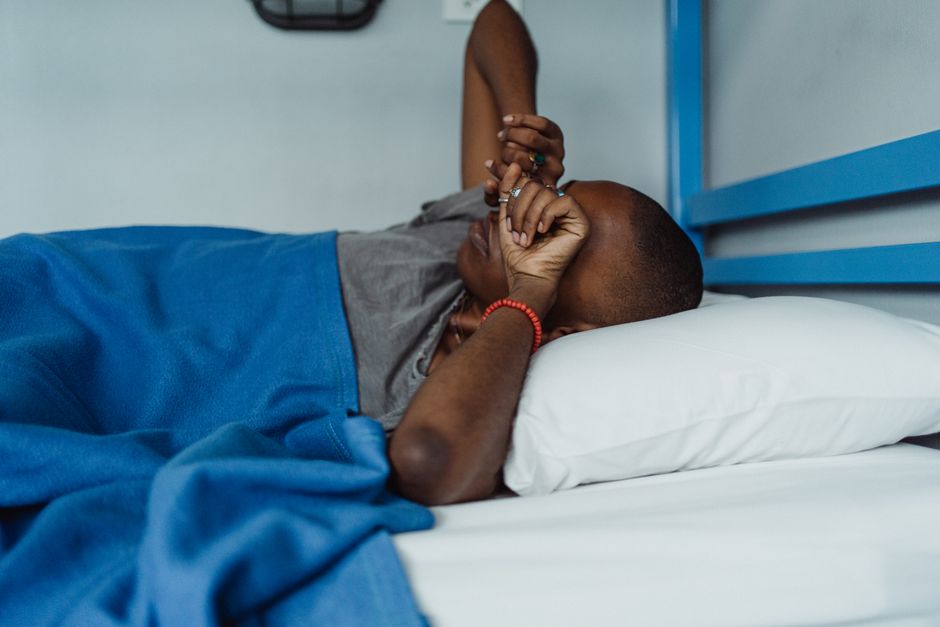
Waking up unable to breathe is usually caused by a temporary pause in breathing, a narrowed airway, or a reflux or panic response during sleep. The most common medical cause is obstructive sleep apnea, where the upper airway collapses and breathing briefly stops. Less often, it comes from heart failure, asthma, acid reflux, or a sleep-related panic attack. The sensation is frightening but the cause is usually identifiable and treatable.
That moment of gasping awake has a name. Doctors call it paroxysmal nocturnal dyspnea when it is linked to the heart, and apnea when it is linked to a blocked airway. Knowing which pattern fits your experience is the first real step toward an answer.
Why Do I Wake Up Not Being Able To Breathe?
Your body has a built-in alarm for breathing. When oxygen drops or carbon dioxide rises during sleep, the brainstem triggers a surge of adrenaline that forces you awake. That is the gasp, the racing heart, and the sudden panic.
What triggers the alarm is where causes divide. In obstructive sleep apnea, the soft tissues at the back of the throat relax and block airflow. The effort to breathe continues but air cannot get through. In central sleep apnea, the brain simply fails to send the signal to breathe. Both wake you, but for different reasons.
Other causes work through different pathways. Fluid backing up into the lungs from a failing heart causes breathlessness that builds over minutes after lying flat. Acid reflux can irritate the airway and trigger a choking sensation. A panic attack during sleep can produce sudden breathlessness with no airway blockage at all.
One clarification worth knowing: waking with a jolt just as you drift off is often a harmless phenomenon called a hypnic jerk. It feels like a falling sensation or a gasp but is not a breathing disorder. True sleep apnea episodes typically happen after you have been asleep for a while, not at the moment of falling asleep.
What Does Sleep Apnea Have to Do With Waking Up Gasping?
Obstructive sleep apnea is the single most common cause of waking up unable to breathe. Research consistently shows it affects a large share of adults, and many cases go undiagnosed for years.
Here is what happens in a typical episode. The muscles that hold the throat open relax during sleep. The tongue and soft palate fall backward and narrow or close the airway. Breathing effort continues, but airflow stops. Oxygen levels fall. After a period the brain detects the problem and briefly rouses you, often with a gasp or snort. You may not fully wake or remember it.
This cycle can repeat many times per hour in moderate to severe cases. The result is fragmented sleep, daytime fatigue, and strain on the heart and blood vessels over time. It is not simply a snoring problem.
Signs that point toward sleep apnea rather than another cause include:
- Loud snoring most nights
- Waking with a dry mouth or sore throat
- Morning headaches
- Falling asleep easily during the day
- A bed partner who notices you stop breathing
- Carrying extra weight around the neck and midsection
Not everyone with sleep apnea snores, and not everyone who snores has apnea. The only way to confirm the diagnosis is a sleep study, either in a lab or at home.
When Is Waking Up Breathless a Heart Problem?
Breathlessness that wakes you after an hour or two of sleep, especially if you need to sit or stand to breathe, can be a sign of heart failure. This pattern is called paroxysmal nocturnal dyspnea, and doctors treat it as a warning sign rather than a minor nuisance.
The mechanism is fluid. When you lie flat, fluid that has pooled in your legs and tissues shifts back into your circulation and can back up into the lungs. Sitting upright lets gravity pull some of that fluid down and often eases the breathlessness within minutes.
Heart-related night breathlessness tends to come with other clues. Swelling in the ankles and legs. Needing extra pillows to sleep comfortably. Sudden weight gain over days. A cough that worsens when lying down.
This is not a symptom to watch at home. New or worsening breathlessness at night, especially with chest pain, palpitations, or swelling, needs urgent medical assessment. Heart failure is treatable, and early care matters.





Can Acid Reflux or Asthma Wake You Up Breathless?
Yes. Both can cause nighttime breathlessness, and both are often mistaken for something else.
Acid reflux is common at night because lying flat makes it easier for stomach contents to move up the esophagus. When acid reaches the throat and airway, it can cause coughing, choking, and a burning sensation that wakes you. Some people with reflux-related nighttime symptoms do not feel classic heartburn at all. Research suggests a link between reflux and disrupted sleep, though the relationship with true sleep apnea is still being studied.
Asthma often worsens at night. Airway inflammation and narrowing can peak in the early morning hours, producing wheezing, chest tightness, and breathlessness that wake you. If you are waking regularly with asthma symptoms, that signals your asthma is not well controlled and your treatment plan may need review.
Other causes worth knowing include:
- Panic attacks during sleep, which cause sudden breathlessness with a racing heart and a sense of doom
- Obesity hypoventilation, where breathing is too shallow during sleep
- Certain medications, including some that affect breathing or fluid balance
- Thyroid problems and other hormonal conditions
How Do Doctors Figure Out the Cause?
The evaluation starts with your description of the episodes. When they happen, how often, what you feel, and what makes them better all narrow the list quickly.
A sleep study is the key test for suspected sleep apnea. It records your breathing, oxygen levels, heart rate, and brain activity during sleep. Home sleep tests are used for some patients, though they are less detailed than lab studies.
If the pattern points to the heart, your doctor may order an echocardiogram, blood tests, or a chest X-ray. For reflux, a trial of treatment or an endoscopy may be considered. For asthma, lung function testing helps confirm the diagnosis.
Bring notes to your appointment. Record how many nights per week it happens, what time of night, and whether sitting up helps. That information is often more useful than any single test.
What Should You Do If It Keeps Happening?
Occasional episodes, especially during stressful periods or with a cold, are common and usually not dangerous. Frequent episodes, or ones with chest pain, fainting, or swelling, need prompt medical attention.
Call emergency services if breathlessness at night comes with chest pain, blue lips, fainting, or difficulty breathing that does not ease when you sit up. Those signs can indicate a serious heart or lung problem.
For recurring episodes without emergency signs, see a doctor soon rather than waiting. Untreated sleep apnea carries real risks over time, including cardiovascular strain and daytime accidents from sleepiness. Heart failure and uncontrolled asthma also worsen without treatment.
There is no single fix that works for every cause. Treatment depends entirely on what is driving the episodes, which is why getting the diagnosis right matters more than trying remedies at home. The good news is that most causes of nighttime breathlessness are well understood and manageable once identified.
Frequently Asked Questions
Is waking up gasping for air always sleep apnea?
No. Sleep apnea is the most common cause, but heart failure, acid reflux, asthma, and sleep panic attacks can produce the same sensation. Only a medical evaluation, often including a sleep study, can confirm which one is responsible.
When should I worry about waking up short of breath?
Seek urgent care if breathlessness comes with chest pain, fainting, blue lips, or swelling in the legs, or if sitting up does not help. Recurring episodes without those signs still deserve a prompt doctor visit.
Can anxiety wake you up unable to breathe?
Yes. Panic attacks can occur during sleep and cause sudden breathlessness, a racing heart, and intense fear. A doctor should rule out sleep apnea and heart causes before anxiety is assumed to be the reason.
Does waking up breathless mean my heart is failing?
Not necessarily, but it can be a sign of heart failure when it happens after an hour or two of sleep and eases when you sit up. Swelling in the legs and needing extra pillows are added clues that warrant urgent assessment.
