
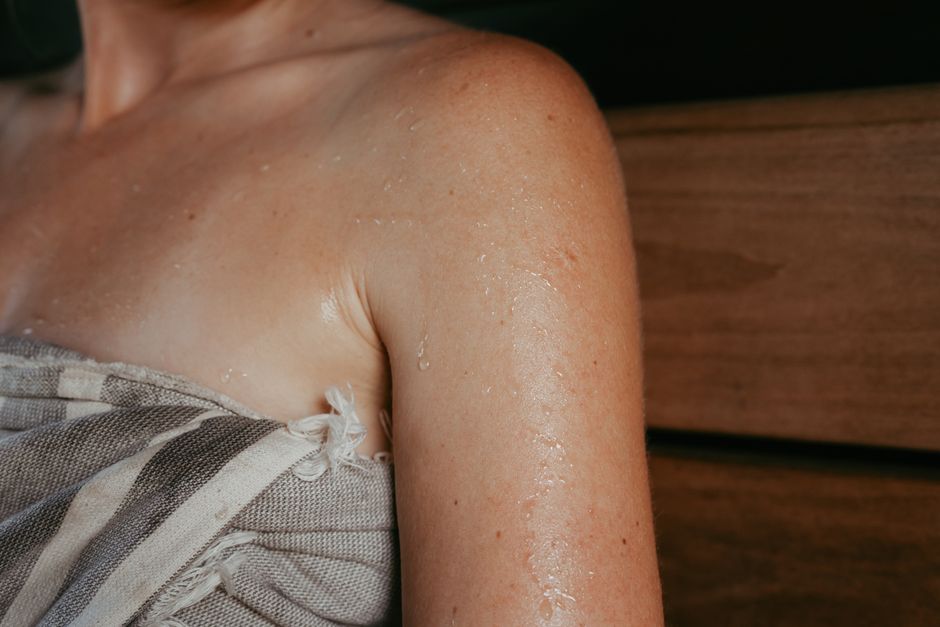
You step outside on a cold morning and within minutes your back feels damp. Sweating in the cold seems backwards. But it makes sense once you understand what sweat actually is and what your body is trying to do. Sweat is not a sign of heat. It is a sign of nervous system activity, and cold triggers that activity in several ways. Your body sweats in the cold to regulate temperature after exertion, to respond to stress hormones, and sometimes because of ordinary physical reflexes that have nothing to do with feeling warm.
Why Do I Sweat When Im Cold The Biological Reasons?
Your sweat glands respond to signals from your nervous system, not directly to temperature. The main signal is acetylcholine, a chemical released by nerve endings that tells sweat glands to produce sweat. Cold air, cold stress, and the body’s response to both can activate those nerves.
There are two types of sweat glands. Eccrine glands cover most of your body and produce the watery sweat that cools you down. Apocrine glands sit mainly in the armpits and groin and produce a thicker fluid. Eccrine glands are the ones involved in most cold sweating, and they are controlled by the sympathetic nervous system — the branch that manages automatic functions like heart rate and sweating.
Cold itself does not usually make you sweat. What happens is that cold triggers a chain of events — shivering, blood vessel changes, hormone release — and some of those events overlap with the pathways that produce sweat. The result is moisture on your skin even when the air is cold.
Does Your Body Sweat to Regulate Temperature in the Cold?
Yes, but not in the way you might expect. When you are cold, your body’s priority is to keep your core warm. It narrows blood vessels near the skin to reduce heat loss. That is why your hands and feet get cold first.
But if you have been active — walking fast, carrying something, climbing stairs — your body may still be releasing heat from exercise. Your core temperature can stay elevated even after you step into cold air. Your sweat glands keep working to release that heat, and the cold air makes the sweat feel more noticeable because it does not evaporate as quickly as it would in warm, dry air.
This is one of the more useful clarifications about cold sweating: the sweat is often a leftover from heat production, not a response to the cold itself. Your body is still cooling down from the inside while the outside is cold.
Can Cold Air Itself Trigger Sweating?
Cold air can trigger sweating through a reflex response. When cold air hits your skin, your body reacts with a sudden change in blood flow and nerve activity. Some people sweat in response to this shift, especially on the face, neck, and back.
This reflex is not fully understood, and the evidence is limited. Some research suggests that cold exposure activates the sympathetic nervous system in a way that can cause sweating in certain people. But the exact mechanism and how common it is are not well established.
What is clearer is that sudden temperature changes — going from a warm room into cold air, or the reverse — can cause sweating. Your body is adjusting to the shift, and sweat is one of the ways it responds.
Why Does Stress or Anxiety Cause Sweating in Cold Weather?
Stress hormones trigger sweat. When you feel anxious, your body releases adrenaline and cortisol. These hormones prepare you for action and activate the sympathetic nervous system. One result is sweating, especially on the palms, soles, and underarms.
Cold weather can add to this. If you are uncomfortable in the cold, or if you are worried about being cold, your body may release stress hormones. That can lead to sweating even when the temperature does not call for it.
This type of sweating is real and common. It is not a sign that something is wrong. It is your nervous system doing its job, just in a situation where the result feels inconvenient.
What About Sweating During Exercise in Cold Weather?
Exercise produces heat, and your body sweats to release it. That does not change just because the air is cold. If you run, hike, or work outside in cold weather, you will still sweat.
What changes is how the sweat behaves. Cold air holds less moisture, so sweat may evaporate more slowly or feel colder on your skin. You may notice the sweat more because it stays on your skin longer and chills you.
Layering matters here. Wearing too many layers can trap heat and make you sweat more. Wearing the right layers lets heat escape while keeping you warm. This is why outdoor athletes often wear moisture-wicking base layers and adjust as they go.
When Should Cold Sweating Be a Concern?
Most cold sweating is normal. But there are situations where it can signal something worth checking. Sweating that comes with chest pain, shortness of breath, dizziness, or nausea should be taken seriously. These can be signs of a heart problem and warrant immediate medical attention.
Cold sweats — sweating accompanied by feeling cold, clammy, and unwell — can also occur with infection, low blood sugar, or other medical conditions. If you have repeated cold sweats without a clear cause, talk to a doctor.
Night sweats are another category. If you wake up drenched in sweat in a cold room, that is different from sweating during cold exposure. Night sweats have a range of possible causes, and persistent night sweats should be evaluated by a clinician.
The evidence here is not precise enough to say that cold sweating alone is a sign of any specific condition. But it is reasonable to pay attention to patterns and to seek medical advice if something feels off.
How Can You Reduce Sweating in Cold Weather?
You can manage most cold-weather sweating with simple adjustments. The goal is to help your body regulate temperature without trapping heat or causing sudden chills.
- Wear layers you can remove as you warm up. Start with a moisture-wicking base layer.
- Avoid overdressing for activity. If you will be moving, dress for the temperature you will feel while active, not while standing still.
- Choose breathable fabrics. Cotton holds moisture against your skin; synthetic or wool blends move it away.
- Manage stress where you can. Relaxation techniques may help reduce stress-related sweating, though the evidence for specific methods is mixed.
- Stay hydrated. Dehydration does not stop sweating, but it can affect how your body regulates temperature.
If sweating is excessive and interferes with daily life, talk to a doctor. There are medical treatments for heavy sweating, but they are not right for everyone and should be discussed with a clinician.
Is Sweating in the Cold Always Normal?
In most cases, yes. Sweating in cold weather is a normal response to exercise, stress, temperature change, or leftover heat from activity. It is not a sign that your body is malfunctioning.
What is not normal is sweating that comes with other symptoms — chest pain, confusion, fainting, or a feeling of impending doom. Those are reasons to seek care right away.
For most people, cold sweating is a minor inconvenience. Understanding why it happens can make it less confusing and easier to manage.
Frequently Asked Questions
Why do I sweat when I’m cold?
Cold sweating usually happens because your nervous system is still responding to heat from exercise, stress, or a sudden temperature change. Your sweat glands are controlled by nerve signals, not by temperature alone.
Is sweating in cold weather a sign of a health problem?
Usually not. But sweating with chest pain, shortness of breath, dizziness, or nausea can be a sign of a heart problem and needs immediate medical attention.
Why do I sweat when I exercise in the cold?
Exercise produces heat, and your body sweats to release it regardless of the air temperature. Cold air can make the sweat feel more noticeable because it evaporates more slowly.
Can anxiety cause sweating in cold weather?
Yes. Stress hormones activate the sympathetic nervous system, which triggers sweating. Cold weather can add to that stress response in some people.
