
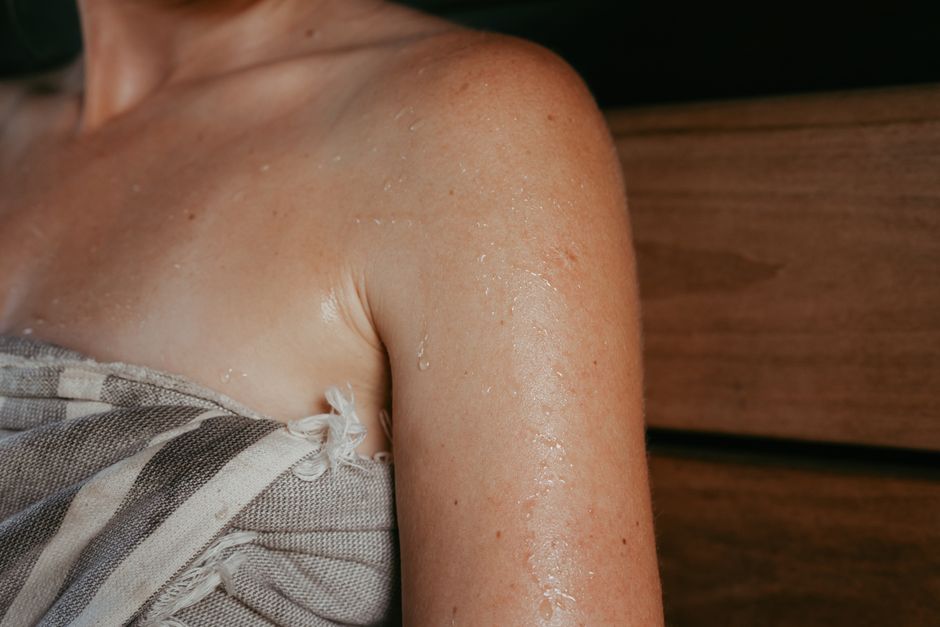
Sweating when you are not hot or exercising is more common than most people realize. Your body has a complex system for cooling itself, and sometimes that system activates for reasons other than heat. You might be dealing with a condition called primary hyperhidrosis, or your sweat glands could be responding to stress, hormones, or even what you ate for breakfast. The short answer is that excessive sweating without heat usually comes down to overactive nerves telling your sweat glands to work when they do not need to.
What Is Primary Hyperhidrosis and Could You Have It?
Primary hyperhidrosis is a medical condition where your body sweats excessively without a clear medical cause. It usually starts in childhood or adolescence. The sweating happens in specific areas like your palms, feet, armpits, or face. It is not caused by being hot or exercising.
Research published in the Journal of the American Academy of Dermatology estimates that about 4.8 percent of Americans have this condition. That is roughly 15 million people. Many of them do not know it has a name. They just think they are sweaty people.
What makes primary hyperhidrosis different from normal sweating is the pattern. You might notice your hands get clammy when you are sitting still. Your armpits might soak through shirts even in an air-conditioned room. The sweating is symmetrical — it happens on both sides of your body equally. If this sounds familiar, you are not alone, and there are treatments that work.
Why Do I Sweat So Much Even When Im Not Hot — What Is Happening in Your Body?
The answer lives in your nervous system. Your sympathetic nervous system controls sweating. It is the same system that triggers your fight-or-flight response. For people with hyperhidrosis, the nerves that tell sweat glands to activate are hypersensitive. They fire too easily and too often.
Think of it like a smoke alarm that goes off when you toast bread. The alarm works fine. It is just set too sensitively. Your sweat glands work fine too. They just get the signal to turn on when they should not.
Sweat glands themselves come in two types. Eccrine glands cover most of your body and produce a watery sweat that cools you. Apocrine glands are in your armpits and groin and produce a thicker sweat that bacteria break down. Primary hyperhidrosis mostly affects eccrine glands. That is why the sweat is watery and does not usually smell.
What Medical Conditions Can Cause Excessive Sweating?
Sometimes heavy sweating is a symptom of something else going on in your body. Doctors call this secondary hyperhidrosis. The sweating is caused by another condition. It usually affects your whole body rather than just one area.
Some common causes include:
- Overactive thyroid — your thyroid gland produces too much hormone and speeds up your metabolism
- Diabetes — especially when blood sugar drops too low
- Menopause — hormone changes can trigger hot flashes and night sweats
- Infections — your body sweats to fight off a fever
- Certain cancers — lymphoma is one example though this is rare
If you sweat all over your body and it started recently, see your doctor. They can run blood tests to check your thyroid, blood sugar, and other markers. The CDC reports that thyroid disease affects about 20 million Americans, and excessive sweating is one of the classic signs.





How Do Medications and Lifestyle Trigger Sweating?
Your medicine cabinet might be making you sweat. Many common drugs list sweating as a side effect. Antidepressants, especially SSRIs like sertraline and fluoxetine, can cause increased sweating. Some blood pressure medications, thyroid hormone replacements, and pain relievers can too.
What you eat and drink matters as well. Spicy foods contain capsaicin, which tricks your brain into thinking your body is overheating. Caffeine and alcohol both stimulate your nervous system and can trigger sweat glands. If you notice you sweat more after coffee or a spicy meal, that is your body responding normally to those triggers.
Stress and anxiety are major drivers of sweating. Your body does not know the difference between a real threat and a stressful meeting. When you feel anxious, your sympathetic nervous system kicks in. That includes turning on your sweat glands. Some people report that this creates a loop — they sweat because they are anxious, then feel more anxious about sweating.
What Treatments Actually Work for Excessive Sweating?
Treatment options range from simple things you can try at home to medical procedures. What works depends on how severe your sweating is and where it happens.
Clinical-strength antiperspirants are the first step. Regular antiperspirants block sweat with aluminum salts. Prescription versions contain higher concentrations. A study in the British Journal of Dermatology found that 20 percent aluminum chloride hexahydrate reduced sweating by over 80 percent in people with armpit hyperhidrosis.
Iontophoresis is a treatment where you place your hands or feet in a shallow tray of water while a mild electrical current passes through. It sounds strange, but research shows it works for about 80 percent of people with palmar hyperhidrosis. You do it a few times a week at home.
Botox injections are FDA-approved for armpit sweating. The botulinum toxin blocks the nerve signals that tell sweat glands to activate. Results last about six to eight months. One study in the Journal of the American Academy of Dermatology found that patients reported a 75 percent reduction in sweating after Botox treatment.
Oral medications like glycopyrrolate can reduce whole-body sweating. They work by blocking the nerve signals to sweat glands. But they can cause dry mouth, blurry vision, and trouble urinating. Doctors usually prescribe them only when other treatments fail.
For severe cases, a procedure called endoscopic thoracic sympathectomy is an option. Surgeons cut or clamp the nerves that trigger sweating. It is effective but carries risks including compensatory sweating — your body sweats more in other areas to compensate.
How Do Different Treatments Compare?
Here is a simple comparison of the most common treatment options for excessive sweating.
| Treatment | How It Works | Effectiveness | Duration |
|---|---|---|---|
| Prescription antiperspirant | Blocks sweat ducts with aluminum | 80% reduction | 24 hours per application |
| Iontophoresis | Mild electrical current | 80% success rate | Ongoing weekly sessions |
| Botox injections | Blocks nerve signals | 75% reduction | 6-8 months |
| Oral medication | Reduces nerve activity | Moderate | Daily |
| Surgery | Cuts sympathetic nerves | 90% success | Permanent |
Common Misconceptions About Sweating
Many people believe sweating more means you are in better shape. That is not entirely true. Fit people do start sweating earlier during exercise because their bodies are more efficient at cooling. But excessive sweating at rest is not a sign of fitness. It is a sign of overactive nerves.
Another myth is that sweating detoxifies your body. Your liver and kidneys handle detoxification. Sweat is mostly water and salt with trace amounts of waste. You cannot sweat out toxins in any meaningful amount. This is widely claimed in wellness circles, but strong evidence is limited.
Some people think antiperspirants cause cancer. This rumor started from a poorly designed email chain in the 1990s. The American Cancer Society states there is no strong evidence linking antiperspirants to breast cancer. Multiple large studies have found no connection. Use antiperspirants safely as directed.
One more misconception is that only overweight people sweat excessively. Body weight can contribute to overheating, but primary hyperhidrosis affects people of all sizes equally. It is a neurological condition, not a weight issue.
Frequently Asked Questions
Can anxiety cause excessive sweating even when I am not hot?
Yes. Anxiety activates your sympathetic nervous system which directly triggers sweat glands. This is a normal physical response to stress.
Is excessive sweating a sign of diabetes?
It can be. Low blood sugar from diabetes often causes sweating. If you have other symptoms like thirst or frequent urination, get your blood sugar tested.
Why do my hands sweat when I am not nervous or hot?
This is a classic sign of primary hyperhidrosis. Your sweat glands in your palms are overactive due to hypersensitive nerves. It is not related to your emotions or temperature.
Does diet affect how much I sweat?
Yes. Spicy foods, caffeine, and alcohol can all trigger sweating. Eating these in moderation may help reduce episodes for some people.
