
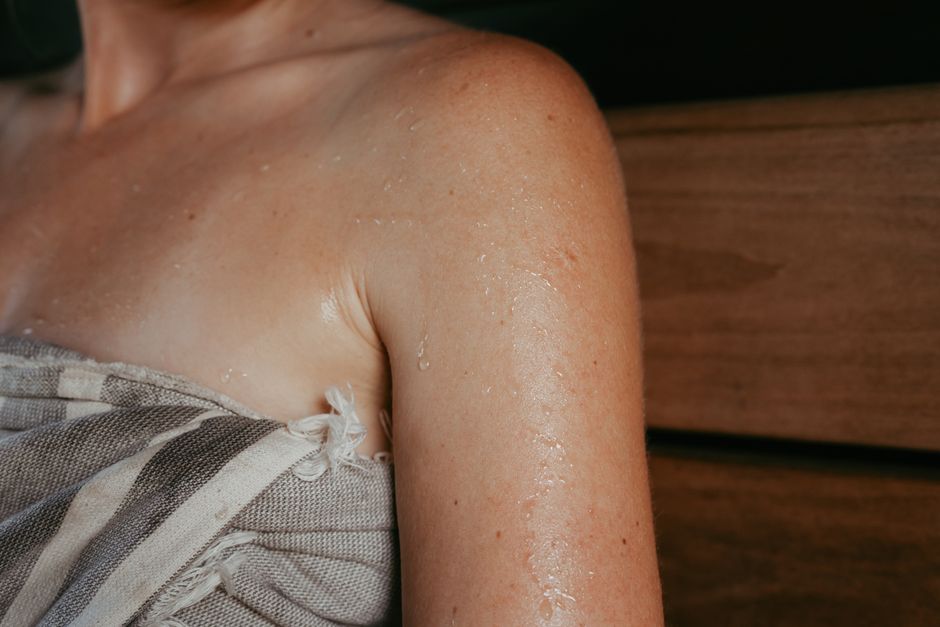
Waking up damp with sweat is your body’s way of shedding heat during sleep — and that process is normal. But when morning sweats are heavy enough to soak your sheets or pajamas, or they come with fever, weight loss, or chest pain, they can point to something that needs medical attention. Most causes fall into a handful of categories: your sleep environment, hormones, infections, blood sugar, medications, and less often, more serious conditions.
Why Do I Sweat In The Morning Common Causes?
Your body does not stop regulating temperature when you sleep. Core temperature naturally dips in the early morning hours as part of your circadian rhythm. If something pushes your temperature up — a warm room, a heavy blanket, a hormone shift, or an illness — your sweat glands respond by releasing moisture to cool you down.
Doctors use the term night sweats for episodes that soak your clothes or bedding, not just feeling a little warm. That distinction matters. Being slightly clammy because your room is 78°F is not the same as waking up with sheets you have to change. The first is comfort. The second is a symptom worth investigating.
Common causes include:
- A bedroom that is too warm or bedding that traps heat
- Hormone changes, especially around menopause
- Infections, including minor viral illnesses and more serious ones
- Low blood sugar overnight, particularly in people with diabetes
- Medications, including some antidepressants and pain relievers
- Alcohol consumed in the evening
- Anxiety or vivid dreams
- Thyroid problems
- Less commonly, cancers such as lymphoma
That list is broad on purpose. Morning sweating is a symptom, not a diagnosis, and many different conditions produce the same result. The pattern, timing, and accompanying symptoms are what help narrow it down.
Is Waking Up Sweaty Always a Sign of Something Serious?
No. Most people who sweat in their sleep do not have a serious illness. The most common explanation is simply a sleep environment that holds too much heat, or a normal hormonal shift.
What separates ordinary sweating from something that deserves a doctor’s visit is the pattern. Occasional dampness on a hot night is not concerning. Sweating that soaks through your clothes most nights, for weeks, with no obvious cause, is different.
Certain features raise the level of concern:
- Sweats that soak your pajamas or sheets, not just make you feel warm
- Fever, unexplained weight loss, or a persistent cough
- Swollen lymph nodes in your neck, armpits, or groin
- Chest pain, shortness of breath, or a racing heart
- Sweats that started after beginning a new medication
If any of these are present, see a doctor. Not because the cause is likely to be serious, but because the combination of symptoms is what guides the workup.
How Do Hormones Cause Morning Sweats?
Hormones are among the most common non-environmental causes. The clearest example is perimenopause and menopause, when declining estrogen levels affect the body’s thermostat — a region in the brain called the hypothalamus. That disruption can trigger sudden heat and sweating, often at night.
This is not limited to women. Men with low testosterone, or men receiving hormone therapy for prostate cancer, can also experience night sweats. Thyroid hormone plays a role too. An overactive thyroid speeds up metabolism and heat production, which can show up as sweating, sometimes with a fast heart rate, weight loss, or feeling unusually warm.
Pregnancy is another hormonal state that raises body temperature and sweating. So is the postpartum period, when hormone levels shift rapidly.
Hormonal sweats tend to follow a pattern — clustered around a specific life stage or treatment — and often come with other signs like hot flashes, mood changes, or changes in menstrual cycles. A doctor can check hormone levels if the picture is unclear.





Can Blood Sugar and Diabetes Cause Morning Sweats?
Yes. Overnight low blood sugar, called nocturnal hypoglycemia, is a well-recognized cause of night sweats in people with diabetes, especially those who take insulin or certain oral medications.
When blood sugar drops during sleep, the body releases adrenaline and other stress hormones to raise it. Sweating is one of the results. It often comes with a racing heart, shakiness on waking, or a headache. Some people wake up because of it. Others sleep through and only notice the damp sheets in the morning.
This matters because untreated low blood sugar can become dangerous. If you have diabetes and wake up sweaty, shaky, or with a headache, that pattern is worth reporting to your doctor. Adjusting medication timing or evening meals may help, but that decision belongs with your care team, not with guesswork.
People without diabetes can also experience low blood sugar overnight, but it is less common and usually tied to another cause, such as heavy alcohol use or prolonged fasting.
Which Medications and Substances Cause Night Sweats?
Several common medications list sweating as a side effect. Antidepressants, particularly selective serotonin reuptake inhibitors (SSRIs), are among the most frequently reported. So are some pain medications, hormone therapies, and drugs used to treat diabetes.
Alcohol is a frequent culprit that people overlook. Drinking in the evening can trigger sweating a few hours later as the body metabolizes it. The same is true for spicy food, caffeine late in the day, and recreational drugs such as stimulants.
If sweats began shortly after starting a new medication, that timing is a strong clue. Do not stop a prescribed medication on your own. Talk to the prescriber, who can confirm whether the drug is the likely cause and discuss alternatives.
When Could Morning Sweats Point to Infection or Cancer?
Infections are a classic cause of night sweats. Tuberculosis is the historical example, and it still causes night sweats in parts of the world where it is common. Other infections — including some bacterial infections, HIV, and certain fungal infections — can produce them too.
Cancer is a real but much less common cause. Lymphoma is the type most associated with night sweats, often along with unexplained weight loss and fever. That trio is sometimes called B symptoms. Having night sweats alone, without those other features, is far more likely to have a benign explanation.
The reason doctors ask about weight loss, fever, and swollen lymph nodes is that these details change how likely a serious cause is. Night sweats plus unexplained weight loss is a different picture than night sweats alone on a warm night.
There are also less common causes, including obstructive sleep apnea, autoimmune conditions, and anxiety disorders. The list is long, which is exactly why a doctor’s evaluation focuses on the whole picture rather than the sweating by itself.
What Helps Reduce Morning Sweats?
If your sweats are tied to your environment or habits, simple changes often help. If they are tied to a medical condition, those changes may ease symptoms but will not treat the underlying cause.
Practical steps that address common triggers:
- Lower the bedroom temperature and use lighter bedding
- Choose breathable fabrics like cotton or moisture-wicking sheets
- Avoid alcohol, caffeine, and spicy food in the evening
- Keep a fan or open a window for airflow
- Track when sweats happen and what you ate or drank beforehand
If you take diabetes medication, talk to your doctor about whether overnight low blood sugar could be involved. If you take an antidepressant or another medication linked to sweating, ask whether the timing fits.
What you should not do is assume the sweats are harmless because they are common. Common and harmless are not the same thing. A pattern that is new, worsening, or paired with other symptoms deserves a medical visit.
Frequently Asked Questions
Why do I sweat in my morning sleep every night?
Nightly sweating usually points to a consistent trigger, such as a warm bedroom, heavy bedding, alcohol in the evening, or a medication side effect. If it happens most nights for weeks with no clear cause, see a doctor to rule out hormonal, infectious, or other medical causes.
Can low blood sugar cause morning sweats?
Yes, overnight low blood sugar is a recognized cause of night sweats, especially in people with diabetes who take insulin or certain medications. If you have diabetes and wake up sweaty, shaky, or with a headache, report that pattern to your doctor.
Are morning sweats a sign of cancer?
Cancer, particularly lymphoma, can cause night sweats, but it is a much less common cause than hormones, infection, medications, or a warm sleep environment. Sweats along with unexplained weight loss, fever, or swollen lymph nodes are more concerning and should be evaluated.
When should I see a doctor about morning sweats?
See a doctor if sweats soak your clothes or sheets most nights, last for weeks, or come with fever, weight loss, swollen lymph nodes, chest pain, or shortness of breath. A new medication that lines up with the start of sweats is also worth mentioning.
