
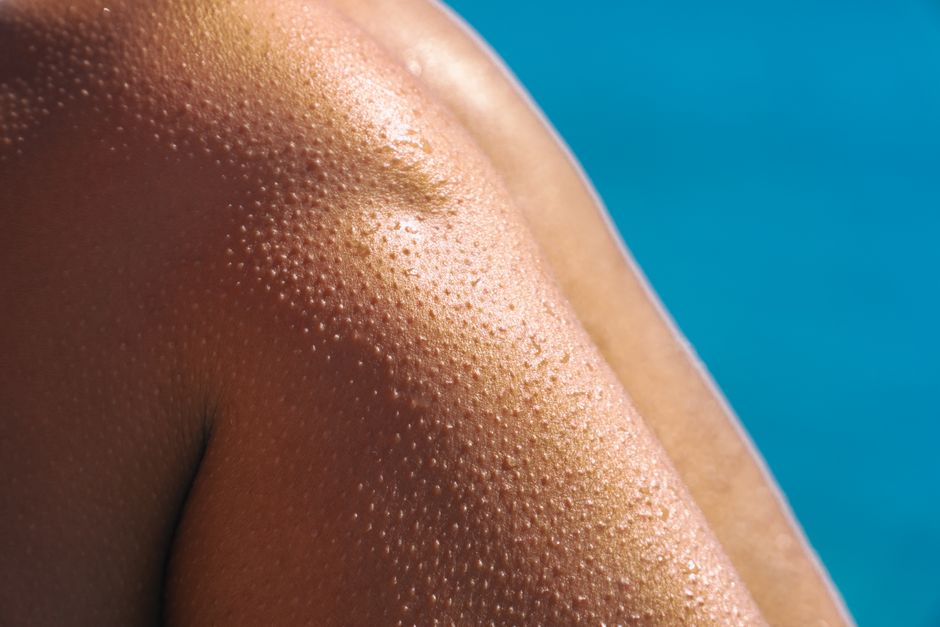
Waking up with damp skin between your legs is common, and it is usually your body’s normal cooling system doing its job while you sleep. The groin and inner thighs have more sweat glands and less airflow than most other areas, so moisture builds up there first. In most cases, this is not a sign of disease. But when the sweating is heavy, repeated, or paired with other symptoms, it can point to something worth checking.
Why Do I Sweat Between My Legs At Night?
Your body does not stop regulating temperature when you fall asleep. Core temperature naturally dips in the early morning hours as part of the sleep-wake cycle, and sweating is one of the tools the body uses to manage heat. The groin area sits at the junction of the torso and legs, where skin folds trap heat and moisture. Add underwear, pajama bottoms, and a blanket, and you have created a warm, enclosed space with limited air movement.
The skin there also has a high density of apocrine and eccrine sweat glands. Eccrine glands produce the watery sweat tied to temperature control. Apocrine glands, concentrated in the groin and underarms, become active at puberty and respond to stress hormones as well as heat. That combination explains why this area often feels wetter than your arms or back.
Night sweats as a medical term means something more specific than feeling warm. Clinicians generally use it to describe drenching sweat that soaks through clothing or bedding, often unrelated to a hot room. Ordinary groin sweating at night usually does not meet that bar. The distinction matters, because the causes behind each are different.
What Everyday Factors Cause Groin Sweat At Night?
Most cases trace back to the sleep environment or to habits from earlier in the day. These are not medical problems, and adjusting them often settles the issue.
- Room temperature above what your body needs for sleep
- Heavy blankets or synthetic sheets that trap heat
- Tight underwear or pajamas made from non-breathing fabric
- Sleeping in the same position for hours, which traps heat in skin folds
- A warm shower or intense exercise close to bedtime
- Spicy food, alcohol, or caffeine in the evening
Body weight plays a role too. Extra tissue in the thighs and groin increases skin-on-skin contact and reduces airflow, which holds heat and moisture against the skin. This is a mechanical effect, not a judgment about health. It simply means the area stays warmer and evaporates sweat more slowly.
Hormonal shifts are another everyday factor, particularly for women. Falling estrogen levels around perimenopause and menopause are a well-documented cause of hot flashes and night sweats. The sweating is not limited to the groin, but it is often noticed there first because of the skin folds.
When Is Night Sweating A Sign Of Something Medical?
Night sweats that soak your sheets, happen most nights, or come with other symptoms deserve a medical evaluation. On their own, groin sweating rarely signals illness. In combination with other signs, it can.
Conditions clinicians consider include infections such as tuberculosis, certain cancers like lymphoma, an overactive thyroid, and low blood sugar in people who take insulin or diabetes medications. Each of these produces sweating as part of a broader pattern, not as an isolated symptom.
Medications are a frequent and often overlooked cause. Antidepressants, hormone therapy, some pain medications, and drugs that lower fever can all trigger sweating. If night sweats began after starting or changing a medication, that timing is worth mentioning to your doctor.
Anxiety and chronic stress can also drive sweating through the apocrine glands, which respond to stress hormones. This type tends to cluster during lighter sleep stages and around stressful periods.
One clarification worth making: night sweats are not the same as fever. A fever raises your core temperature and can cause sweating as it breaks, but the two are separate events. If you are measuring a fever alongside the sweating, that combination is a clearer reason to seek care.




How Can You Tell If It Is Harmless Or Worth Checking?
Pattern matters more than a single episode. Occasional dampness in warm conditions is normal. Sweating that disrupts sleep, soaks bedding, or appears alongside other changes is not.
Signs that point toward a medical cause include:
- Sweating that soaks through pajamas or sheets most nights
- Unintended weight loss
- Fever or chills
- Swollen lymph nodes
- Persistent fatigue that does not improve with rest
- Sweating that started after a new medication
If any of these apply, a doctor can sort through the possibilities. Evaluation usually starts with a history and physical exam, and may include blood tests to check thyroid function, blood counts, and blood sugar. Most of the time, no serious cause is found, but the check is what rules it out.
What Helps Reduce Sweating Between The Legs At Night?
Practical changes address the environment first, since that is the most common driver. Cooling the room, choosing breathable cotton or moisture-wicking sleepwear, and loosening bedding are reasonable starting points.
Loose-fitting underwear and avoiding heavy fabrics in the groin area help air reach the skin. Some people find that sleeping with a lighter layer or switching to a fan improves things within a few nights. Avoiding alcohol, spicy meals, and intense exercise in the hours before bed can reduce triggering.
For women in perimenopause or menopause, the sweating often tracks with hormonal changes. Some clinicians recommend discussing hormone therapy or other options with a doctor, since the evidence for these treatments varies by person and by health history. No single approach works for everyone.
Antiperspirants containing aluminum salts are sometimes applied to the groin area, but this is not a standard recommendation for that site, and the skin there is sensitive. Talk to a clinician before using them in this area.
Weight management, where relevant, can reduce skin-on-skin contact over time. This is a gradual factor, not a quick fix, and it is not necessary for everyone who sweats at night.
Does The Type Of Sweat Gland Matter?
It does, and this is where a lot of confusion starts. The groin contains both eccrine and apocrine glands, and they respond to different triggers.
Eccrine glands cover most of the body and produce the clear, watery sweat tied to temperature. Apocrine glands sit in the groin and underarms and release a thicker fluid that bacteria on the skin break down, which is why sweat in those areas can carry an odor. Apocrine glands become active at puberty and respond to emotional stress as well as heat.
This is why stress-related sweating often shows up in the groin and underarms rather than the arms or legs. It also explains why the groin can feel damp even when the rest of your body is dry. The two gland types are doing different jobs at the same time.
Understanding this does not change the basic advice, but it does explain why some people sweat more in this area regardless of room temperature. It is largely about gland distribution and skin anatomy, not willpower or hygiene.
What Should You Do If It Keeps Happening?
Track the pattern for a week or two. Note the room temperature, what you wore, what you ate or drank in the evening, and whether the sweating soaked through fabric. That record gives a doctor something concrete to work with.
If the sweating is mild and tied to a warm room or heavy bedding, adjusting those factors is a reasonable first step. If it persists despite changes, or comes with any of the warning signs above, see a clinician. Most causes are manageable once identified.
Do not assume the worst. The large majority of people who sweat between their legs at night have a simple explanation. But do not ignore a clear pattern either. The point of checking is to rule out the uncommon causes so you can stop wondering.
Frequently Asked Questions
Why do I sweat between my legs at night?
The groin has a high concentration of sweat glands and skin folds that trap heat and moisture. Warm rooms, heavy bedding, and tight clothing make it worse.
Is sweating between my legs at night a sign of a health problem?
Usually not, especially if it is mild and tied to a warm sleep environment. Sweating that soaks bedding most nights or comes with weight loss, fever, or fatigue should be checked by a doctor.
Can menopause cause night sweats in the groin area?
Yes. Falling estrogen levels around perimenopause and menopause commonly cause night sweats, and the groin is often where it is noticed first. This is a well-documented effect of hormonal change.
What can I do to stop sweating between my legs at night?
Cool the room, wear loose breathable sleepwear, and avoid alcohol or spicy food before bed. If it continues, talk to a clinician about possible causes and options.
