
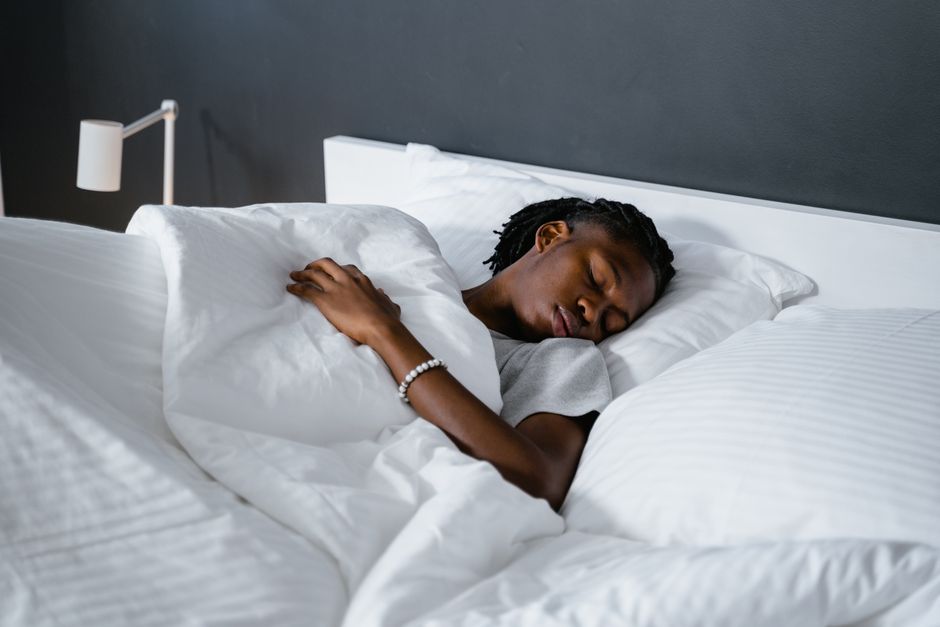
If you have ever fallen asleep on a couch or a hotel bed with no pillow and woken up feeling oddly refreshed, you are not imagining it. For some people, sleeping without a pillow reduces neck strain, improves breathing, or simply stops a habit that was never helping. The short answer: pillows are a tool, not a requirement. When a pillow pushes your head into an unnatural angle or crowds your airway, removing it can genuinely improve sleep quality.
Your body has a natural sleeping position it prefers. A pillow either supports that position or fights it. When it fights it, you feel the difference by morning.
Why Do I Sleep Better Without A Pillow?
Because the pillow you were using was probably the wrong height or firmness for your body and sleep position.
A pillow that is too thick lifts your head too far above your spine. That forces your neck into a sideways or forward bend that your muscles have to work against all night. A pillow that is too thin leaves a gap under your neck that your muscles also have to bridge. Either way, your neck is not resting. It is working.
Remove the pillow and, for some sleepers, the spine settles closer to neutral. Muscle tension drops. You stop waking with a stiff neck.
There is a second mechanism that gets less attention. Pillows can restrict airflow. If your chin gets pushed toward your chest, your airway narrows. If your face gets pressed into fabric, you may rebreathe warmer air or feel blocked. Some people who sleep without a pillow find their breathing feels easier and their mouth stays closed through the night.
And a third factor is simple friction. Pillows shift, bunch, and go flat. Every adjustment is a small arousal. Sleeping without one removes that disruption entirely.
What Does Your Sleep Position Have to Do With It?
Your sleep position determines whether a pillow helps or hurts, and it is the single most important variable here.
Back sleepers need very little support. The head naturally rests close to the mattress. A thick pillow pushes the chin down toward the chest. That position can narrow the airway, and for some people it makes snoring or breathing harder. A back sleeper who removes the pillow often finds the head rests in a more neutral, open position.
Side sleepers are different. The shoulder creates a gap between the head and the mattress. Without a pillow, the neck tilts downward toward the bed. For many side sleepers that tilt causes strain over time, though not everyone feels it. Side sleeping without a pillow tends to work better on a softer mattress where the shoulder can sink in.
Stomach sleepers may benefit most from removing a pillow. A pillow under the face on your stomach forces the neck into a sharp twist. Sleeping flat, or with a very thin pillow, keeps the neck closer to neutral.
- Back sleeper: little or no pillow often works well
- Side sleeper: usually needs some support to fill the shoulder gap
- Stomach sleeper: flat or very thin support is often more comfortable
- Combination sleeper: often benefits from a thinner pillow than they currently use
Is Sleeping Without a Pillow Bad for Your Neck?
Not automatically. The evidence does not support the idea that everyone needs a pillow for neck health.
What matters is whether your neck stays close to neutral. Neutral means the head sits roughly in line with the spine, not bent forward, backward, or twisted. A pillow can help you reach neutral or push you away from it. Removing a pillow can do the same.
Some clinicians note that a small rolled towel under the neck can give support without lifting the head. That is common practice, not a strongly tested recommendation. The reasoning is sound: it fills the natural curve of the neck while keeping the head low.
If you already have neck pain, disc problems, or a diagnosed spinal condition, this is a conversation to have with your clinician. General sleep comfort advice does not replace individual medical guidance.
Can Sleeping Without a Pillow Help With Snoring or Breathing?
It can, for some people, because head position affects how open your airway is.
When your chin drops toward your chest, the soft tissues at the back of your throat can crowd together. That narrows the airway. A thick pillow can push the head into exactly that position. Sleeping flatter can keep the head and neck in better alignment and help the airway stay open.
That said, snoring has many causes. Nasal blockage, allergies, weight, alcohol, and the shape of your airway all play a role. Removing a pillow addresses one variable. It is not a treatment for obstructive sleep apnea, which is a serious condition that needs medical assessment. If you snore heavily, gasp, or feel exhausted despite a full night in bed, talk to a doctor.
One clarification worth knowing: sleeping flat on your back without a pillow is not the same as sleeping with your head propped up. Elevating the head of the bed is sometimes advised for reflux, and that is a different intervention from pillow choice. Do not confuse the two.
What Else Changes When You Remove the Pillow?
Temperature, dust exposure, and movement all shift when the pillow comes out of the equation.
A pillow traps heat around your head. Some people sleep hotter with one and cooler without. Since core body temperature needs to drop slightly for sleep to begin, feeling cooler around the head can help some sleepers fall asleep faster.
Pillows also collect dust mites, skin cells, and allergens over time. If you wake congested or sneezy, removing a pillow removes a concentrated source of exposure near your face. Washing pillowcases regularly helps, but the pillow itself is harder to clean.
Then there is movement. On a pillow, your head can slide or the pillow can shift when you turn. Without one, the head stays put more easily. Fewer small adjustments can mean fewer brief awakenings you never remember.
How Do You Know If Sleeping Without a Pillow Is Right for You?
Try it for a week and pay attention to how you feel in the morning, not just whether it feels strange on the first night.
Most people notice the answer quickly. If you wake with less neck stiffness, easier breathing, or fewer headaches, that is useful information. If you wake with a sore neck, shoulder pressure, or a headache that builds through the day, your body is telling you it needs some support.
You do not have to choose between a full pillow and nothing. A thinner pillow, a folded towel, or a small rolled support under the neck are middle options. Many people find their best fit somewhere in between.
Watch for these signs that no pillow is not working for you:
- Neck or shoulder pain that appears in the morning and fades during the day
- Numbness or tingling in the arms or hands
- Headaches that start overnight or early morning
- Waking more often than before you made the change
If any of these persist, go back to a thin pillow and see if it resolves. If symptoms continue, especially numbness or tingling, see a clinician.
What Kind of Pillow Should You Use Instead?
If you decide you still want some support, match the pillow to your position rather than to marketing claims.
Back sleepers generally do well with a thin pillow or none. Side sleepers usually need enough height to fill the gap between the shoulder and the head, which varies with shoulder width and mattress firmness. Stomach sleepers often do best with a very thin pillow or none at all.
There is no single pillow that is best for everyone. Claims about specific materials, shapes, or “ergonomic” designs are often stronger than the evidence behind them. A pillow that keeps your head and neck close to neutral and feels comfortable in the morning is doing its job.
Replace pillows when they lose shape or stop supporting your head. There is no universal replacement schedule, but a pillow that no longer springs back, or that you have to fold to get comfortable, is past its useful life.
Frequently Asked Questions
Why do I sleep better without a pillow?
Your pillow may have been the wrong height for your body and sleep position, pushing your neck out of alignment or crowding your airway. Removing it can bring the head and neck closer to neutral for some sleepers.
Is it bad to sleep without a pillow every night?
Not necessarily. Back and stomach sleepers often do fine without one. Side sleepers may develop neck or shoulder discomfort over time because the shoulder creates a gap that needs support.
Can sleeping without a pillow help snoring?
It can help some people by keeping the chin from dropping toward the chest, which can narrow the airway. Snoring has many causes, and heavy snoring or gasping should be checked by a doctor.
What can I use instead of a pillow for neck support?
A thin pillow, a folded towel, or a small rolled towel under the neck are common options. These are practical suggestions rather than strongly tested recommendations.
