
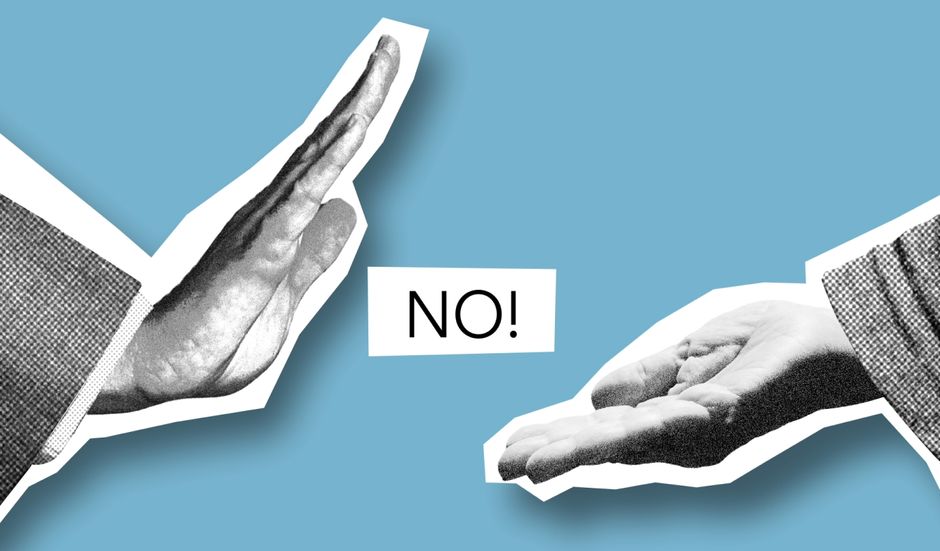
Conflict avoidance is one of the most common patterns people bring to therapy, and it usually starts long before the moment you walk out of the room. If you run away from conflict, you are likely responding to a nervous system that learned, somewhere along the way, that confrontation was dangerous or pointless. The avoidance itself is not a character flaw. It is a protective habit, and habits can be changed with awareness and practice.
Why Do I Run Away From Conflict And How To Stop?
The short answer is that avoidance is a learned stress response, not a personality trait. When your brain reads a disagreement as a threat, it triggers the same fight-or-flight system that activates during physical danger. For many people, the “flight” branch wins.
This happens because the brain is not really distinguishing between a shouting match and a physical threat. The amygdala, a small structure deep in the brain that flags danger, responds to social conflict in ways similar to physical threat. It signals the body to release stress hormones like adrenaline and cortisol. Your heart rate climbs, your muscles tense, and your thinking narrows.
Leaving the situation ends that discomfort fast. That relief is the reward. Over time, your brain learns that escaping equals safety, and the pattern reinforces itself. The next conflict feels even more threatening because you have less practice tolerating it.
There is a second layer too. Many people who avoid conflict grew up in environments where speaking up led to punishment, ridicule, or a parent’s withdrawal of affection. Others learned that keeping the peace was the only way to keep a relationship stable. These are not weaknesses. They are adaptations that made sense at the time.
The problem is that the strategy stops working in adulthood. Unaddressed conflict does not disappear. It tends to surface later as resentment, distance, or a slow erosion of closeness.
What Happens In Your Body During Conflict Avoidance?
Your body treats avoided conflict as unfinished business. Even when you walk away, the stress response does not fully shut off.
During the moment of conflict, your sympathetic nervous system activates. This is the branch responsible for the fight-or-flight response. Blood flows to your muscles, digestion slows, and your attention narrows to the perceived threat. If you leave, the immediate danger passes, but the underlying stress often lingers.
People who habitually avoid conflict sometimes notice they feel tense for hours afterward. Some replay the conversation in their head. Others feel a low-grade dread about the next interaction with that person.
Over time, chronic unresolved stress can affect sleep, mood, and even physical health. Research on stress and cardiovascular health has consistently linked long-term stress to higher blood pressure and other health risks, though the relationship is complex and involves many factors beyond conflict alone.
This is not to say that every avoided argument causes disease. It does mean that the “just let it go” approach has a cost, and that cost is often paid quietly.
Is Conflict Avoidance Always a Bad Thing?
No. Some conflict is genuinely not worth engaging, and walking away can be the wisest choice available.
If someone is verbally abusive, intoxicated, or physically threatening, leaving is the correct response. There is no benefit to “working through” a conversation with a person who cannot or will not engage safely.
There is also a difference between avoiding conflict and choosing your battles. Declining to argue about where to eat dinner is not the same as never telling your partner that you feel unheard. The first is a reasonable trade-off. The second is a pattern that damages relationships over time.
The useful question is not “am I avoiding conflict?” but “am I avoiding this conflict because it is genuinely not worth it, or because I am afraid?”
That distinction matters. Fear-driven avoidance tends to shrink your life. Deliberate restraint usually does not.





How Do I Start Staying In Difficult Conversations?
You start small, and you start with low-stakes situations. Trying to overhaul your entire conflict style in one hard conversation rarely works.
One practical approach is to name what is happening in the moment, either to yourself or out loud. Saying “I notice I want to leave right now” gives you a beat of space before you act on the impulse. That pause is where change begins.
Another is to set a time limit before you start. Telling yourself “I will stay in this conversation for five minutes and then I can take a break” makes the situation feel more manageable. You can extend the time later. The goal is to prove to your nervous system that you can tolerate discomfort without fleeing.
Grounding techniques help here. Slow breathing, feeling your feet on the floor, or briefly focusing on a physical object can reduce the intensity of the stress response enough to keep you present.
It also helps to prepare what you want to say in advance. People who avoid conflict often freeze because they cannot find words in the moment. Writing down a few sentences beforehand gives you something to reach for.
If the pattern is severe, or if it traces back to trauma, working with a therapist is often more effective than trying to change it alone. Therapy approaches such as cognitive behavioral therapy have been studied for social anxiety and related patterns, and the general evidence supports structured therapeutic work for these issues.
What Can I Say When I Want To Run?
Having a few phrases ready can make the difference between staying and bolting.
You do not need perfect language. You need something honest that buys you time without shutting the conversation down entirely.
- “I need a minute to think about this. Can we come back to it in ten minutes?”
- “I am feeling overwhelmed right now, but I do want to talk about this.”
- “I hear you. Let me make sure I understand what you are saying.”
- “I am not trying to avoid this. I just need to slow down.”
- “Can we take this one piece at a time?”
Notice that none of these phrases end the conversation. They pause it. That is different from fleeing. A pause with a clear intention to return keeps the issue alive and signals to the other person that you are still engaged.
The key is to actually come back. If “I need a minute” becomes “I never bring it up again,” the other person learns that your pauses are really exits, and trust erodes.
Why Does This Pattern Feel So Hard To Break?
Because your brain has spent years treating avoidance as the solution, and it has evidence to back that up. Every time you left a conflict and felt relief, the pattern got a little stronger.
This is basic reinforcement. Behaviors that reduce discomfort tend to repeat. Avoidance is one of the most reinforcing behaviors there is, because the relief is immediate and reliable.
Breaking the pattern means tolerating short-term discomfort for long-term gain. That is the opposite of what your nervous system is pushing you to do. It is not a matter of willpower. It is a matter of retraining a response that developed for good reasons.
Progress is usually uneven. You may handle one conflict well and then avoid the next one completely. That is normal. What matters is the overall direction, not any single interaction.
Some people find that the fear of conflict fades relatively quickly once they have a few successful experiences. Others find it takes longer, especially if the pattern is tied to early experiences or ongoing anxiety. Both are within the range of normal.
When Should I Get Professional Help?
If conflict avoidance is affecting your relationships, your work, or your sense of self, it is worth talking to a professional.
Signs that it may be time to seek support include:
- You avoid necessary conversations even when the cost is high.
- You feel intense anxiety before or after any disagreement.
- Your relationships are suffering because you cannot express needs or boundaries.
- You notice physical symptoms like panic, nausea, or racing heart during conflict.
- The pattern traces back to trauma, abuse, or a difficult childhood.
Therapists who work with anxiety, trauma, or relationship issues are generally well equipped to help with this. Cognitive behavioral therapy and related approaches have the strongest evidence base for anxiety-driven avoidance patterns. Some people also benefit from couples therapy if the avoidance is primarily showing up in a romantic relationship.
There is no single right time to ask for help. If you are wondering whether it would help, that is often a reasonable sign that it would.
Frequently Asked Questions
Is conflict avoidance a mental health condition?
No, conflict avoidance is not a diagnosable condition on its own. It can be a feature of anxiety disorders, trauma responses, or certain personality patterns, but it is more accurately described as a learned behavior.
Can I change this pattern on my own?
Many people can make meaningful progress on their own by starting with low-stakes situations and practicing staying present. If the pattern is severe or tied to trauma, professional support tends to be more effective.
Why do I feel physically sick before an argument?
That reaction is your body’s stress response activating, including adrenaline release and changes in heart rate and digestion. It is a normal physiological reaction, not a sign that something is wrong with you.
Does avoiding conflict ever help a relationship?
Sometimes, yes. Choosing not to engage in a trivial disagreement can protect a relationship. The problem arises when avoidance becomes the default response to anything important.
