
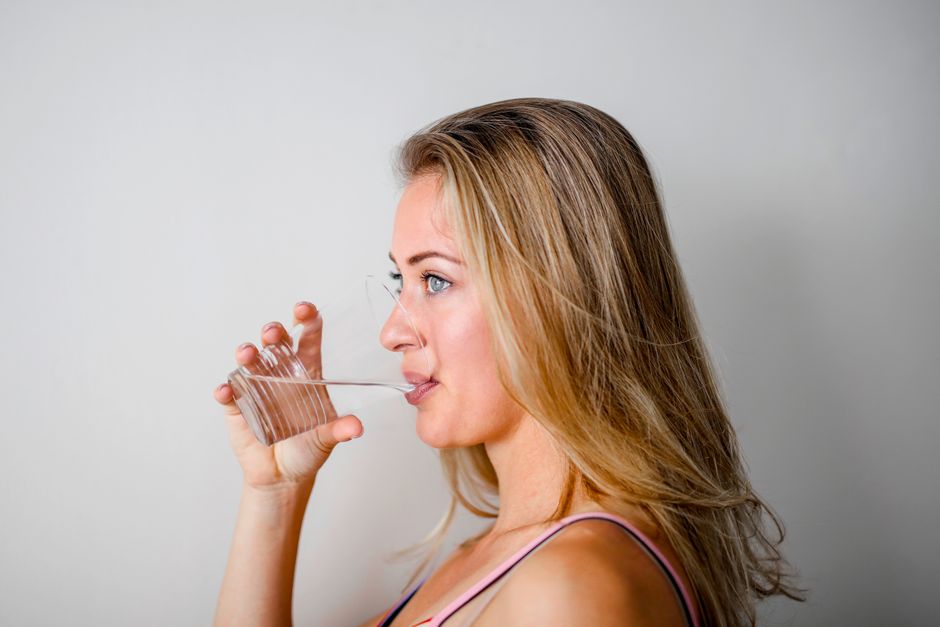
You drink a glass of water and twenty minutes later you’re in the bathroom again. That’s not a sign that something is wrong with your kidneys. It’s your body doing exactly what it’s supposed to do. Water raises the volume of fluid in your bloodstream, your kidneys filter out the excess, and your bladder fills faster than usual. For most healthy adults, urinating more after drinking more is normal physiology, not a medical problem.
What surprises people is the speed. Water can start reaching your bladder within about 15 to 30 minutes, which is faster than many expect. The amount you pee is also tied to how much you drank, how fast you drank it, and what else is in your system — caffeine, alcohol, and even the temperature of the room all play a part.
Why Do I Pee So Much When I Drink Water?
Your kidneys are constantly filtering blood, and they adjust how much water they send back into your body based on what you need. When you drink a large amount of water, blood volume rises slightly and the concentration of dissolved particles in your blood drops. Your body responds by reducing a hormone called antidiuretic hormone (ADH), also known as vasopressin.
ADH normally tells your kidneys to hold onto water. When ADH falls, the kidneys let more water pass into urine instead of reabsorbing it. The result is a larger volume of dilute urine. That’s the whole mechanism. It’s not a leak, a weakness, or a sign your body is rejecting the water.
Two things make this more noticeable than people expect:
- Speed. Once water is absorbed from your gut into your blood, your kidneys can begin excreting the excess quickly. For many people that means a bathroom trip within roughly 15 to 30 minutes of a large drink.
- Volume. Drinking 16 ounces quickly produces more urine than sipping the same amount over an hour. Your kidneys respond to the rate of change as much as the total amount.
Cold water can also trigger a stronger urge in some people, though this varies and isn’t well studied as a consistent effect. The bigger driver is almost always volume and speed.
How Much Water Is Too Much in One Sitting?
There’s no single number that fits everyone, because body size, activity, climate, and kidney function all matter. But drinking water faster than your kidneys can excrete it is the situation to avoid. Healthy kidneys can typically process a limited amount of fluid per hour, and exceeding that rate is what causes trouble.
Drinking very large volumes in a short window — several liters within a few hours — can dilute the sodium in your blood, a condition called hyponatremia. This is rare in everyday life but does happen, and it has been documented in endurance athletes who drink excessively during long events and in people who follow extreme water-drinking challenges.
For ordinary daily hydration, official guidance generally points to total fluid intake from all beverages and food rather than a fixed number of glasses of plain water. The often-repeated “eight glasses a day” figure is a rough rule of thumb, not a clinical recommendation. Thirst, urine color, and how you feel are reasonable everyday guides for healthy adults. People with heart failure, kidney disease, or liver disease may be given specific fluid limits by their clinician, and those limits should be followed.
Why Does Water Make Me Pee So Fast Compared to Other Drinks?
Plain water moves through you relatively quickly because it doesn’t contain anything that slows absorption or adds to the solute load. Drinks with sugar, salt, or protein are absorbed differently and can hold fluid in the gut longer. Water is also the least concentrated thing you can drink, so it dilutes your blood the most per ounce and triggers the strongest ADH suppression.
Some drinks actually increase urine output beyond their own volume:
- Caffeine. Caffeine has a mild diuretic effect at higher doses, though the effect is smaller in people who drink it regularly.
- Alcohol. Alcohol suppresses ADH directly, which is why drinking alcohol leads to more urine and often dehydration. This effect is stronger than caffeine’s.
- Very large volumes of any fluid. Volume itself drives urine output regardless of what you’re drinking.
One clarification worth knowing: coffee and tea still count toward your fluid intake. The mild diuretic effect of a normal cup does not cancel out the water in the drink for most people. The idea that coffee dehydrates you is overstated for habitual drinkers.
Is Peeing a Lot After Drinking Water a Sign of Diabetes?
Frequent urination is a classic symptom of diabetes, but the pattern is different from what most people worry about. In diabetes, the kidneys are trying to clear excess glucose from the blood. Glucose pulls water with it into the urine, which increases urine volume regardless of how much you’ve had to drink. That’s why people with undiagnosed diabetes often pee a lot and feel very thirsty — the two go together.
The pattern that points toward a medical cause rather than normal physiology usually includes:
- Urinating frequently even when you haven’t been drinking much
- Feeling unusually thirsty all the time
- Waking multiple times a night to urinate
- Unexplained weight loss, fatigue, or blurred vision
If you recognize that pattern, it’s worth talking to a clinician. A simple blood test can check blood glucose and rule it in or out. Peeing more after drinking a lot of water, on its own, is not that pattern.
What Else Can Make You Pee More Often?
Several common conditions increase urinary frequency, and they’re worth knowing because they can be mistaken for a water-drinking effect.
Overactive bladder causes sudden, urgent urges to urinate, often with frequency, even when the bladder isn’t full. Urinary tract infections cause frequency along with burning, urgency, and sometimes cloudy urine. In men, an enlarged prostate commonly causes frequent urination and a weak stream, particularly at night. Pregnancy increases urine output because of higher blood volume and pressure on the bladder.
Some medications also increase urine output. Diuretics — often called water pills — are prescribed for high blood pressure and heart conditions and work by increasing urine production directly. If you started a new medication and noticed more bathroom trips, that’s a reasonable thing to mention to your prescriber.
Age matters too. Bladder capacity and the ability to hold urine tend to decline gradually with age, so older adults often notice more frequent urination from the same fluid intake.
When Should Frequent Urination Concern You?
Peeing more after drinking more is expected. The situations that warrant a conversation with a clinician are different. These include urinating frequently without drinking much, blood in the urine, pain or burning when you urinate, difficulty starting or emptying your bladder, and a sudden change in your normal pattern that persists.
Also worth noting: a sudden increase in urination along with extreme thirst, confusion, or feeling very unwell can be a sign of a serious problem, including very high blood sugar or a sodium imbalance. Those situations call for prompt medical attention rather than watchful waiting.
For the vast majority of healthy adults, the answer to “why do I pee so much when I drink water” is simple. You drank water. Your kidneys handled it correctly. The bathroom trip is the proof.
Frequently Asked Questions
How long after drinking water do you pee?
For many people, urine production increases within about 15 to 30 minutes of drinking a large amount of water. The timing varies with how much you drank, how fast, and your individual kidney function.
Is peeing a lot after drinking water healthy?
Yes, for most healthy adults it’s a normal sign that the kidneys are regulating fluid balance correctly. It only becomes a concern when frequency happens without much fluid intake or comes with other symptoms.
Does drinking water make you pee out all the water you drank?
No. Your body retains what it needs and excretes the excess, so the amount you pee is generally less than what you drank. The proportion depends on your hydration status at the time.
Why do I pee so much at night after drinking water?
Drinking a large amount close to bedtime often leads to nighttime urination because your kidneys continue filtering while you sleep. Reducing fluids in the hour or two before bed helps many people, though frequent nighttime urination can also have medical causes worth checking.
