
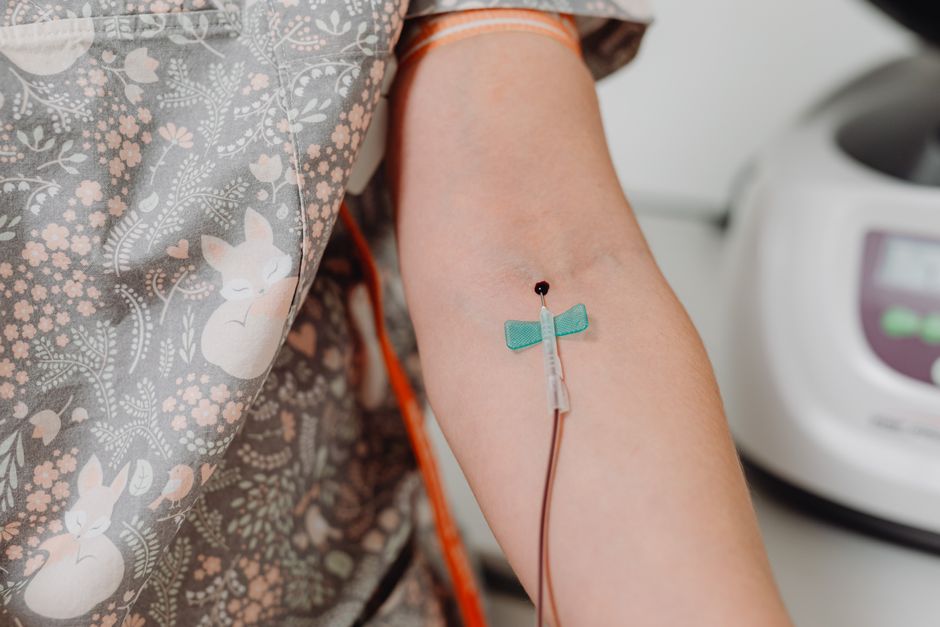
Fainting during a blood draw is a reflex, not a sign of weakness. For some people, the sight of a needle, the sensation of the tube filling, or even the smell of the clinic triggers a sudden drop in heart rate and blood pressure. Blood flow to the brain falls for a few seconds, and consciousness briefly switches off. The medical name is vasovagal syncope, and it is one of the most common reasons people pass out in medical settings.
Why Do I Pass Out When Blood Is Drawn?
The short answer is a misfire in your nervous system. Your body has a reflex designed to help you survive blood loss. When certain sensors detect a threat, they can slow your heart and open your blood vessels. That reflex is useful if you are actually bleeding. During a blood draw, it fires anyway.
This is called a vasovagal response. The vagus nerve, which runs from your brain to your chest and abdomen, sends a signal that does two things at once. It slows the heart rate. It also causes blood vessels in your legs and abdomen to widen. With a slower pump and more space for blood to pool, pressure drops. The brain, sitting at the top of the body, gets less blood than it needs to stay conscious.
Some people faint from the needle itself. Others faint from the sight of blood, the thought of blood, or even standing in line at a lab. The trigger varies. The reflex is the same.
What Happens in Your Body Right Before You Go Down?
Most people get a warning, though it can last only a few seconds. The first sign is often a wave of warmth or a cold sweat. You may feel nauseated or suddenly very tired. Vision can narrow, gray out, or develop a tunnel effect.
Some people describe a roaring or ringing sound in their ears, or a sense that sounds are far away. Others feel lightheaded or dizzy, like the room is tilting. These symptoms mean blood pressure has already dropped and the brain is struggling.
If you sit or lie down at this point, the faint often does not happen. Lying flat lets gravity help blood return to the brain instead of pooling in the legs. If you stay upright, you may lose consciousness within seconds.
After you go down, most people come back within a minute or so. The brain restores blood flow once you are horizontal. Some people feel shaky, sweaty, or wiped out for several minutes afterward.
Is It the Needle, the Blood, or Something Else?
There are two related but different triggers, and it helps to know which one applies to you.
- Blood-injection-injury phobia. This is a genuine phobia, and it is unusual among phobias because it causes fainting rather than a racing heart. The sight or anticipation of blood, needles, or injury sets off the reflex.
- Situational faint. This happens without a true phobia. Prolonged standing, heat, dehydration, an empty stomach, or a stressful clinic visit can lower your threshold. The blood draw is the final push, not the whole cause.
Many people have a mix of both. A person with no fear of needles can still faint if they skipped breakfast and stood in a warm waiting room for twenty minutes.
One detail that surprises people: this reflex is more common in younger people and often runs in families. It is not a sign that something is wrong with your heart or your blood. In most cases, it is a normal reflex firing at the wrong moment.




What Makes You More Likely to Faint?
Certain conditions lower the threshold for a vasovagal response. Knowing your triggers can help you plan around them.
- Dehydration or not drinking enough before the appointment
- Skipping meals, especially breakfast
- Standing for a long time before or during the draw
- Warm rooms and hot weather
- Poor sleep or exhaustion
- Anxiety or a history of fainting during medical procedures
- A first-time blood draw or a previous bad experience
Some medications can also affect blood pressure or heart rate and make fainting more likely. If you take medication for blood pressure, heart conditions, or anxiety, tell the person drawing your blood.
How Can You Prevent It?
Prevention works best when you start before you walk into the room. None of these steps is a guarantee, but they reduce the odds for many people.
Drink water beforehand. Being well hydrated helps maintain blood volume and blood pressure. Unless your doctor has told you to limit fluids, drinking a normal amount of water in the hours before your appointment is reasonable.
Eat something. A light meal or snack before the draw keeps blood sugar steady and can reduce the reflex. If your test requires fasting, ask the lab whether you can schedule it early and bring a snack for right after.
Ask to lie down. If you have fainted before, tell the staff. Many labs will let you recline for the draw, which makes fainting far less likely and safer if it does happen.
Do not watch. Look away or close your eyes during the draw. For some people, even the sight of the equipment on the tray is enough to trigger the reflex.
Use muscle tension. If you feel symptoms coming on, cross your legs and squeeze your thigh, buttock, and calf muscles for a few seconds, then release. This is called applied tension, and it is a technique used to raise blood pressure during a vasovagal episode. Some clinicians teach it to people who faint often. It works best when practiced before you need it.
Tell someone the moment you feel off. Do not wait to see if it passes. Say something. Staff can lower the chair or help you lie down before you lose consciousness.
When Is Fainting Something More Serious?
Vasovagal syncope during a blood draw is usually harmless. But not all fainting is the same, and some causes need medical attention.
See a doctor if you faint without a clear trigger, faint during exercise or while lying down, or faint repeatedly. Also seek care if you have chest pain, palpitations, shortness of breath, or a family history of sudden cardiac death. These can point to a heart rhythm problem or another condition that is not a simple reflex.
Fainting that happens only with needles, blood, or medical procedures, and that comes with the classic warning signs, is far more likely to be vasovagal. Still, if you are unsure, get it checked. A doctor can review your history and decide whether testing is needed.
One practical point: fainting can cause injury when you fall. Hitting your head on the way down is the main risk. That is another reason to lie down for the draw if you know you are prone to it.
What Should You Do If You Feel It Coming On?
Act fast. The window between the first symptom and losing consciousness can be short.
- Sit down or lie down immediately, even if it feels embarrassing.
- Raise your legs if you can, or have someone lift them for you.
- Cross your legs and tense your muscles if you cannot lie down.
- Tell the staff what is happening.
- Stay down for a few minutes after symptoms pass before standing.
Do not try to push through it. Standing up and waiting it out is how people end up on the floor.
If you do faint, you will likely wake up on your own within a minute. Stay lying down until you feel steady. Get up slowly. Drink some water. Eat something if you have not eaten.
Frequently Asked Questions
Is it normal to pass out during a blood draw?
Yes, it is common and usually harmless. The vasovagal reflex causes a brief drop in heart rate and blood pressure, which temporarily reduces blood flow to the brain.
How do I stop myself from fainting during a blood draw?
Drink water, eat beforehand if allowed, ask to lie down, and look away during the draw. If symptoms start, lie down right away or tense your leg and core muscles to raise your blood pressure.
Should I see a doctor after fainting at a blood draw?
Not always, especially if it only happens with needles or blood and you had warning signs. See a doctor if you faint without a clear trigger, during exercise, or with chest pain or palpitations.
Can low blood sugar cause fainting during a blood draw?
It can contribute, especially if you skipped a meal. But the main cause of fainting at a blood draw is the vasovagal reflex, which is triggered by the needle, the sight of blood, or stress rather than by blood sugar alone.
