
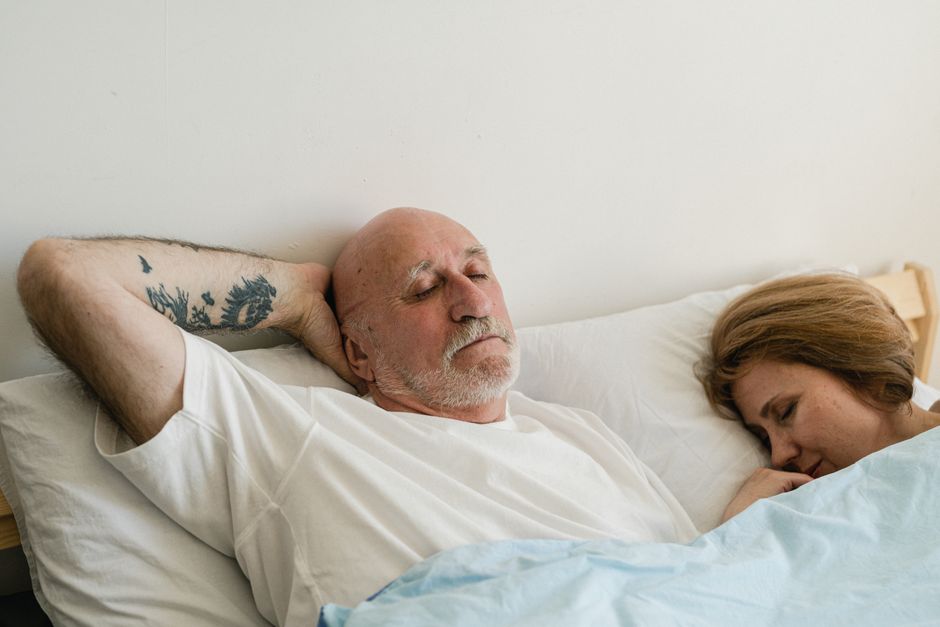
Waking up after just three hours of sleep and feeling wide awake is exhausting in its own way. You are not alone, and this pattern has a name: short sleep. The key causes usually come down to one of three things: a learned habit your body has adopted, an underlying medical condition disrupting your sleep, or a combination of both. Understanding which one applies to you is the first step toward getting more rest.
Why Do I Only Sleep 3 Hours A Night Key Causes
The most common reasons people wake after three hours fall into distinct categories. Stress and anxiety keep your nervous system alert. Alcohol or caffeine interfere with sleep architecture. Medical conditions like sleep apnea or chronic pain fragment your rest. And some people simply have a natural tendency toward shorter sleep cycles.
Age also plays a role. As you get older, your sleep becomes lighter and more easily interrupted. The deep slow-wave sleep that keeps younger adults unconscious for eight hours gradually decreases. By middle age, many people wake more frequently and have a harder time returning to sleep.
What Happens in Your Body After 3 Hours of Sleep
Sleep happens in cycles that last about 90 minutes each. A full night includes four to six cycles moving through light sleep, deep sleep, and REM sleep. Waking after three hours means you have completed roughly two full cycles.
The problem is not the number of cycles. It is what happens after you wake. Most people can fall back asleep after a brief awakening. If you stay awake, your body’s sleep drive has partially reset. The pressure to sleep builds more slowly the second time, making it harder to drift off again.
Your circadian rhythm also matters. This internal clock regulates when you feel sleepy and when you feel alert. If your body has learned that 3 AM is wake time, it will release wake-promoting hormones at that hour. This is why the pattern can become self-perpetuating.
Stress and Anxiety: The Most Common Culprit
Stress keeps your brain in a state of heightened alertness. When you lie down, your mind may race with worries about work, family, or health. This mental activity prevents the relaxation needed for deep sleep.
Cortisol, the primary stress hormone, follows a daily rhythm. Normally it drops at night and rises in the morning. In people under chronic stress, cortisol can spike in the middle of the night. This spike wakes you up and makes it difficult to return to sleep.
Anxiety disorders amplify this effect. People with generalized anxiety often experience nighttime awakenings with racing thoughts. The wakefulness reinforces the anxiety, creating a cycle that is hard to break without intervention.





Medical Conditions That Cause Early Waking
Sleep apnea is a leading cause of fragmented sleep. During apnea episodes, breathing stops briefly, and your brain wakes you just enough to restart breathing. You may not remember these awakenings, but they prevent deep, restorative sleep.
Chronic pain conditions like arthritis or fibromyalgia often worsen at night. Pain signals keep the brain partially alert even when you are asleep. This results in lighter sleep and more frequent awakenings.
Restless legs syndrome causes an irresistible urge to move the legs, especially at night. This movement disrupts sleep and can wake you repeatedly. The condition is treatable, but many people do not realize they have it.
Nocturia, or frequent nighttime urination, is another common disruptor. Waking to use the bathroom once or twice is normal. Waking every night at the same time to urinate can become a learned pattern that persists even when your bladder is not full.
How Alcohol and Caffeine Affect Your Sleep
Alcohol is a double-edged sword for sleep. It helps you fall asleep faster, but it fragments the second half of the night. As your body metabolizes alcohol, withdrawal effects can cause awakenings. This is why drinking often leads to waking after a few hours.
Caffeine blocks adenosine, a chemical that builds sleep pressure. The half-life of caffeine is about five to six hours. A cup of coffee at 4 PM means half the caffeine is still in your system at 10 PM. Even if you fall asleep, the residual caffeine can lighten your sleep and cause early awakening.
Some research suggests that caffeine consumed even six hours before bedtime reduces total sleep time by more than an hour. The effect is stronger in older adults because caffeine metabolism slows with age.
Is Sleeping 3 Hours Ever Enough
No. The vast majority of adults need between seven and nine hours of sleep per night for optimal health. Sleeping only three hours consistently is associated with impaired cognitive function, weakened immune response, and increased risk of chronic conditions like hypertension and diabetes.
A small percentage of people have a genetic mutation that allows them to function well on six hours or less. This condition, called familial natural short sleep, is extremely rare. It affects perhaps one in 25,000 people. If you feel fully rested after three hours, you may wonder if you have this trait. The honest answer is that most people who believe they are fine on little sleep are actually experiencing chronic fatigue they have learned to ignore.
When to See a Doctor About Short Sleep
You should seek medical advice if short sleep is affecting your daily function. Signs include difficulty concentrating, irritability, memory problems, or falling asleep during the day. These symptoms suggest your sleep is not restorative even if you feel accustomed to it.
A doctor can evaluate for underlying conditions like sleep apnea, thyroid disorders, or depression. They may recommend a sleep study, which monitors your brain waves, breathing, and heart rate overnight. This test can identify disruptions you are not aware of.
Do not self-diagnose. Many people assume their short sleep is normal or a personal failing. It is neither. It is a symptom worth investigating.
Practical Steps to Extend Your Sleep
If you wake after three hours, the first step is to stay in bed and try to return to sleep. Keep the room dark and quiet. Avoid looking at your phone, as the light signals your brain to wake up. Try a relaxation technique like deep breathing or progressive muscle relaxation.
If you are awake for more than 20 minutes, get out of bed. Go to a dimly lit room and do something quiet, like reading a paper book. Return to bed only when you feel sleepy again. This prevents your brain from associating bed with wakefulness.
Keep a consistent wake time every day, even on weekends. This strengthens your circadian rhythm and makes it easier to fall asleep at night. If you are not sleepy at your target bedtime, do not force it. Get up and try again in 30 minutes.
Reduce caffeine after noon and limit alcohol in the evening. Both substances interfere with sleep quality even when they do not prevent sleep onset. If you take medications that affect sleep, discuss timing with your doctor.
Treatments for Chronic Short Sleep
Cognitive behavioral therapy for insomnia, or CBT-I, is the first-line treatment for chronic sleep problems. This structured program addresses the thoughts and behaviors that perpetuate poor sleep. It has been shown to be more effective than sleep medications for long-term improvement.
CBT-I includes techniques like stimulus control, sleep restriction, and cognitive restructuring. Sleep restriction may sound counterintuitive, but it involves limiting time in bed to match actual sleep time, then gradually increasing it. This builds sleep pressure and consolidates sleep.
Sleep medications exist but are not a long-term solution. Most are approved for short-term use of a few weeks. They can help break a pattern of insomnia, but they do not address the underlying cause. Discuss risks and benefits with your doctor before starting any sleep medication.
Frequently Asked Questions
Can I train my body to need only 3 hours of sleep?
No. Your sleep need is biologically determined, and consistently sleeping only three hours is associated with significant health risks. The rare genetic trait that allows very short sleep affects an extremely small fraction of the population.
Is waking up at 3 AM every night a sign of a medical problem?
It can be. Consistent early morning awakening is linked to depression, sleep apnea, and other conditions. If the pattern persists for more than a few weeks, a medical evaluation is appropriate.
Does melatonin help with waking up after 3 hours of sleep?
Melatonin helps with falling asleep but has limited evidence for preventing middle-of-the-night awakenings. It works best for regulating sleep timing rather than maintaining sleep throughout the night.
Will sleeping less as I get older damage my health?
Yes. While sleep naturally becomes lighter with age, the need for adequate sleep does not disappear. Chronic short sleep in older adults is associated with increased risks of cognitive decline, falls, and cardiovascular disease.
