
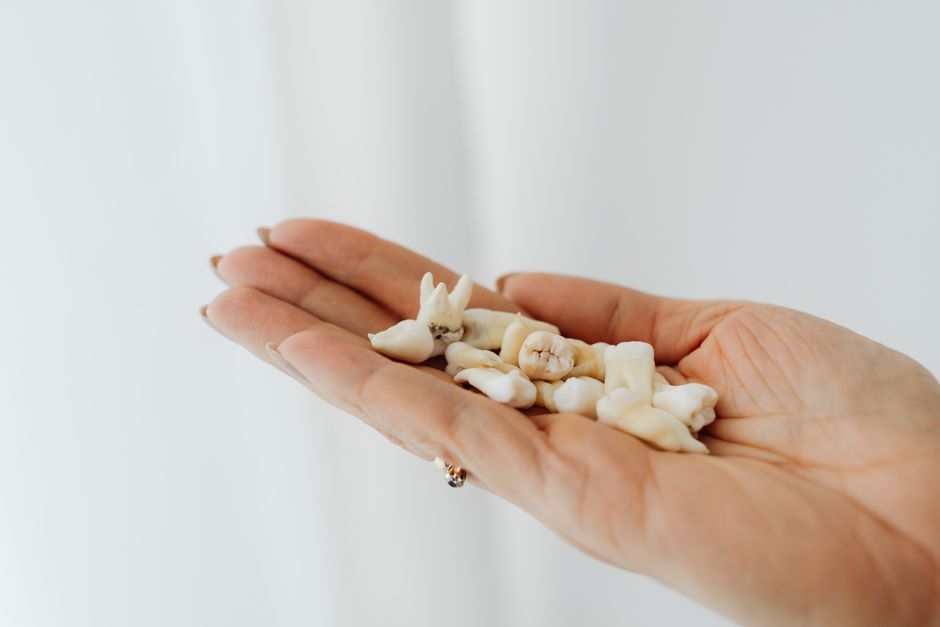
Wisdom teeth are the last molars to develop, usually appearing in the late teens or early twenties. They are also the teeth most likely to cause problems, because by the time they try to come through, the mouth is often already full. Not everyone needs theirs removed. But when a wisdom tooth is trapped, crowding other teeth, or showing signs of disease, removal is often the recommended path. The reasons come down to anatomy, infection risk, and damage to neighboring teeth.
Why Do I Need To Get My Wisdom Teeth Removed?
Most removals happen because the tooth cannot erupt normally. The human jaw has room for 28 teeth in most people. Wisdom teeth, also called third molars, are four extra teeth at the very back of the mouth. In many people, the jaw is simply too small to fit them.
When a wisdom tooth has no room, it becomes impacted. That means it stays partly or fully buried in the gum or bone. An impacted tooth can grow at an angle, pushing into the molar in front of it. It can also stay trapped beneath the gum surface with no way to break through.
This creates several concrete problems:
- Food and bacteria get trapped around a partly erupted tooth, which is hard to clean.
- The tooth can press on the neighboring molar and damage it.
- A sac of fluid can form around an unerupted tooth, creating a cyst that can hollow out the jawbone.
- Pressure from a growing wisdom tooth can shift other teeth, though the evidence on how much it moves them is mixed.
The core issue is that an impacted wisdom tooth is difficult or impossible to keep clean. That is the mechanism behind most of the trouble it causes.
What Happens If You Leave an Impacted Wisdom Tooth Alone?
Some impacted wisdom teeth sit quietly for years and never cause a problem. Others become a source of repeated infection. The most common is pericoronitis — inflammation of the gum flap that covers a partly erupted tooth.
Bacteria and food collect under that flap. The gum becomes swollen, tender, and sometimes infected. Symptoms include pain at the back of the jaw, difficulty opening the mouth fully, and a bad taste. In more serious cases, the swelling can spread into the cheek or throat, which is a medical concern that needs prompt attention.
There is also the risk to the tooth next door. A wisdom tooth that leans into the second molar can create a pocket where decay starts on a tooth you actually need. Some research suggests that damage to the adjacent molar is one of the more common reasons dentists recommend removal.
Cysts are less common but worth knowing about. A fluid-filled sac can develop around the crown of an unerupted tooth. Most stay small. Some enlarge and can weaken the jawbone. This is one reason even a symptom-free impacted tooth is sometimes monitored with X-rays rather than ignored entirely.
Does Every Wisdom Tooth Need to Come Out?
No. This is where a lot of confusion exists, and it is worth being clear. A wisdom tooth that has erupted fully, sits in a normal position, meets the opposing tooth when you bite, and can be cleaned properly does not automatically need removal.
The decision usually depends on the specific tooth and the specific mouth. Factors that point toward removal include:
- The tooth is impacted or partly erupted.
- It has caused repeated infections or gum inflammation.
- It shows signs of decay that cannot be repaired.
- It is damaging the adjacent molar or the surrounding bone.
- It is associated with a cyst or other pathology.
Factors that point toward keeping it include a fully erupted, functional, disease-free tooth that you can brush and floss normally. Some clinicians take a “watch and wait” approach for symptom-free impacted teeth, especially in older adults, and monitor them with periodic X-rays. That is a reasonable strategy in selected cases, though it is a judgment call rather than a universal rule.
Why Do Dentists Sometimes Recommend Removal Before Problems Start?
The timing question is genuinely debated, and it is worth being honest about that. Many dentists recommend removing problem-prone wisdom teeth in the late teens or early twenties, before the roots are fully formed and while the bone is more flexible.
The reasoning is practical. Younger patients tend to recover faster and have fewer complications from surgery. Waiting until later in life can mean denser bone, fully formed roots, and a higher chance of the tooth being close to nerves in the lower jaw. For some older adults, medical conditions or medications can also make surgery riskier.
That said, the evidence on routine removal of symptom-free impacted wisdom teeth is not settled. Some researchers have questioned whether removing teeth that are not currently causing problems is always the right call, given that surgery carries its own risks. The honest position is that this is a case-by-case decision. It depends on the tooth’s position, your age, your health, and how the tooth looks on imaging. A conversation with your dentist or an oral surgeon is the right way to settle it for your situation.
What Are the Risks of Removing Wisdom Teeth?
Wisdom tooth removal is a common procedure, and most people recover without lasting problems. It is still surgery, though, and it carries real risks worth knowing.
Common and expected after-effects include swelling, soreness, and some bleeding in the first day or two. These usually settle within a week or so, though timelines vary from person to person.
More serious but less common risks include:
- Dry socket — when the blood clot that protects the healing socket is lost, causing increased pain a few days after surgery.
- Infection at the surgical site.
- Nerve injury in the lower jaw, which can cause temporary or, rarely, lasting numbness of the lip, tongue, or chin. This is more likely when a lower wisdom tooth sits close to the nerve canal.
- Damage to the adjacent molar during removal.
- Sinus involvement for upper wisdom teeth that sit near the sinus cavity.
Your dentist or surgeon can assess nerve proximity using X-rays or a CT scan before surgery. If you are told a lower tooth is close to the nerve, it is reasonable to ask how that affects the plan.
How Do You Know If Yours Should Be Evaluated?
Many impacted wisdom teeth cause no obvious symptoms at all. That is why routine dental X-rays matter — they can show a problem before you feel it. If you do have symptoms, they often include:
- Pain or swelling at the back of the jaw.
- Red, tender gums around a back tooth.
- Difficulty opening your mouth or chewing.
- A bad taste or persistent bad breath.
- Pressure or aching near the back molars.
These symptoms can also come from other causes, so they do not confirm a wisdom tooth problem on their own. A dental exam and imaging are what settle it. If you have pain that is spreading, swelling in your face or neck, or difficulty swallowing or breathing, that warrants urgent medical attention rather than a routine appointment.
What Should You Expect From the Decision?
Getting a clear answer starts with an exam and imaging. Your dentist can tell you whether each wisdom tooth is impacted, how it is angled, and whether it is affecting the teeth around it. From there, the recommendation should reflect your specific situation — not a blanket rule.
Ask direct questions. Is this tooth causing or likely to cause a problem? What happens if we wait? What are the risks of surgery for my specific tooth? Those answers, more than any general rule, are what should guide the choice. The goal is not to remove teeth for their own sake. It is to prevent the infections, decay, and damage that an impacted tooth can cause.
Frequently Asked Questions
Does everyone need their wisdom teeth removed?
No. Wisdom teeth that are fully erupted, healthy, and easy to clean often do not need removal. The decision depends on the position of each tooth and whether it is causing or likely to cause problems.
What happens if I don’t remove an impacted wisdom tooth?
Some impacted teeth never cause trouble, but others lead to repeated gum infections, decay, damage to the neighboring molar, or cysts. Monitoring with X-rays is an option in some cases.
Is wisdom tooth removal painful?
The procedure is done with local anesthesia, and sedation is often available for comfort. Most people feel pressure rather than sharp pain during surgery, and soreness afterward is usually managed with pain relievers.
How long does it take to recover from wisdom tooth removal?
Swelling and soreness usually peak in the first day or two and ease over about a week. Full healing of the socket takes longer, and recovery time varies from person to person.
