
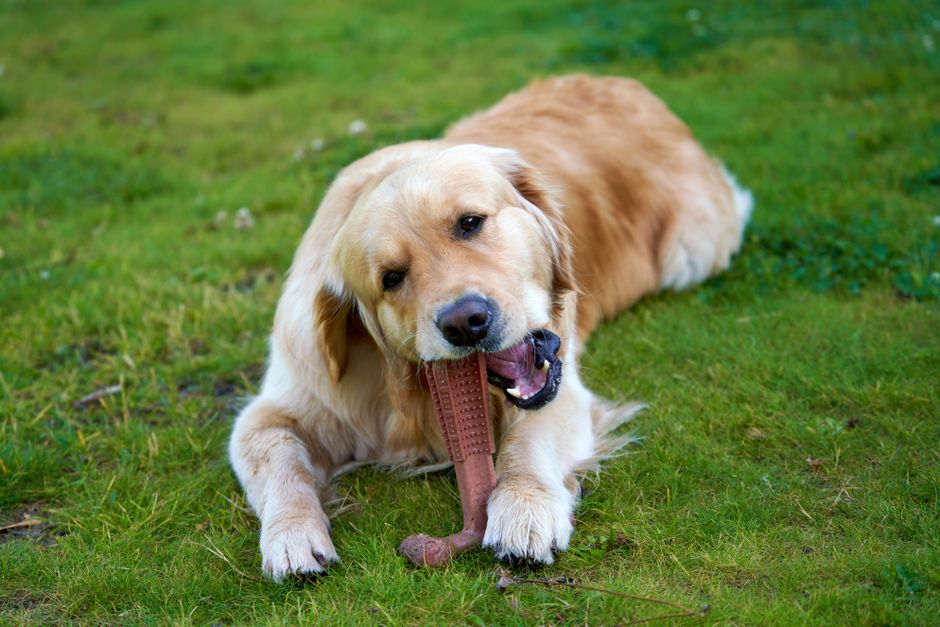
You catch yourself gnawing on a pen cap, chewing the inside of your cheek, or biting your nails while you think. You are not alone, and you are not broken. Chewing on things is a common human behavior, and science explains it through a mix of stress regulation, oral sensory stimulation, and habit. The urge usually has a purpose, even when it feels automatic.
What you chew on matters, and so does how often you do it. Some chewing habits are harmless. Others can wear down teeth or point to something worth paying attention to. Understanding the why is the first step to knowing whether your habit needs a closer look.
Why Do I Like Chewing On Things Science Explains
Chewing is one of the body’s built-in ways to manage arousal and stress. The jaw muscles are powerful and tightly connected to the nervous system. When you chew, you stimulate nerves in the mouth and jaw that feed back into the brain.
Researchers have studied chewing as a form of what they call “oral motor activity.” Some studies suggest that chewing can influence alertness and stress markers, though results vary and the effect sizes are generally modest. The evidence is not strong enough to say chewing reliably reduces anxiety in everyone. What it does show is that the mouth and jaw are part of how the body responds to tension.
There is a practical reason chewing feels good too. It is repetitive and rhythmic. Repetitive movement tends to be calming for the nervous system, which is why people pace, tap, or rock when stressed. Chewing fits that pattern.
For some people, the urge is tied to focus. Chewing can provide a low-level sensory input that helps the brain stay engaged during concentration. This is not a proven performance booster, but it is a common experience and it fits what we know about how sensory input affects attention.
Is Chewing On Things A Sign Of Anxiety?
Sometimes. Chewing on objects, nails, or the inside of your mouth is often a sign of mild tension or restlessness. It can be a way the body releases nervous energy.
It becomes more meaningful when it is frequent, hard to stop, and tied to distress. In that case, it may be part of a broader pattern of anxiety or a body-focused repetitive behavior. These behaviors include things like nail biting, cheek biting, and hair pulling. They are often automatic and can be difficult to control without awareness and support.
Not everyone who chews on things is anxious. Many people chew for sensory reasons, out of boredom, or simply because it became a habit. A habit can form without any underlying anxiety at all.
The key question is whether the behavior causes you distress or harm. If it does, it is worth talking to a doctor or mental health professional. If it is occasional and harmless, it is likely just a habit.
What Is The Link Between Chewing And Stress?
The link is real but often overstated. The jaw is connected to the body’s stress response through the trigeminal nerve, which carries sensation from the face and mouth. Chewing activates this pathway and can influence how alert or calm you feel.
Some research has looked at chewing gum and stress. Results are mixed. Some studies report small reductions in self-reported stress or changes in stress hormones, while others find little effect. No large, consistent body of evidence shows that chewing is a reliable treatment for anxiety.
What is well established is that the jaw muscles tighten under stress. Many people clench or grind their teeth when anxious, often without noticing. This is called bruxism, and it is common. Chewing on objects may be a milder version of the same tension-release pattern.
One clarification worth making: chewing something does not “burn off” stress in a measurable way. It is better understood as a sensory outlet. That outlet can feel soothing, but it is not a substitute for addressing the source of stress.
Why Do I Chew On My Cheeks And Lips?
Cheek and lip chewing is one of the most common body-focused habits. It often starts as a response to stress, boredom, or concentration, then becomes automatic.
The inside of the mouth is highly sensitive. Chewing there provides immediate sensory feedback, which can be oddly satisfying. Over time, the brain learns to repeat it.
This habit can cause problems. Repeated cheek biting can lead to sores, swelling, and in some cases infection. It can also cause the lining of the mouth to become thickened or uneven. In rare cases, long-term cheek biting has been linked to more serious changes, so persistent sores that do not heal deserve a medical look.
Lip chewing can cause chapping, cracking, and soreness. It is often worse in dry or cold weather. If you chew your lips or cheeks often, a doctor or dentist can help you find ways to reduce it.
Is Chewing On Things Bad For Your Teeth?
It depends on what you chew and how hard you chew it. Chewing on hard objects like pens, ice, or fingernails can damage teeth over time. It can chip enamel, crack fillings, or wear down the biting surfaces.
Chewing on soft items like clothing or the inside of your cheek is less likely to damage teeth, but it can still cause problems with the mouth’s soft tissue.
If you grind or clench your teeth, especially at night, that is a separate issue with its own risks. Bruxism can wear down teeth, cause jaw pain, and lead to headaches. A dentist can often spot the signs during a routine exam.
Some clinicians recommend sugar-free gum as a safer alternative for people who need to chew. Chewing gum increases saliva flow, which can help protect teeth. But gum is not a solution for everyone, and it does not address the underlying habit.
How Can I Stop Chewing On Things?
Start by noticing when it happens. Most people chew without awareness, so the first step is simply paying attention. Keep a small note of when and where the urge shows up.
Once you know your triggers, you can try to replace the habit with something else. A stress ball, a fidget tool, or a piece of sugar-free gum can give your mouth or hands something to do. This is called habit substitution, and it is a common approach for body-focused habits.
If the habit is tied to stress, addressing the stress itself matters more than the chewing. Relaxation techniques, regular physical activity, and good sleep can all help reduce the tension that drives the behavior. These are general wellness steps, not proven cures for chewing habits.
If you bite your cheeks or lips until they bleed, or if the habit causes you real distress, talk to a doctor or mental health professional. Some people benefit from behavioral therapy that targets repetitive habits. The evidence for these approaches is reasonable but not universal, so results vary.
When Should You See A Doctor?
See a doctor or dentist if you have mouth sores that do not heal within a couple of weeks, if you have ongoing jaw pain, or if chewing is damaging your teeth. These are signs worth checking.
Also seek help if the habit feels out of your control or causes significant distress. Body-focused repetitive behaviors can be treated, and you do not have to manage them alone.
For most people, occasional chewing on things is not dangerous. It is a common habit with understandable roots. The goal is not to shame yourself out of it but to understand it and decide whether it needs attention.
Frequently Asked Questions
Why do I like chewing on things so much?
Chewing provides sensory input and can act as a stress outlet through the jaw’s nerve connections. It is often a mix of habit, tension release, and oral stimulation.
Is chewing on things a sign of anxiety?
It can be, especially if it is frequent and hard to stop. But many people chew out of habit or boredom without any anxiety disorder.
What does it mean if I chew on my cheeks?
Cheek chewing is a common body-focused habit often triggered by stress or concentration. It can cause sores, so persistent wounds should be checked by a doctor or dentist.
Can chewing on things damage my teeth?
Yes, chewing hard objects like pens or ice can chip enamel or crack fillings. Softer items are less likely to damage teeth but can still irritate mouth tissue.
