
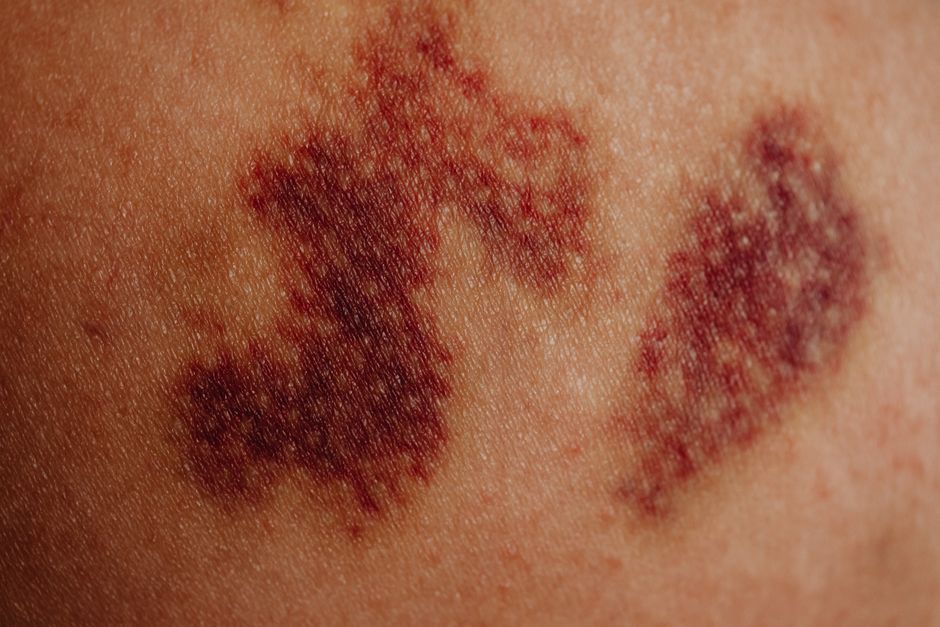
Bruising easily can happen when small blood vessels under the skin break and leak blood into surrounding tissue. Most occasional bruises are not a sign of anything serious. But bruises that appear without a known injury, keep getting bigger, or come with bleeding from the gums or nose may point to a blood or blood vessel problem that needs medical attention.
Why Do I Keep Getting Bruises? Causes And Red Flags
Skin bruises when tiny blood vessels called capillaries rupture and blood collects in the tissue beneath. The familiar color changes happen as your body breaks down and reabsorbs that blood. A bruise normally shifts from red or purple to blue, green, yellow, and then fades.
Some people simply bruise more than others. Fair skin makes bruises easier to see. Aging thins the skin and the layer of fat that cushions blood vessels, so older adults bruise more readily. Certain medications and health conditions make it happen more often too.
The key question is not whether you bruise. It is whether the bruising makes sense. A bruise after bumping a table is expected. A large bruise on your back with no clear cause is not.
How Common Is Easy Bruising?
Easy bruising is common, especially in older adults and in people who take blood-thinning medication. As skin gets thinner with age and the small blood vessels become more fragile, less force is needed to cause a bruise.
Women tend to bruise more than men in general, though the reasons are not fully understood. Some of it relates to differences in skin thickness and fat distribution. Some may relate to hormones and how blood vessels respond.
Occasional unexplained bruises are usually not a concern on their own. A pattern of frequent, large, or unexplained bruises is worth a conversation with a doctor.
What Medications And Supplements Can Cause Bruising?
Several common medications make bruising more likely by reducing the blood’s ability to clot or by thinning the skin and blood vessels.
- Anticoagulants such as warfarin and direct oral anticoagulants reduce clotting and can cause bruising and bleeding.
- Antiplatelet drugs such as aspirin and clopidogrel make platelets less able to form clots.
- Corticosteroids taken by mouth or applied to the skin over long periods can thin the skin and make vessels more fragile.
- Some antidepressants have been linked to increased bleeding risk, though the effect varies.
- Fish oil, high-dose vitamin E, ginkgo, and garlic supplements may affect clotting in some people.
If you take a blood thinner and notice new or worsening bruising, tell your doctor. Do not stop a prescribed medication on your own. Some supplements can interact with blood thinners, so it is worth reviewing everything you take with a pharmacist or doctor.





What Health Conditions Cause Easy Bruising?
When bruising is frequent or unusual, a doctor may look for an underlying cause. These fall into a few broad groups.
Blood clotting and platelet problems
Platelets are cell fragments that help blood clot. If platelet numbers are low, or if they do not work properly, bruising and bleeding increase. Conditions that affect platelets include immune thrombocytopenia, some leukemias, and certain inherited disorders. Liver disease can also reduce clotting because the liver makes many of the proteins needed for blood to clot.
Blood vessel and connective tissue problems
Some conditions weaken blood vessel walls or the connective tissue that supports them. These include vitamin C deficiency, a rare condition called scurvy, and inherited connective tissue disorders that affect collagen. In these cases, vessels break more easily under normal pressure.
Other medical causes
Some chronic illnesses and nutritional deficiencies can contribute to bruising. A doctor can order blood tests to check platelet count, clotting function, and other markers if there is reason to suspect a problem.
What Bruising Patterns Are Normal And Which Are Not?
Most everyday bruises appear on areas you bump often, like the arms, shins, and thighs. They are usually small to moderate in size and fade over one to two weeks.
Some patterns are more concerning and should prompt a medical visit:
- Large bruises that appear with no injury or very minor bumping
- Bruises on the back, chest, or abdomen where you rarely bump into things
- Bruises that keep growing or spread
- Bruising along with bleeding gums, frequent nosebleeds, or blood in urine or stool
- Tiny red or purple dots on the skin, called petechiae, that look like a rash
- Bruising with fatigue, fever, unexplained weight loss, or feeling unwell
Petechiae are worth noting. They are small pinpoint spots caused by bleeding under the skin and can signal a platelet problem. They do not blanch, meaning they do not fade when you press on them.
When Should You See A Doctor About Bruising?
See a doctor if you bruise easily and often, if bruises appear without a clear cause, or if bruising comes with other bleeding. A single unexplained bruise is rarely urgent. A pattern is what matters.
Seek care promptly if you have bruising along with any of these:
- Bleeding that is hard to stop from small cuts
- Blood in your urine or stool, or black tarry stools
- Heavy or unusual menstrual bleeding
- Sudden severe headache or confusion
- Shortness of breath or chest pain
A doctor will usually start with a physical exam and questions about your medications, diet, and family history. Blood tests can check your platelet count and how well your blood clots. These tests are simple and often give clear answers.
Can You Prevent Easy Bruising?
You cannot prevent all bruising, and some causes are not within your control. But a few steps may reduce how often it happens.
- Protect your skin from sun damage, which thins skin over time.
- Keep your home clear of clutter and use good lighting to avoid bumps.
- Eat a balanced diet with enough vitamin C, which supports blood vessel health.
- Review medications and supplements with your doctor or pharmacist.
- Use moisturizer to keep skin from getting dry and fragile.
Some people bruise more after starting a new medication. If that happens, mention it to your doctor rather than adjusting the dose yourself. For people on blood thinners, bruising is often expected, but new or large bruises should still be reported.
There is no supplement proven to stop easy bruising in healthy people. Products marketed for “bruise prevention” generally lack evidence. If bruising is frequent, the useful step is finding out why, not buying a remedy.
Does Diet Or Vitamin Deficiency Play A Role?
Severe vitamin C deficiency can cause easy bruising and bleeding gums. This condition, scurvy, is rare in people who eat a varied diet but can occur with very limited food intake or certain health conditions.
Vitamin K plays a role in blood clotting. Low vitamin K is uncommon in healthy adults but can occur with certain medications, liver disease, or poor nutrition. Doctors sometimes check vitamin K status when clotting problems appear.
For most people, a balanced diet provides enough of these nutrients. Routine high-dose supplementation is not recommended for bruising unless a doctor finds a specific deficiency. Taking high doses of some vitamins, like vitamin E, may actually increase bleeding risk.
Frequently Asked Questions
Why do I bruise so easily all of a sudden?
A sudden increase in bruising can follow a new medication, a change in health, or a blood clotting problem. It is worth seeing a doctor, especially if bruises appear without injury or come with other bleeding.
Are bruises a sign of a serious illness?
Most bruises are not a sign of serious illness. However, frequent large bruises, bruises with no cause, or bruising along with bleeding from the gums or nose can point to a blood or clotting disorder that should be checked.
Can low iron or anemia cause bruising?
Anemia itself does not usually cause bruising, but some conditions that cause anemia can also affect platelets or clotting. If you have anemia and notice new bruising, mention it to your doctor.
What vitamins help with easy bruising?
Vitamin C supports blood vessel health, and severe deficiency can cause bruising. For most people, a balanced diet provides enough, and no supplement is proven to prevent bruising in healthy adults.
