
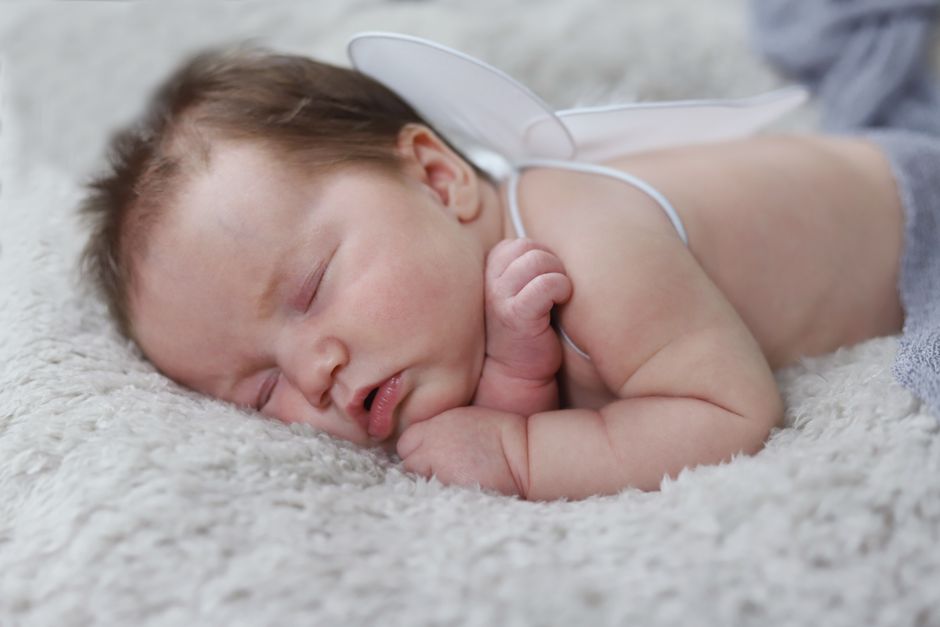
Dreaming about babies is one of the most common themes in human sleep, and it rarely means you are literally pregnant or about to become a parent. In most cases, recurring baby dreams reflect what is happening in your waking emotional life — a desire for care, a new responsibility, a fresh start, or a fear of losing control. Your sleeping brain borrows the image of a baby because it is one of the most powerful symbols it has for something fragile, new, and needing attention.
Why Do I Keep Dreaming About Babies Meaning?
Recurring baby dreams usually point to a change, a need, or an emotion that your mind has not fully processed while you are awake. The baby is a symbol, not a prediction.
Dream researchers generally agree that dreams draw on recent memories, unresolved feelings, and long-standing concerns. The brain does not invent symbols from nothing. It pulls from what matters to you. A baby is a near-universal image for newness and vulnerability, so it shows up when your mind is working through something that feels new or fragile.
Two things are often true at once in these dreams. Something in your life is beginning — a project, a relationship change, a move, a health concern. And something feels like it needs protection or care. The baby in the dream can stand in for either one, or both.
What the dream does not do is predict the future. There is no scientific evidence that dreams forecast events. Treating a baby dream as a sign that pregnancy is coming is a common belief, not a finding. The dream is reflecting your inner state, not announcing an outcome.
What Does a Baby Symbolize in a Dream?
A baby in a dream most often represents something new, something dependent, or something you feel responsible for. The exact meaning depends on how the dream felt.
Common interpretations that show up again and again in dream research and clinical practice include:
- New beginnings. A new job, a move, a relationship, or a change in identity can surface as a baby.
- Responsibility. The baby reflects a duty you are carrying, sometimes one you did not choose.
- Vulnerability. A part of you feels exposed, unsteady, or in need of care.
- Creativity. A project or idea you are nurturing can take the shape of an infant.
- Loss or longing. A baby can appear after a miscarriage, a fertility struggle, or the death of someone close.
The emotion in the dream matters more than the object. A calm, happy baby dream tends to track with hope or anticipation. A distressing one tends to track with anxiety, pressure, or grief.
Does Dreaming About Babies Mean You Are Pregnant?
No. Dreaming about a baby is not a sign of pregnancy, and it is not a reliable indicator of fertility status.
This is one of the most persistent myths about dreams. People who are trying to conceive often report more baby dreams, but that is best explained by what they are thinking about during the day, not by a hidden signal from the body. Dreams tend to reflect waking concerns, and pregnancy is a major concern for anyone hoping to conceive.
At the same time, people who are not trying to conceive and have no interest in pregnancy also dream about babies. The image is too common and too flexible to function as a pregnancy test. If you want to know whether you are pregnant, a home pregnancy test or a clinician’s evaluation is the way to find out. A dream cannot answer that question.





Why Do Baby Dreams Keep Coming Back?
Recurring dreams usually mean the underlying issue is still unresolved. When the same theme repeats, your mind is returning to something it has not finished working through.
Sleep scientists have found that dreams tend to replay emotionally charged material. If a concern stays active during the day, it is more likely to keep appearing at night. A baby dream that repeats week after week often points to a feeling that has not been addressed — worry about a decision, guilt about a responsibility, or a wish you have not voiced.
Stress and poor sleep can make this worse. When sleep is fragmented, people tend to remember more dreams, which can make a recurring theme feel even more frequent than it is. Improving sleep quality does not erase the dream’s message, but it can reduce how often you notice it.
Some recurring dreams fade on their own once the underlying situation resolves. Others continue until the person consciously thinks about what the dream might be pointing to.
What Do Different Baby Dreams Mean?
The specific scene in the dream often carries more information than the baby itself. How you felt and what happened matter most.
Here are patterns that come up often:
- A crying baby. Often linked to a need you feel you are not meeting — yours or someone else’s.
- Losing a baby. Frequently tied to fear of failure, loss of control, or anxiety about something you are trying to protect.
- Holding a calm baby. Tends to track with feelings of care, connection, or readiness.
- A baby you did not expect. Can reflect an unplanned responsibility or a surprise you are adjusting to.
- Forgetting or neglecting a baby. Often shows up during periods of overload, when too many demands are competing for your attention.
These are patterns, not rules. The same image can mean different things to different people, which is why the personal context matters more than any dream dictionary.
When Should You Pay Attention to a Recurring Baby Dream?
A recurring baby dream is worth attention when it comes with distress, disrupts your sleep, or points to something you have been avoiding. Ordinary baby dreams are not a medical concern.
Consider talking to a doctor or a mental health professional if:
- The dream causes strong anxiety, sadness, or fear that lingers during the day.
- It follows a miscarriage, stillbirth, or the loss of a child, and the grief feels stuck.
- It happens alongside insomnia, depression, or ongoing stress that affects daily life.
- It is connected to fertility treatment or family planning decisions that feel overwhelming.
Dreams themselves are not a diagnosis. But they can be a useful window into how you are doing emotionally. If a dream keeps returning and it bothers you, that is a reasonable thing to bring up with a professional. It is not a sign that something is wrong with you.
How Can You Respond to a Recurring Baby Dream?
You cannot control what you dream, but you can change how you respond to a dream that keeps returning. Most of the useful work happens while you are awake.
A few approaches that people find helpful:
- Write the dream down as soon as you wake up, while the details are fresh.
- Note what was happening in your life around the time the dreams started.
- Ask what the baby might represent — a new start, a burden, a loss, a hope.
- Talk it through with someone you trust, or with a therapist if it feels heavy.
- Address the underlying stress or decision the dream seems to point to.
There is no proven method to stop a specific dream on command. Some people report that writing dreams down and thinking about them reduces how often they return, but the evidence for dream-control techniques is limited. What is well established is that unresolved stress tends to fuel recurring dreams, so working on the source often helps more than trying to control the dream itself.
One thing worth knowing: dreams are not messages from the future, and they are not warnings of something bad to come. They are your brain processing your life. A baby dream is usually a sign that something in you is new, tender, or asking for care.
Frequently Asked Questions
Why do I keep dreaming about babies?
Recurring baby dreams usually reflect an unresolved emotion or a change in your waking life, such as a new responsibility, a fresh start, or a fear of loss. The baby is a symbol your mind uses for something new or fragile, not a prediction of the future.
Does dreaming about a baby mean I am pregnant?
No. Baby dreams are not a sign of pregnancy and cannot tell you whether you are pregnant. If you want to know, a home pregnancy test or a clinician’s evaluation is the only reliable way to find out.
What does it mean if I dream about losing a baby?
It often tracks with fear of failure, loss of control, or anxiety about something you are trying to protect. The dream tends to reflect a waking worry rather than an actual event.
Can recurring baby dreams be a sign of a health problem?
Not on their own. Dreams are not a diagnosis, but recurring distressing dreams can happen alongside stress, grief, or poor sleep, and those are worth discussing with a doctor or mental health professional.
