
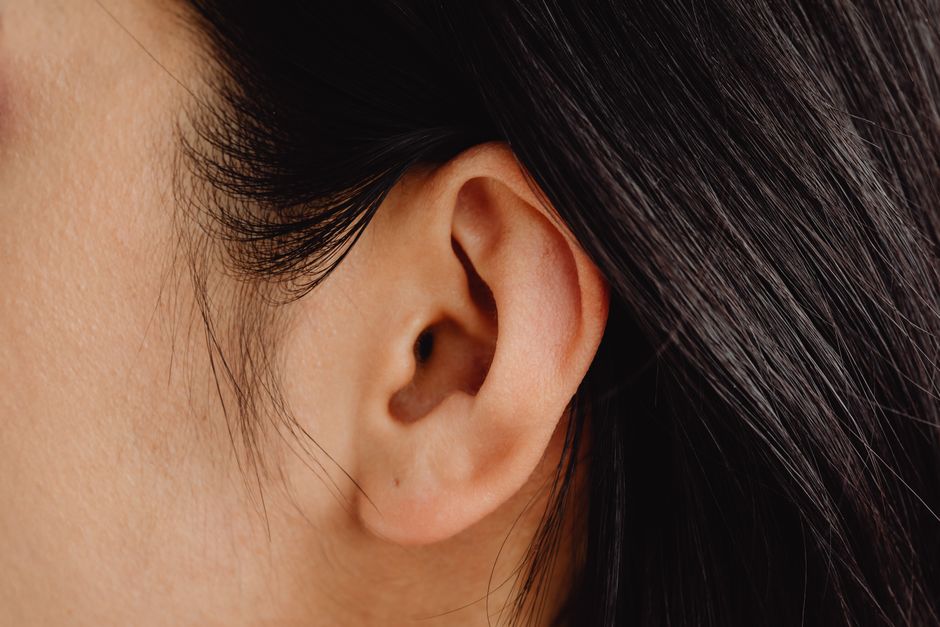
That sudden clarity when you pop your ears happens because you have just equalized air pressure between your middle ear and the outside world. Your eardrum can move freely again, sound waves travel normally, and your hearing snaps back to normal. It is a simple mechanical fix for a pressure imbalance, and it works almost instantly.
What Exactly Happens Inside Your Ear When You Pop It?
Your ear has three main parts. The outer ear collects sound. The middle ear turns sound waves into vibrations. The inner ear sends those vibrations to your brain.
The middle ear is a sealed air-filled space. It connects to the back of your throat through a small tube called the Eustachian tube. This tube stays closed most of the time. It opens briefly when you yawn, swallow, or chew.
When the air pressure outside your ear changes faster than the pressure inside your middle ear, your eardrum gets pushed inward or pulled outward. That stretching makes it harder for your eardrum to vibrate. Sound feels muffled. You may also feel fullness or pain.
Popping your ears forces the Eustachian tube open. Air moves in or out of the middle ear until the pressure matches the outside. Your eardrum returns to its normal relaxed position. Hearing clears up immediately.
Why Do I Hear Better When I Pop My Ears? The Simple Physics
Sound travels as vibrations. Your eardrum is a thin membrane designed to vibrate freely when hit by sound waves. When pressure pushes your eardrum out of its neutral position, it becomes stiff. A stiff eardrum does not vibrate as easily. You hear less volume and less detail.
Think of a drum. A loose drumhead makes a deep full sound. A tight drumhead makes a higher thinner sound. Your eardrum works the same way. Popping your ears lets it return to the right tension for normal hearing.
Research published in Otology & Neurotology has shown that even small pressure differences across the eardrum can reduce hearing sensitivity by 10 to 15 decibels. That is the difference between normal conversation and someone whispering. Popping your ears removes that pressure gap and restores full hearing.
What Causes the Pressure Imbalance in the First Place?
Several everyday situations create the pressure difference that makes you want to pop your ears.
- Airplane travel — Cabin pressure changes quickly during takeoff and landing. Your middle ear cannot adjust fast enough on its own.
- Driving through mountains — Rapid elevation changes do the same thing as flying. Your ears may need to pop every few hundred feet of elevation gain.
- Elevators in tall buildings — Fast elevator rides in skyscrapers can create a noticeable pressure shift.
- Scuba diving — Water pressure increases by one atmosphere every 33 feet. Divers must equalize constantly to avoid ear injury.
- Allergies and colds — Swollen nasal tissue can block the Eustachian tube opening. Your ears may feel clogged even without pressure changes.
- Ear infections — Fluid buildup behind the eardrum creates pressure that cannot be equalized by popping.
The American Academy of Otolaryngology states that most healthy adults experience blocked Eustachian tubes during upper respiratory infections. Children experience it more often because their Eustachian tubes are shorter and more horizontal.




How to Pop Your Ears Safely — Methods That Work
Not all ear popping methods are created equal. Some work better than others. Some can cause harm if done wrong.
The Valsalva maneuver is the most common method. Pinch your nostrils shut. Close your mouth. Gently blow out through your nose as if blowing your nose. You should feel or hear a pop. The American Academy of Family Physicians warns to blow gently. Too much force can rupture your eardrum.
The Toynbee maneuver is safer. Pinch your nostrils shut and swallow. Swallowing opens the Eustachian tube naturally. This method puts less pressure on your eardrum.
The Lowry technique combines both. Pinch your nose, close your mouth, and blow gently while swallowing at the same time. Some people find this more effective than either method alone.
Yawning and chewing gum are the gentlest methods. They activate the muscles that open the Eustachian tube without forcing air. These methods work well for mild pressure from flying or mild congestion.
| Method | How It Works | Risk Level |
|---|---|---|
| Valsalva maneuver | Forced air opens Eustachian tube | Moderate — can damage eardrum if too forceful |
| Toynbee maneuver | Swallowing opens tube naturally | Low — safest method |
| Lowry technique | Combines blowing and swallowing | Moderate — use gentle pressure |
| Yawning or chewing gum | Muscle movement opens tube | Very low — no pressure on eardrum |
When Popping Your Ears Does Not Help — And What That Means
Sometimes popping your ears does not fix the muffled hearing. That usually means the problem is not a simple pressure imbalance.
Earwax buildup is one common cause. Wax can block the ear canal completely. Popping your ears changes nothing because the blockage is in the outer ear, not the middle ear. A doctor can remove the wax and hearing returns immediately.
Fluid behind the eardrum is another cause. This often happens after a cold or ear infection. The fluid is thick and does not drain easily. Popping the ears may give temporary relief, but the fluid stays and hearing remains muffled. Some cases clear on their own within weeks. Others need a minor procedure to drain the fluid.
Sensorineural hearing loss is different entirely. This is damage to the inner ear or the nerve that connects to the brain. Popping your ears has no effect. This type of hearing loss is usually permanent. The National Institute on Deafness and Other Communication Disorders reports that about 15 percent of American adults have some degree of hearing loss, most commonly from noise exposure or aging.
If your hearing does not improve after popping your ears, or if it gets worse, see an ear specialist. Do not assume it is just pressure.
Common Misconceptions About Popping Your Ears
A few widespread beliefs about ear popping are not supported by evidence.
Popping your ears too often is dangerous. This is not usually true for healthy ears. The Eustachian tube is designed to open and close. Popping it dozens of times a day from flying or altitude change is normal and safe. What matters is how you pop them. Forceful Valsalva maneuvers repeated many times can strain the eardrum. Gentle methods are fine even with frequent use.
You can permanently damage your hearing by popping your ears. This is widely claimed, but strong evidence is limited. The real risk comes from doing it too hard and rupturing the eardrum. A ruptured eardrum usually heals on its own within weeks. Permanent hearing loss from a single pop is extremely rare. The bigger risk is from chronic ear infections or untreated fluid buildup, not from popping itself.
Popping your ears cures ear infections. It does not. Ear infections involve inflammation and fluid that is infected. Popping opens the tube temporarily but does not treat the infection. You need antibiotics or time for the infection to clear. Popping may even push infected fluid deeper into the middle ear.
Everyone can pop their ears equally well. Some people have naturally narrow or collapsible Eustachian tubes. They may never feel a satisfying pop no matter what they try. This is not a sign of a problem. It just means their anatomy makes equalization harder.
What to Avoid When Your Ears Feel Clogged
Some home remedies for clogged ears do more harm than good.
Do not use cotton swabs deep in your ear canal. They push wax deeper and can impact it against the eardrum. The American Academy of Otolaryngology advises against putting anything smaller than your elbow in your ear. This includes cotton swabs, bobby pins, and ear candles.
Do not use ear candles. There is no clinical evidence that ear candles remove wax or equalize pressure. The FDA has warned against them. They can cause burns, ear canal blockages, and even punctured eardrums.
Do not use decongestant sprays for more than three days. Over-the-counter nasal sprays like oxymetazoline can shrink swollen tissue around the Eustachian tube opening. This helps some people pop their ears more easily. But using them longer than three days causes rebound congestion that makes the problem worse.
Do not ignore pain. If popping your ears hurts, stop. Pain can mean you have an ear infection, a ruptured eardrum, or another issue. Forcing the pop can make it worse. See a doctor instead.
Frequently Asked Questions
Why do I hear better when I pop my ears?
Popping your ears equalizes air pressure between your middle ear and the outside world. Your eardrum returns to its normal position and can vibrate freely again.
Is it bad to pop your ears every day?
No, not if you do it gently. The Eustachian tube is designed to open and close many times a day. Forceful popping is what causes risk.
Can popping your ears damage your hearing?
Permanent hearing loss from popping your ears is extremely rare. The bigger risk is a ruptured eardrum from blowing too hard, which usually heals on its own.
What if my ears won’t pop and I still can’t hear well?
That likely means the problem is not pressure. Earwax buildup, fluid behind the eardrum, or hearing loss from noise or aging could be the cause. See a doctor.
