
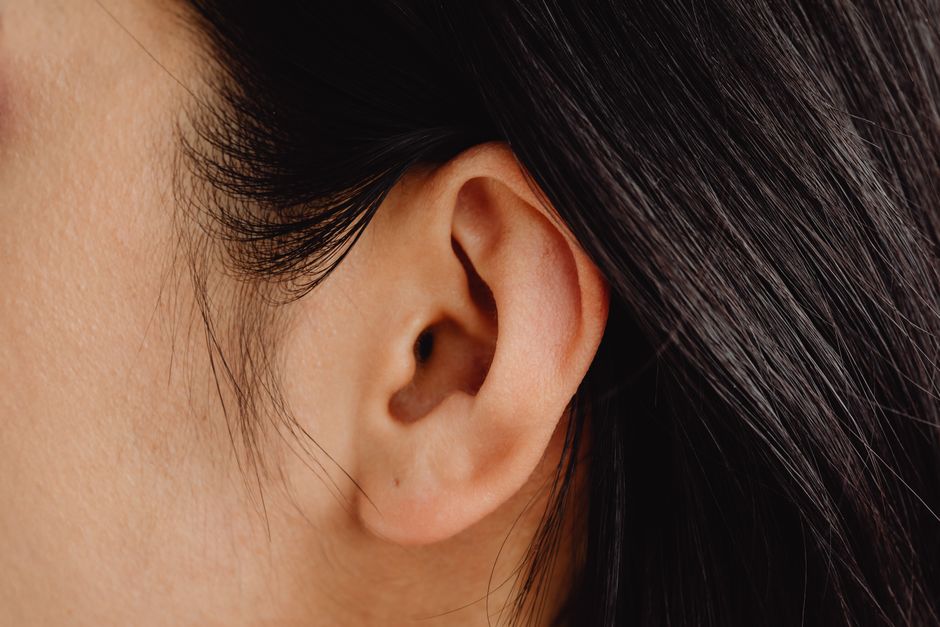
A tapping sound in your ear that you can hear but no one else can is usually a form of tinnitus. This phantom noise is often linked to tiny muscles inside the ear twitching, blood flowing through nearby vessels, or changes in the middle ear. While it can be annoying, it is rarely a sign of a serious problem, though persistent tapping warrants a medical check.
What Causes a Tapping Sound in Your Ear?
A tapping, pulsing, or thumping sound in the ear falls into two main categories. The first is called pulsatile tinnitus. This is a rhythmic sound that matches your heartbeat. The second is muscular tinnitus, which sounds like a rapid flutter or a repetitive tap that does not match your pulse.
Pulsatile tinnitus happens when blood flow in the vessels near your ear becomes turbulent. Your ear sits close to major arteries and veins in your neck and head. When blood moves faster or presses harder against the vessel walls, you can hear it as a thumping or tapping sound.
Muscular tinnitus comes from small muscles in the middle ear. The tensor tympani and stapedius muscles normally protect your ear from loud sounds. When these muscles contract on their own, they produce a tapping or clicking noise that only you can hear.
Why Do I Hear A Tapping Sound In My Ear When I Lie Down?
Position changes can make a tapping sound more noticeable. When you lie down, blood flow to your head increases. This raises pressure in the veins and arteries near your ear, which can amplify the sound of blood moving through them.
Your neck position also matters. Turning your head or lying on a particular side can compress a blood vessel. This narrowing changes blood flow patterns and can create a tapping or whooshing sound that disappears when you shift position.
Another factor is simple awareness. Background noise drops at night. Your brain has less external sound to mask internal noises, so a subtle tapping sound becomes much more obvious when you are trying to sleep.
Common Conditions Linked to Ear Tapping Sounds
Several medical conditions can produce a tapping sensation in the ear. High blood pressure is one of the most common. Elevated pressure makes blood flow more forceful, and the vessels near your ear transmit that force as sound.
Other conditions include:
- Eustachian tube dysfunction — the tube that drains fluid from your middle ear stays closed or opens abnormally, changing pressure and creating clicking or tapping sounds
- Temporomandibular joint (TMJ) disorders — jaw joint issues can cause muscles near the ear to spasm
- Anemia — thinner blood flows faster, which can produce a pulsing sound
- Thyroid conditions — increased metabolic activity can speed up blood flow
- Atherosclerosis — narrowed arteries create turbulent blood flow that your ear can detect
Muscle spasms in the palate, called palatal myoclonus, can also cause a clicking or tapping sound. This condition involves the muscles at the roof of the mouth contracting rhythmically. Some people hear these contractions as a rapid tapping in their ear.





When Should You See a Doctor About Ear Tapping?
A tapping sound that comes and goes with no other symptoms is generally not an emergency. But you should seek medical evaluation if the sound persists for more than a week or two.
Seek prompt medical attention if the tapping sound appears alongside any of these symptoms:
- Dizziness or vertigo
- Sudden hearing loss
- Pain in the ear or head
- Ringing that only affects one ear
- Throbbing that matches your heartbeat and will not stop
A doctor can check your blood pressure, examine your ear canal and eardrum, and listen to the vessels in your neck. In some cases, imaging tests like an MRI or CT scan help rule out vascular abnormalities. These tests are not needed for everyone, but they are important when the sound is persistent or one-sided.
Can Earwax or an Object Cause a Tapping Sound?
Earwax itself does not normally create a tapping sound. However, a large piece of earwax resting against the eardrum can transmit vibrations more efficiently. You may become more aware of internal sounds like your pulse or muscle twitches.
An object lodged in the ear canal can produce a similar effect. Even a small piece of debris touching the eardrum can create a sensation of movement or tapping as you walk or chew. This is more common in children but can happen at any age.
If you suspect earwax buildup, do not use cotton swabs. Swabs push wax deeper into the canal and can damage the eardrum. Over-the-counter ear drops or a visit to a healthcare provider for professional removal are safer options.
Does Stress or Anxiety Make Ear Tapping Worse?
Stress and anxiety do not cause the underlying physical issue, but they can make the sound more noticeable and more distressing. When you are stressed, your body produces adrenaline. This hormone increases heart rate and blood pressure, which can intensify pulsatile tinnitus.
Stress also heightens your awareness of bodily sensations. A tapping sound that you could ignore during a calm day becomes impossible to ignore when you are anxious. This creates a cycle — the sound causes anxiety, and the anxiety makes the sound feel louder.
Managing stress through exercise, adequate sleep, or relaxation techniques will not cure the underlying cause. But it can reduce how much the sound bothers you. For many people, the distress caused by tinnitus is more treatable than the sound itself.
What Treatments Are Available for Tapping Sounds in the Ear?
Treatment depends entirely on the underlying cause. If high blood pressure is responsible, controlling blood pressure often reduces or eliminates the sound. If a thyroid condition is driving the problem, treating that condition may resolve the tapping.
For muscular causes, some doctors recommend muscle relaxants or medications that reduce nerve excitability. Evidence for these treatments is limited, and results vary widely between individuals. No medication is specifically approved for this type of tinnitus.
Sound therapy is a common approach. Playing white noise, nature sounds, or soft music at a low volume can mask the tapping sound. This does not stop the sound from happening, but it makes it less noticeable. Many people find this helpful, particularly at night when the sound is most bothersome.
Cognitive behavioral therapy (CBT) has the strongest evidence for improving quality of life in people with tinnitus. CBT does not reduce the sound itself. It helps you change your emotional response to the sound so it causes less distress. Research consistently shows that people who complete CBT report significant improvements in how much tinnitus interferes with daily life.
Can Diet or Supplements Stop the Tapping?
No supplement has been proven to stop a tapping sound in the ear. Some products marketed for tinnitus contain ginkgo biloba, zinc, or B vitamins. Large clinical trials have not confirmed that any of these reliably reduce tinnitus symptoms.
Some people report that caffeine, alcohol, or salty foods make their tinnitus worse. These substances can affect blood pressure and circulation, which may influence pulsatile tinnitus. If you notice a pattern between what you eat or drink and the intensity of the sound, adjusting your intake is reasonable.
Reducing salt can help if high blood pressure is contributing to your symptoms. A heart-healthy diet with plenty of vegetables, whole grains, and lean protein supports healthy circulation. This is good general advice, but it is not a targeted cure for ear tapping.
Can Ear Tapping Sounds Go Away on Their Own?
Yes, many cases resolve without treatment. Temporary tapping sounds linked to stress, fatigue, or a brief blood pressure spike often disappear once the trigger passes. Sounds caused by a temporary muscle spasm may also stop on their own within days or weeks.
Chronic cases behave differently. If the sound has been present for months, it is less likely to disappear completely. The brain often adapts to persistent internal sounds over time. This process, called habituation, means you notice the sound less even though it is still there.
Habituation is why many long-term tinnitus sufferers report that the sound bothers them much less after a year or two, even when the sound itself has not changed. The brain learns to filter out the constant noise, similar to how you stop noticing the hum of a refrigerator.
Frequently Asked Questions
Is a tapping sound in my ear a sign of a serious condition?
Most tapping sounds in the ear are benign and not linked to serious illness. However, persistent or one-sided tapping should be evaluated by a doctor to rule out vascular or structural issues.
Why do I hear a tapping sound in my ear only at night?
Nighttime is quieter, so internal sounds become more noticeable with less background noise to mask them. Lying down also increases blood flow to the head, which can amplify pulsing sounds.
Can high blood pressure cause a tapping sound in my ear?
Yes, high blood pressure is a common cause of pulsatile tinnitus. The increased force of blood flow through vessels near the ear creates a tapping or thumping sound that matches your heartbeat.
How do doctors test for the cause of ear tapping sounds?
A doctor will examine your ears, check your blood pressure, and listen to blood vessels in your neck. If needed, imaging tests like MRI or CT scans help identify vascular abnormalities or structural issues.
