
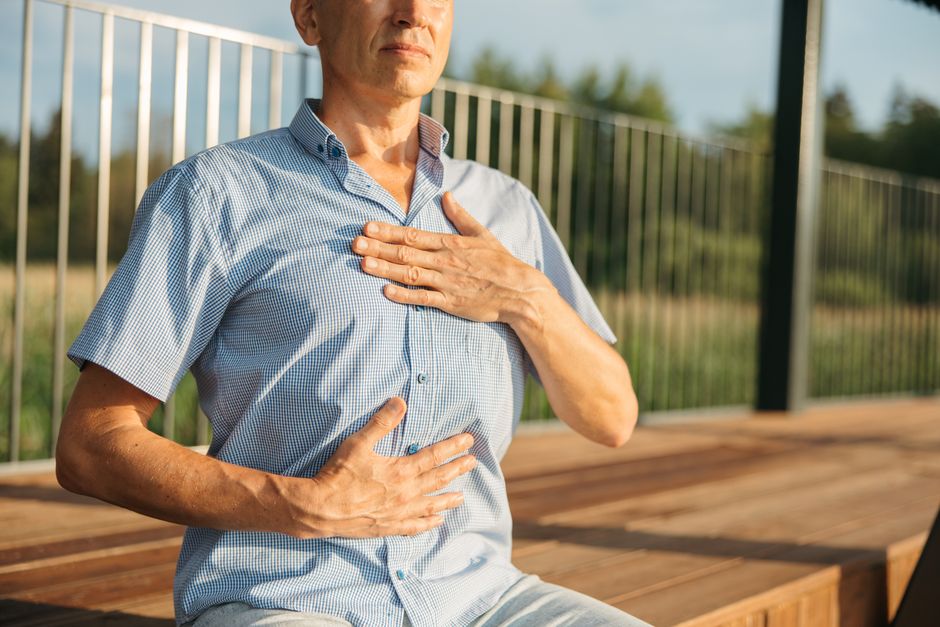
Feeling short of breath after quitting smoking can be alarming, especially when you expected to feel better. The explanation is usually straightforward: your lungs are clearing out years of smoke and mucus, and your airways are adjusting to life without constant irritation. This is often a sign of healing in progress, not a sign that something has gone wrong.
Most people notice this breathing change in the first few weeks after their last cigarette. It tends to ease as the lungs settle into a new rhythm. Knowing what is happening inside your body can make the experience far less worrying.
Why Do I Have Shortness Of Breath After Quitting Smoking?
Your airways are recovering from a constant assault, and that recovery process itself can feel like breathlessness. When you smoke, the tiny hair-like structures lining your airways (called cilia) are paralyzed and gradually destroyed. These cilia normally sweep mucus and debris up and out of your lungs. Once you stop smoking, they begin to regrow and start working again.
That return to function triggers a wave of mucus clearance. Your body is finally able to move out the built-up tar and phlegm that had been sitting in your airways. You may cough more and feel chest tightness or shortness of breath during this phase. It is a sign of repair, not decline.
There is a second factor at work. Smoking keeps your airways slightly dilated and reduces the normal sensitivity of your breathing reflexes. When you quit, your airways return to their natural resting state, which can feel tighter or more reactive for a while. Some people also develop a temporary increase in airway inflammation as the immune system resets.
Nicotine withdrawal plays a role too. Nicotine affects the nervous system and heart rate. As your body adjusts to its absence, you may feel anxious, restless, and more aware of your breathing. Anxiety alone can make you feel short of breath even when your oxygen levels are normal.
How Long Does Shortness Of Breath Last After Quitting Smoking?
For most people, the most noticeable breathing changes occur in the first two to four weeks. Symptoms often peak around the second or third week, when mucus clearance is most active and your airways are most reactive. After that, the intensity usually fades.
The timeline varies a lot from person to person. Someone who smoked for decades may have a longer adjustment period than someone who smoked for a few years. People with existing lung conditions such as COPD often have a more complicated course.
Many people report feeling clearer and breathing more easily within one to three months. Lung function itself begins to improve within weeks of quitting, and continues to improve gradually over months and years. The breathlessness you feel early on is not a sign that your lungs are getting worse. It is part of the transition.
Some people experience intermittent breathlessness for several months. If it is mild and improving over time, that pattern is generally expected. If it is getting worse, or if it comes with other symptoms, that warrants a medical check.
Is It Normal To Feel Worse Before You Feel Better?
Yes, it is common to feel worse in the short term. The mucus clearance phase, the return of airway sensitivity, and the psychological stress of withdrawal all combine to make the first few weeks uncomfortable for many people.
This pattern surprises people because quitting is framed as an immediate improvement. In reality, the body has to clean up damage that accumulated over years. That cleanup has symptoms. Increased coughing, chest tightness, and breathlessness are part of the process for many former smokers.
There is an important distinction to make. Feeling worse in a way that gradually improves is expected. Feeling worse in a way that steadily worsens, or that includes new symptoms like coughing up blood, chest pain, or fever, is not part of the normal adjustment and should be checked by a doctor.
What Symptoms Are Normal And What Should Worry You?
Normal adjustment symptoms tend to be temporary and improve over weeks. They include a productive cough, mild chest tightness, occasional breathlessness with exertion, and feeling more aware of your breathing. These usually ease as the weeks pass.
Some symptoms are not part of the normal quitting process and need medical attention. Seek care promptly if you notice any of the following:
- Coughing up blood
- Chest pain or pressure, especially with exertion
- Breathlessness that is severe, sudden, or getting worse over time
- Fever or signs of infection
- Wheezing that is new or worsening
- Swelling in your legs or ankles
- Breathlessness that wakes you from sleep
These can point to conditions that need diagnosis and treatment, and they are not explained by quitting smoking alone. When in doubt, get checked. It is always reasonable to ask a doctor whether your symptoms fit the expected pattern.
What Helps Ease Breathlessness During This Transition?
Staying active helps your lungs clear mucus and maintain capacity. Gentle exercise like walking encourages deeper breathing and supports mucus clearance. Start where you are comfortable and build gradually.
Staying well hydrated thins mucus, making it easier to clear. Drinking water throughout the day is a simple step that supports the process. Some people find steam from a warm shower or a bowl of hot water helps loosen chest congestion.
Breathing exercises can reduce the feeling of breathlessness. Slow, controlled breathing through the nose and out through the mouth can calm the nervous system and reduce the anxiety that often accompanies early quitting. Pursed-lip breathing, where you breathe in through the nose and out slowly through pursed lips, is a technique some clinicians teach to people with breathlessness.
Avoiding irritants matters too. Secondhand smoke, strong fumes, and air pollution can make recovering airways more reactive. Keeping your environment clean and smoke-free supports healing.
If breathlessness is affecting your daily life, talk to your doctor. They can assess your lung function and rule out other causes. Some people benefit from pulmonary rehabilitation or breathing retraining, though access and suitability vary.
Does Quitting Smoking Actually Improve Your Lungs?
Yes. The evidence on this is strong and consistent. Quitting smoking improves lung function and slows the decline that smoking causes. Research has found that lung function decline in former smokers moves closer to that of people who never smoked over time.
The cilia regrow and resume their cleaning role. Airway inflammation decreases. The risk of lung cancer, heart disease, and COPD all fall after quitting, though the degree and speed of risk reduction varies by condition and by how long and how heavily a person smoked.
One clarification worth making: quitting does not reverse all existing damage. Some changes to lung tissue are permanent, particularly in people who have developed COPD. But quitting stops ongoing damage and allows the lungs to function as well as they can. For most people, that means meaningful improvement in breathing over time.
The breathlessness you feel now is not the final state. It is a phase. The lungs are doing repair work, and that work has a cost in temporary discomfort.
When Should You See A Doctor About Breathlessness?
See a doctor if your breathlessness is severe, sudden, or steadily worsening rather than improving. Also seek care if it comes with chest pain, coughing up blood, fever, or swelling in the legs.
It is also reasonable to book a check-up if you are simply unsure whether what you are feeling is normal. A doctor can listen to your lungs, check your oxygen levels, and order tests if needed. There is no downside to getting reassurance or catching a problem early.
People with a history of asthma, COPD, or heart conditions should be particularly attentive to breathing changes after quitting. Their adjustment may be more complex and may need medical guidance.
Frequently Asked Questions
Is shortness of breath after quitting smoking a good sign?
Often yes, because it usually reflects mucus clearance and airway recovery. However, severe or worsening breathlessness should be checked by a doctor.
How long does breathlessness last after quitting smoking?
Most people notice the strongest changes in the first two to four weeks, with gradual improvement over one to three months. Some intermittent breathlessness can last longer.
Can quitting smoking make your lungs worse at first?
Your lungs are not getting worse, but the cleanup process can make you feel worse temporarily. Symptoms that steadily worsen are not part of normal adjustment and need medical attention.
What helps with breathlessness after quitting smoking?
Gentle exercise, staying hydrated, breathing exercises, and avoiding irritants can help ease symptoms. If breathlessness affects daily life, talk to your doctor about assessment.
