
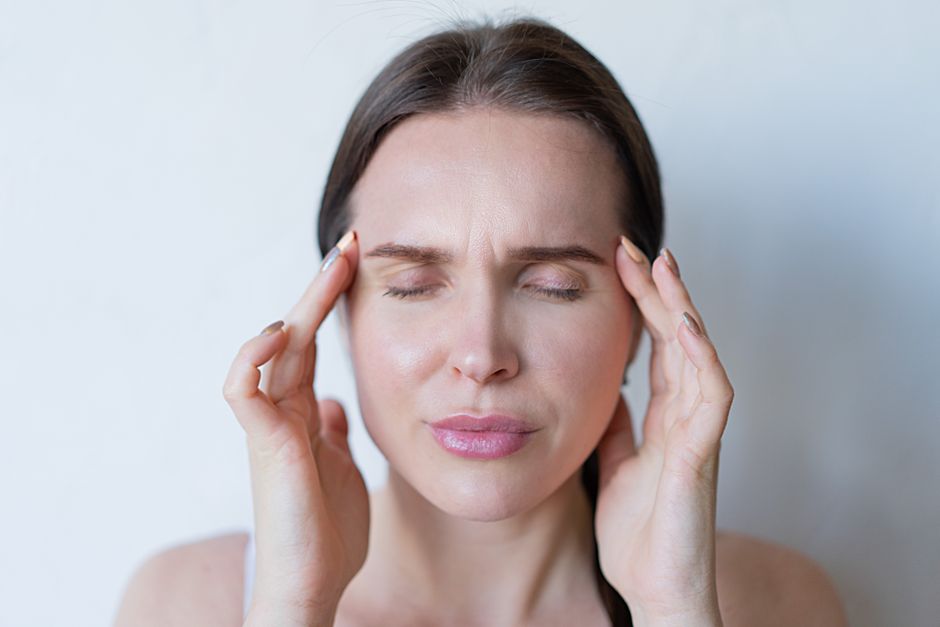
Pain on the top of your head can come from several different sources, and figuring out which one you’re dealing with is the first step toward relief. The most common causes are tension-type headaches, which produce a dull, pressing ache across the scalp and often the crown. Less common but important possibilities include migraine, medication overuse headache, and nerve irritation in the scalp itself. Most cases are not dangerous, but a few warning signs mean you should seek medical care right away.
Why Do I Have Pain On The Top Of My Head?
The top of the head is a common location for tension-type headache, the most frequent headache disorder worldwide. When muscles in the scalp, neck, and jaw stay contracted for long periods, they produce a steady, band-like pressure that many people feel right at the crown.
The scalp has a rich nerve supply. The greater occipital nerve and the supraorbital nerve both send branches across the top of the head. When these nerves are irritated or compressed, pain can show up specifically on the crown rather than the forehead or back of the head.
Location alone usually does not identify the cause. Two people with pain in the exact same spot can have entirely different underlying problems. That is why doctors ask about quality, timing, triggers, and associated symptoms rather than just where it hurts.
What Causes Tension-Type Headache at the Crown?
Tension-type headache is the leading explanation for a dull, squeezing pain on top of the head. It typically affects both sides and feels like a tight band or a heavy weight pressing down.
The pain is usually mild to moderate. It does not typically worsen with routine physical activity, and it rarely causes nausea or vomiting. Those features help distinguish it from migraine.
Common triggers include:
- Prolonged neck or shoulder muscle tension
- Stress and anxiety
- Poor posture, especially during long hours at a desk or looking down at a phone
- Disrupted sleep
- Eye strain
- Skipping meals or dehydration
These headaches can be episodic, meaning they happen occasionally, or chronic, meaning they occur on many days per month. Chronic tension-type headache is defined in clinical guidelines as occurring on 15 or more days per month for at least three months. That is a diagnostic threshold, not a casual estimate.
Could It Be a Migraine Instead?
Migraine can absolutely cause pain on the top of the head, even though many people associate it with one-sided pain behind the eye. Migraine pain is often throbbing, moderate to severe, and made worse by movement or normal activity.
What sets migraine apart is the company it keeps. Nausea, sensitivity to light, and sensitivity to sound are hallmark features. Some people get visual disturbances called aura before the pain begins. Others do not.
Research consistently shows that migraine is a neurological condition, not simply a bad headache. It involves changes in brain activity and the trigeminal nerve system. Treating it as “just a headache” often leads to undertreatment.
If your pain on top of the head comes with nausea, light sensitivity, or a pulsating quality, migraine deserves serious consideration. A doctor can help sort this out.





When Is Pain on Top of the Head a Red Flag?
Most head pain is not a sign of something dangerous. But certain patterns require urgent medical attention, and this is where being conservative matters.
Seek emergency care if the pain:
- Comes on suddenly and severely, often described as the worst headache of your life
- Follows a head injury
- Comes with fever, stiff neck, confusion, or a rash
- Includes weakness, numbness, trouble speaking, or vision loss
- Worsens steadily over hours or days
- Starts after age 50 for the first time
These signs can point to bleeding in the brain, infection such as meningitis, or other serious conditions. I want to be clear: these are uncommon, but they are the reasons doctors take certain headaches seriously. Do not wait to get checked if any of these apply.
A sudden, severe headache that peaks within seconds to a minute is sometimes called a thunderclap headache. It is a well-established warning sign and needs immediate evaluation.
Can Medication Cause Pain on Top of the Head?
Yes, and this is one of the most overlooked causes. Taking pain relievers for headaches more often than a few days per week can actually create more headaches. This is called medication overuse headache.
The cycle works like this. You take a painkiller, the headache fades, then it returns as the medication wears off. You take more. Over time, the brain adapts to the presence of the drug, and the headaches become more frequent.
Medication overuse headache can develop with common over-the-counter drugs including acetaminophen, ibuprofen, aspirin, and combination products that contain caffeine. It can also develop with prescription migraine drugs.
The tricky part is that the treatment is to stop the offending medication, which often makes headaches worse before they get better. This should be done with a doctor’s guidance, not alone, especially if you take prescription medication or have other health conditions.
What About Nerve Pain in the Scalp?
Sometimes the pain is not a headache at all. It comes from the nerves in the scalp itself. This is called occipital neuralgia or, less commonly, supraorbital neuralgia.
Occipital neuralgia typically causes sharp, stabbing, or electric-shock-like pain that starts at the back of the head and can radiate over the top. The scalp may feel tender to the touch. Brushing your hair or lying on a pillow can trigger it.
This condition is different from tension-type headache, though the two can overlap. Doctors may diagnose it based on the character of the pain and a response to a nerve block, which is an injection of a local anesthetic near the nerve.
Some clinicians recommend physical therapy, heat, or medications for nerve pain. The evidence for each approach varies, and no single treatment works for everyone. If you suspect nerve involvement, a neurologist is the right person to evaluate it.
How Is Pain on Top of the Head Treated?
Treatment depends entirely on the cause. There is no single answer, and anyone who tells you otherwise is oversimplifying.
For occasional tension-type headache, over-the-counter pain relievers can help. But they should be used sparingly, generally no more than a couple of days per week, to avoid medication overuse headache. That guidance comes from established headache management principles.
For migraine, treatment may include prescription medications for acute attacks and, for some people, preventive drugs taken daily to reduce frequency. The choice depends on how often attacks occur, how disabling they are, and other health factors.
For nerve-related pain, options include nerve blocks, physical therapy, and certain medications. Response varies widely.
Non-drug approaches have a role too. Regular sleep, hydration, stress management, and attention to posture can reduce tension-type headaches for many people. The evidence for these is strongest for tension-type headache and less clear for other types.
When Should You See a Doctor?
See a doctor if your headaches are frequent, getting worse, or interfering with daily life. Also see one if the pattern changes, if you need pain relievers more than a couple of days per week, or if you are unsure what is causing the pain.
You do not need to have a red-flag symptom to justify an appointment. Frequent head pain is a legitimate reason to get evaluated. A primary care doctor can often start the process, and a neurologist can help if the diagnosis is unclear or treatment is not working.
Can You Prevent Pain on Top of the Head?
You cannot prevent every headache, but you can reduce some triggers. The strongest evidence is for lifestyle factors that affect tension-type headache and migraine.
- Keep a consistent sleep schedule
- Stay hydrated throughout the day
- Eat regular meals
- Manage stress with techniques that work for you
- Take breaks from screens and adjust your workstation
- Limit pain relievers to avoid rebound headaches
Keeping a headache diary can help you and your doctor spot patterns. Note when the pain happens, how long it lasts, what you ate, how you slept, and what you were doing beforehand. Over a few weeks, patterns often emerge.
I want to be honest about one thing. No lifestyle change works for everyone, and none of these are guaranteed to stop headaches. They reduce triggers for some people. That is a real but limited benefit, not a cure.
Frequently Asked Questions
Why do I have pain on the top of my head?
The most common cause is tension-type headache, which produces a dull, pressing ache across the scalp and crown. Other possibilities include migraine, medication overuse headache, and nerve irritation in the scalp.
Is pain on the top of the head a sign of something serious?
Usually not, but a sudden severe headache, one after a head injury, or one with fever, confusion, weakness, or vision changes needs emergency care. Those signs can indicate bleeding or infection in the brain.
Can migraines cause pain on the top of the head?
Yes, migraine pain can appear on the top of the head, not just behind the eye. It is often throbbing and comes with nausea or sensitivity to light and sound.
Can taking too many pain relievers cause head pain?
Yes, medication overuse headache is a well-established condition caused by taking pain relievers too often. It typically improves when the medication is stopped under a doctor’s guidance.
