
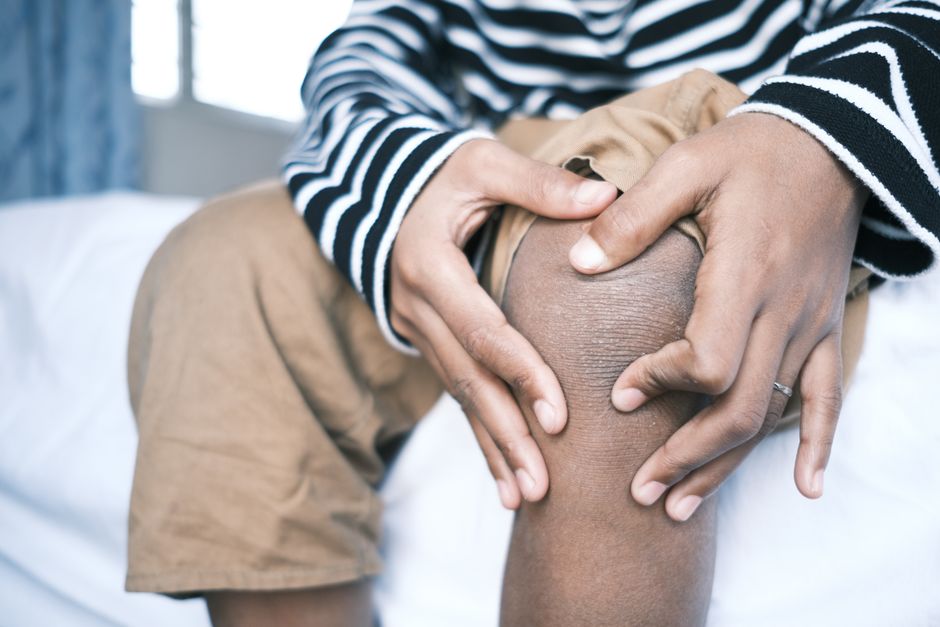
Knee pain when climbing stairs is one of the most common complaints in orthopedic clinics. The pain usually comes from the kneecap rubbing against the thigh bone, a condition called patellofemoral pain syndrome. This happens because climbing stairs puts roughly three to four times your body weight through the knee joint, and the kneecap is the structure that takes most of that load. The pain is not random damage; it is a predictable mechanical response to how your knee tracks during a demanding movement.
Why Do I Have Knee Pain When Climbing Stairs? The Reason
The kneecap, or patella, sits in a groove at the end of the thigh bone. When you climb stairs, the quadriceps muscle pulls on the kneecap to straighten the knee. If the muscles around the hip and thigh are weak or imbalanced, the kneecap can pull to one side instead of gliding smoothly up and down the groove. That abnormal tracking irritates the cartilage and the tissue under the kneecap, producing sharp pain on the front of the knee.
Going downstairs is usually worse than going up. When you descend, your knee bends further and your quadriceps work harder to control your body weight. That increased angle of bending compresses the kneecap against the thigh bone more forcefully. Many people can walk on flat ground without symptoms but feel a stabbing sensation on every single step down.
What Are the Most Common Causes of Stair Climbing Knee Pain?
Patellofemoral pain syndrome is the leading cause, but it is not the only one. Several distinct conditions produce stair-related knee pain, and each requires a different treatment approach.
Patellofemoral pain syndrome (runner’s knee) causes a dull ache behind or around the kneecap. It worsens with stairs, squatting, and sitting with the knee bent for long periods. The pain is mechanical, not inflammatory, which is why anti-inflammatory medications often provide little relief.
Patellar tendinitis causes pain at the bottom of the kneecap, where the tendon attaches to the shin bone. The pain is sharp and localized to a specific spot. It is common in people who do jumping sports or suddenly increase their activity level.
Osteoarthritis causes pain deeper inside the knee, often accompanied by stiffness in the morning. The pain may feel like grinding or catching, and the knee may swell after activity. Arthritis pain on stairs often comes from bone rubbing on bone as cartilage wears away.
Meniscus tears cause pain on the inner or outer side of the knee, not the front. A torn meniscus can also cause the knee to lock or feel like it is catching. Stairs aggravate the tear because twisting and bending compress the damaged cartilage between the bones.
How Is Stair Climbing Knee Pain Different From Other Knee Pain?
The movement itself is the clue. Stair climbing is a closed-chain exercise, meaning your foot stays planted while your body moves over it. This position loads the knee at a high bend angle, which specifically stresses the structures behind the kneecap and inside the joint space.
Pain on stairs that does not occur on flat ground points strongly to a mechanical tracking problem. Pain that occurs with every activity, including walking on level surfaces, suggests a more significant structural issue such as advanced arthritis or a meniscus tear. The pattern of your pain helps your clinician narrow down the diagnosis before any imaging is done.
Another distinguishing feature is the location of the pain. Front-of-knee pain under or around the kneecap is classic patellofemoral syndrome. Inner or outer joint line pain suggests meniscus or ligament involvement. Pain behind the knee is rarely related to stair climbing mechanics and deserves separate evaluation.



What Tests and Exams Are Used to Diagnose the Cause?
A physical exam is the first and most important step. Your clinician will watch you squat, lunge, and climb stairs. They will press on specific structures to find the exact spot of tenderness. They will also test the strength of your hip and thigh muscles, because weakness in these areas is a primary driver of kneecap tracking problems.
Imaging is not always necessary. Many cases of patellofemoral pain are diagnosed entirely on physical exam findings. X-rays are useful when arthritis is suspected or when the kneecap position looks abnormal. MRI is reserved for cases where a meniscus tear, cartilage damage, or ligament injury is suspected, or when conservative treatment fails to improve symptoms after several weeks.
What Are the Most Effective Treatments for Stair Climbing Knee Pain?
Treatment depends entirely on the underlying cause. For patellofemoral pain syndrome, the evidence strongly supports exercise therapy over rest. Strengthening the gluteal muscles and the inner quadriceps muscle changes how the kneecap tracks. A 2018 review of randomized trials published in the British Journal of Sports Medicine found that exercise therapy significantly reduced pain and improved function in people with patellofemoral pain.
Specific exercises include:
- Straight leg raises to strengthen the quadriceps without loading the joint
- Side-lying leg lifts to target the hip abductors
- Wall sits at a shallow angle to build quadriceps endurance
- Step-downs performed slowly to retrain knee control during descent
For patellar tendinitis, eccentric exercises are the standard approach. These involve lowering a weight slowly rather than lifting it. The slow lowering phase loads the tendon in a way that promotes tissue remodeling. Pain during these exercises should stay below a level of 3 out of 10; pushing through significant pain can worsen the condition.
For osteoarthritis, the treatment focus shifts to maintaining strength and managing load. Low-impact activities like cycling and swimming are better tolerated than stairs. Weight loss, if needed, reduces the force across the joint with every step. Anti-inflammatory medications and topical creams can help with flare-ups but do not change the underlying disease process.
For meniscus tears, small tears without locking often improve with physical therapy. Tears that cause the knee to lock or give way may require arthroscopic surgery. The decision to operate depends on the tear location, your age, and whether mechanical symptoms are present.
When Should I See a Doctor for Knee Pain on Stairs?
See a clinician if the pain lasts more than two weeks despite modifying your activity. Seek care sooner if the knee is swollen, warm, or red, or if you cannot bear weight on the leg. Immediate medical attention is needed if the knee locks, gives way, or if you heard a pop at the time of injury.
Sudden severe pain after a fall or twist warrants an urgent evaluation. So does pain that wakes you from sleep or pain accompanied by fever, which could indicate infection. These red flags are uncommon, but they require prompt assessment rather than waiting to see if symptoms improve.
Can I Prevent Knee Pain When Climbing Stairs?
Prevention focuses on the same principles as treatment: strength, load management, and movement quality. Strong hip and thigh muscles protect the kneecap by keeping it centered in its groove. Maintaining a healthy body weight reduces the force on the knee with every step.
Footwear matters more than most people realize. Shoes with worn-out soles or inadequate cushioning alter the forces transmitted through the knee. Replacing athletic shoes regularly and choosing supportive footwear for daily activities can reduce unnecessary stress on the joint.
If stairs are unavoidable, use the handrail to offload some of your body weight. Lead with the stronger leg when ascending and with the weaker leg when descending. This simple adjustment shifts the workload away from the painful joint while you work on the underlying strength deficits.
Frequently Asked Questions
Is it better to go up or down stairs with knee pain?
Going up is usually less painful than going down. Descending stairs requires more knee bend and more quadriceps control, which increases compression behind the kneecap.
Can knee pain from stairs go away without surgery?
Yes, most cases of stair-related knee pain improve with physical therapy and activity modification. Surgery is rarely the first-line treatment for patellofemoral pain syndrome or mild arthritis.
Does wearing a knee brace help with stair climbing pain?
A patellar sleeve or brace can provide temporary symptom relief for some people. The evidence for long-term benefit is limited, and bracing does not correct the underlying muscle weakness that causes the pain.
How long does it take to recover from knee pain when climbing stairs?
With consistent physical therapy, most people notice improvement within four to six weeks. Full recovery can take three months or longer, especially if the pain has been present for many months before treatment begins.
