
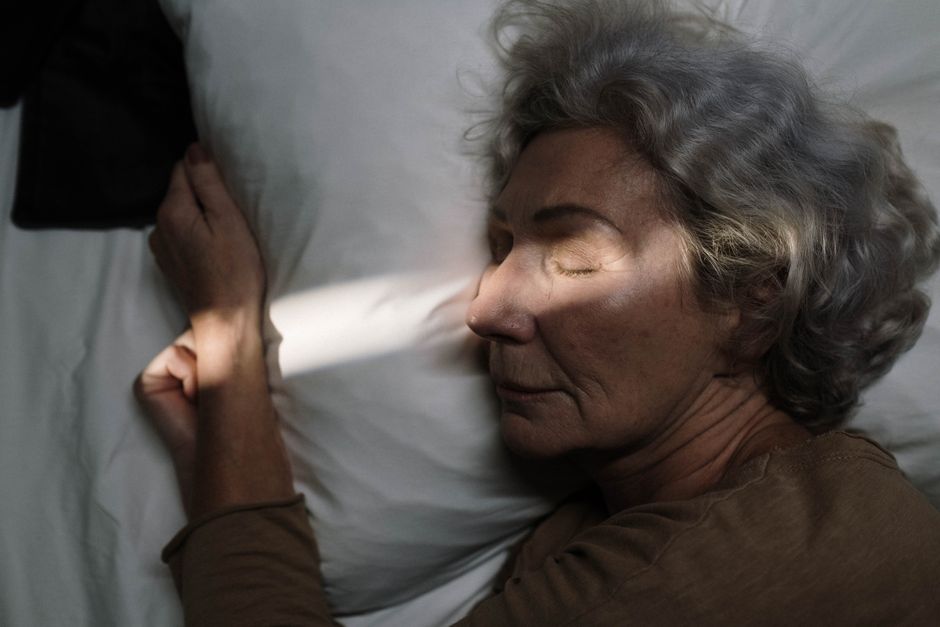
Waking up shaken by a nightmare is one of the most unsettling things the sleeping brain can do. Disturbing dreams happen when the brain’s emotional centers stay highly active during REM sleep while the logic and calm-down regions go quiet, so fear and threat feel vivid and real. They are common, they are not a sign of weakness, and for many people they can be reduced with a handful of evidence-based approaches.
Why Do I Have Disturbing Dreams And How To Stop Them?
Disturbing dreams are the product of normal sleep machinery running with the emotional volume turned up. During REM sleep, activity rises in the amygdala and related limbic regions, which handle fear and threat. At the same time, the prefrontal cortex — the part of the brain that reasons and puts things in perspective — is much less active. The result is intense imagery and emotion without the usual reality check.
This is why a dream can feel terrifying in the moment even when nothing is wrong. The brain is generating strong emotional content while the part that would normally say “this is not real” is largely offline.
What triggers more of these dreams varies. Common contributors include:
- Stress and unresolved worry. Emotional load during the day often shows up in dream content.
- Sleep disruption. Fragmented or shortened sleep can make REM periods more intense when they finally occur.
- Alcohol. Alcohol can suppress REM early in the night and cause a rebound of vivid, disturbing dreams later.
- Medications. Some antidepressants, blood pressure drugs, and others are linked to more vivid or disturbing dreams in certain people.
- Trauma. Recurrent nightmares are a recognized feature of post-traumatic stress disorder.
- Fever and illness. Being physically unwell can change sleep and dream intensity.
Occasional nightmares are not a medical problem. When they happen often, disrupt sleep, or cause daytime distress, they cross into something worth addressing. That is where the “how to stop them” part becomes practical rather than abstract.
What Is The Difference Between A Bad Dream And A Nightmare?
The difference is mainly about how you wake up and what it does to you afterward. A bad dream is unpleasant but does not necessarily wake you or leave lasting distress. A nightmare typically wakes you from REM sleep, is remembered clearly, and produces a strong emotional response — fear, anxiety, or a racing heart.
Nightmare disorder is a clinical diagnosis. It applies when nightmares are frequent, cause significant distress or problems with daily functioning, and are not explained by another condition or substance. Frequency alone does not define it. Impact does.
One clarification worth making: disturbing dreams are not the same as sleep terrors. Sleep terrors happen in non-REM sleep, usually earlier in the night, and the person often does not remember them and is hard to wake. Nightmares happen in REM sleep and are remembered. They are different events with different mechanisms.
When Should Disturbing Dreams Concern You?
Disturbing dreams deserve attention when they start affecting your waking life. The clearest signals are frequency, distress, and daytime consequences.
Consider talking to a doctor or mental health professional if:
- Nightmares happen often enough to disrupt your sleep most nights
- You avoid sleep because you dread the dreams
- You feel anxious, irritable, or exhausted during the day because of them
- They began or worsened after a traumatic event
- They started around the same time as a new medication
- They come with other symptoms such as loud snoring, gasping, or daytime sleepiness
That last point matters. Loud snoring, gasping during sleep, and heavy daytime sleepiness can point to sleep apnea, which is a separate and treatable condition. Nightmares are not a typical feature of sleep apnea, but disrupted sleep from any cause can intensify dream distress. If those symptoms are present, the sleep problem itself needs evaluation.





Can Stress And Trauma Cause Disturbing Dreams?
Yes, and this is one of the better-established links in sleep research. Stressful life events and trauma are strongly associated with more frequent and more intense nightmares. In post-traumatic stress disorder, nightmares that replay or echo the trauma are a core symptom.
The mechanism is not fully pinned down, but the leading explanation involves how the brain processes emotional memories during REM sleep. When that processing is disrupted or when the emotional charge is very high, the memory can resurface in dream form rather than being filed away.
This is why treating the underlying stress or trauma often reduces the nightmares — and why treating the nightmares directly can also reduce daytime distress. The two directions feed each other.
How Do You Stop Disturbing Dreams?
The most studied and effective approach for recurrent nightmares is called imagery rehearsal therapy. It is a structured technique, usually guided by a therapist, in which you rewrite a recurring nightmare while awake and then mentally rehearse the changed version. Research, including work on trauma-related nightmares, indicates it reduces nightmare frequency and distress for many people.
A related technique called lucid dreaming training is also studied. It teaches people to recognize they are dreaming and to change the dream from inside it. The evidence for lucid dreaming is more mixed than for imagery rehearsal therapy, but some studies suggest it can help.
Beyond therapy, general sleep improvements support everything else:
- Keep a consistent sleep schedule. Going to bed and waking at the same times helps stabilize REM sleep.
- Limit alcohol, especially in the evening. The REM rebound effect is real and well documented.
- Manage daytime stress. Relaxation practices, journaling, or talking things through can lower the emotional load that feeds dreams.
- Create a calm wind-down. Screens, arguments, and stressful tasks right before bed tend to carry into sleep.
- Review medications with your doctor. Do not stop any prescription on your own. Some drugs are linked to vivid dreams, and changes should be made with medical guidance.
One honest note on supplements and over-the-counter products marketed for “bad dreams”: no strong clinical evidence confirms that these work. If a product claims to stop nightmares, that claim is not backed by large human trials.
What Does Not Work For Nightmares?
Several popular ideas have weak or no supporting evidence. It helps to know which ones are more habit than help.
Simply “trying not to think about it” tends to backfire. Suppressing a thought can make it more likely to return, which is part of why avoidance makes nightmares worse over time.
Waking someone during a nightmare to “reset” their sleep is not a recognized treatment. It can fragment sleep and make things worse.
Most dream-interpretation systems that assign fixed meanings to symbols have no scientific basis for reducing nightmares. They may feel meaningful, but they are not a treatment.
What does have support is changing the dream content itself through structured rehearsal, and addressing the underlying sleep and emotional factors. That is where the evidence sits.
When Should You See A Doctor About Nightmares?
See a doctor or a mental health professional when nightmares are frequent, distressing, or interfering with your life. This is not a high bar — it is the point at which a clinical approach can genuinely help.
A clinician can check for contributing conditions, review medications, screen for sleep apnea and other sleep disorders, and refer you to a therapist trained in nightmare-focused treatment such as imagery rehearsal therapy. For trauma-related nightmares, treating the trauma is often central.
If nightmares come with thoughts of self-harm or severe distress, seek help promptly. That is a situation where waiting is not the right call.
Frequently Asked Questions
Why do I suddenly have disturbing dreams?
A sudden increase usually tracks with a change in stress, sleep, alcohol use, or medication. If it started around a new prescription or a difficult life event, that timing is worth mentioning to a doctor.
Are disturbing dreams a sign of a mental health condition?
Not by themselves. Occasional disturbing dreams are normal, but frequent nightmares are associated with conditions such as post-traumatic stress disorder, anxiety, and depression, so they can be a useful signal to discuss with a professional.
Can I stop nightmares without medication?
Yes, in many cases. Imagery rehearsal therapy is a structured, non-drug approach with the strongest evidence for reducing nightmare frequency and distress, and it is usually delivered by a trained therapist.
Does alcohol make nightmares worse?
It can. Alcohol suppresses REM sleep early in the night and often causes a rebound of vivid, disturbing dreams later, which is a well-documented effect.
